
Last updated November 4, 2026
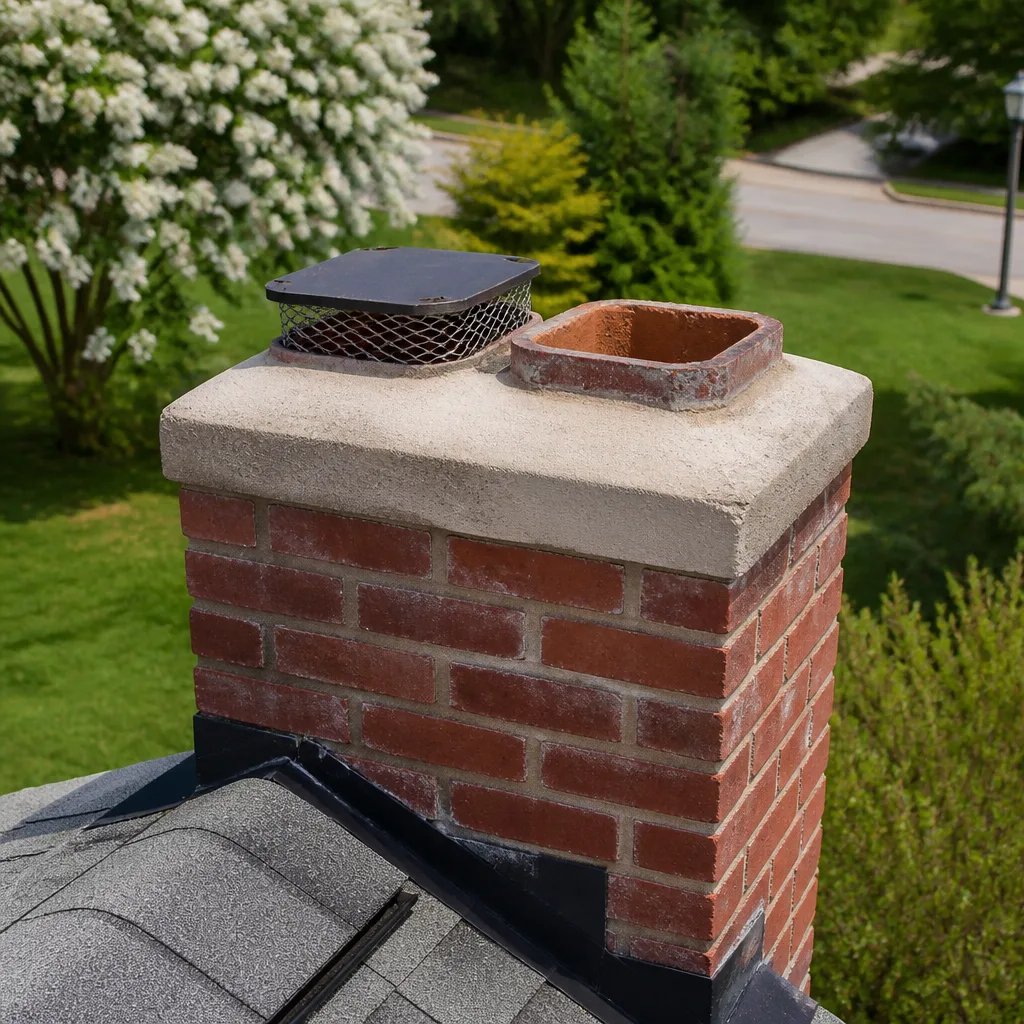 Sweep & inspection
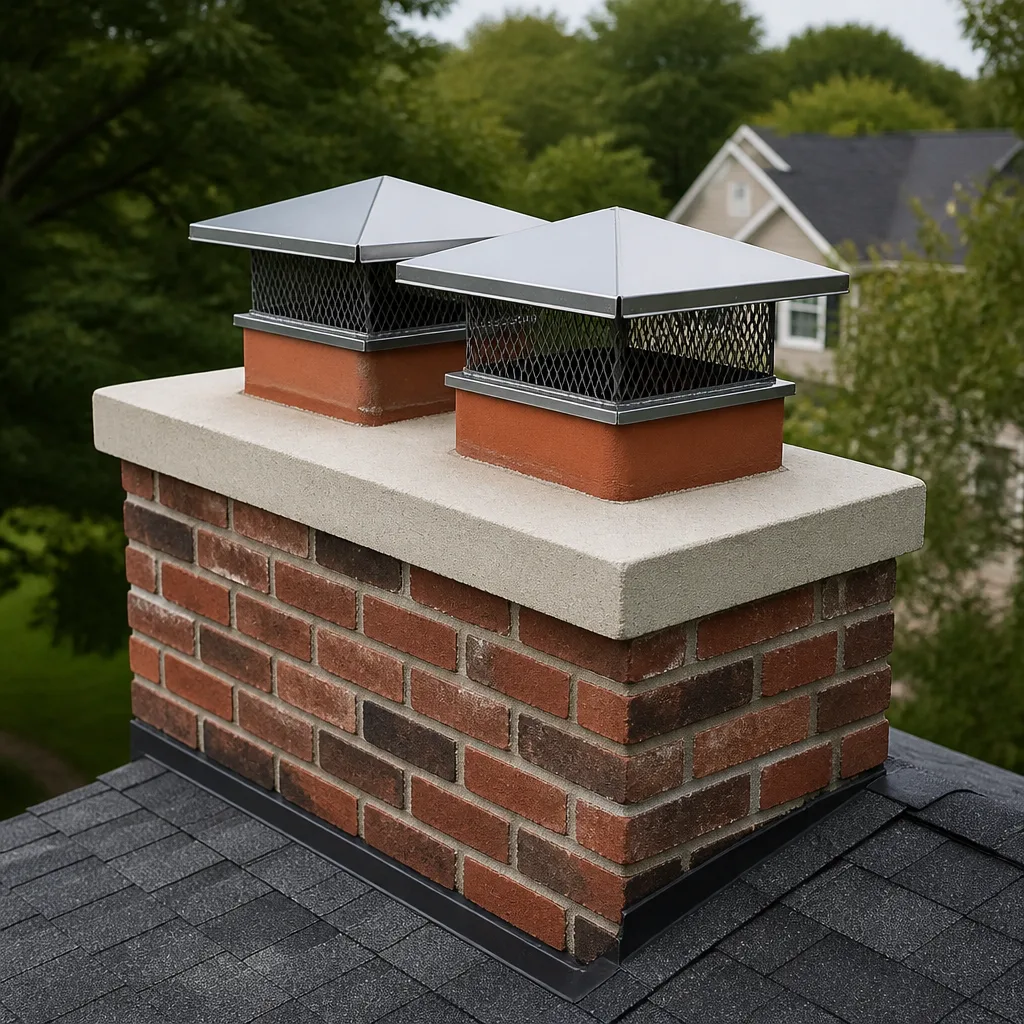 Caps & crowns
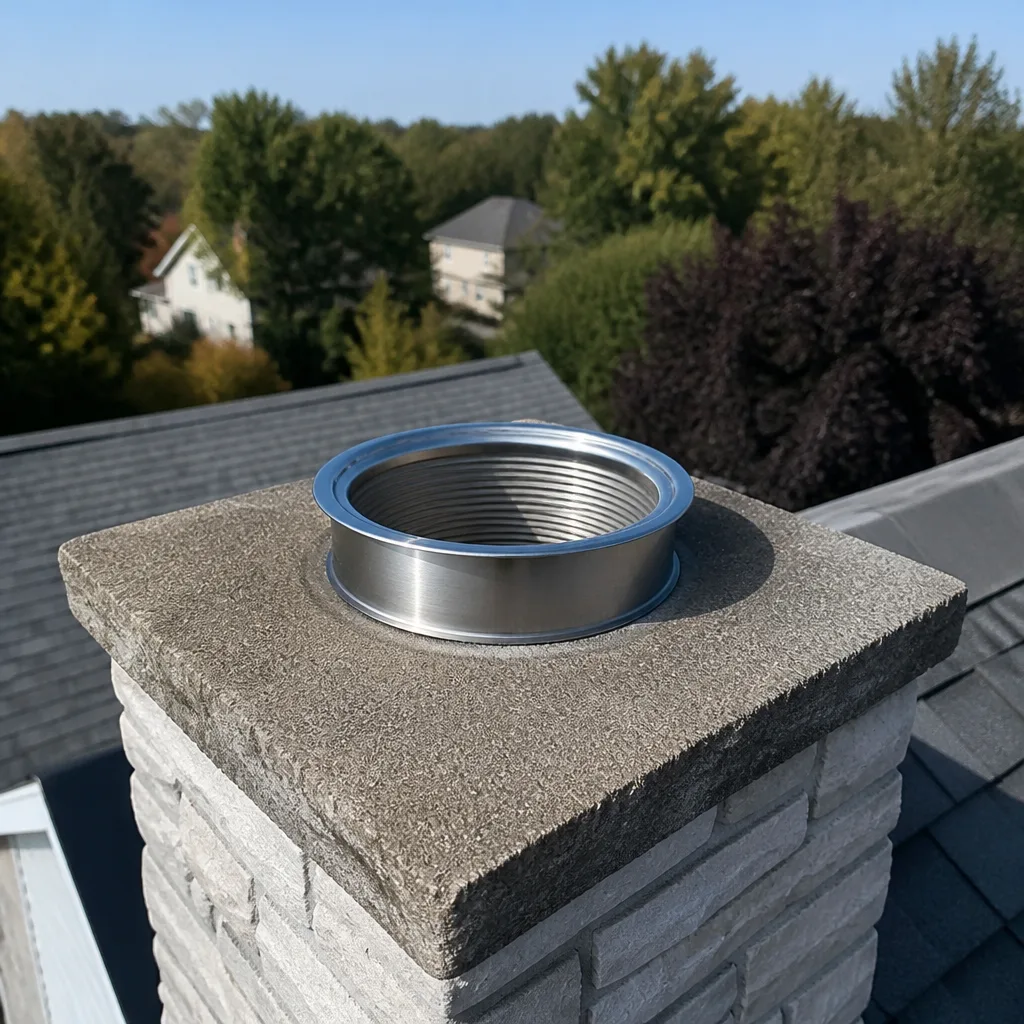 Flue relining
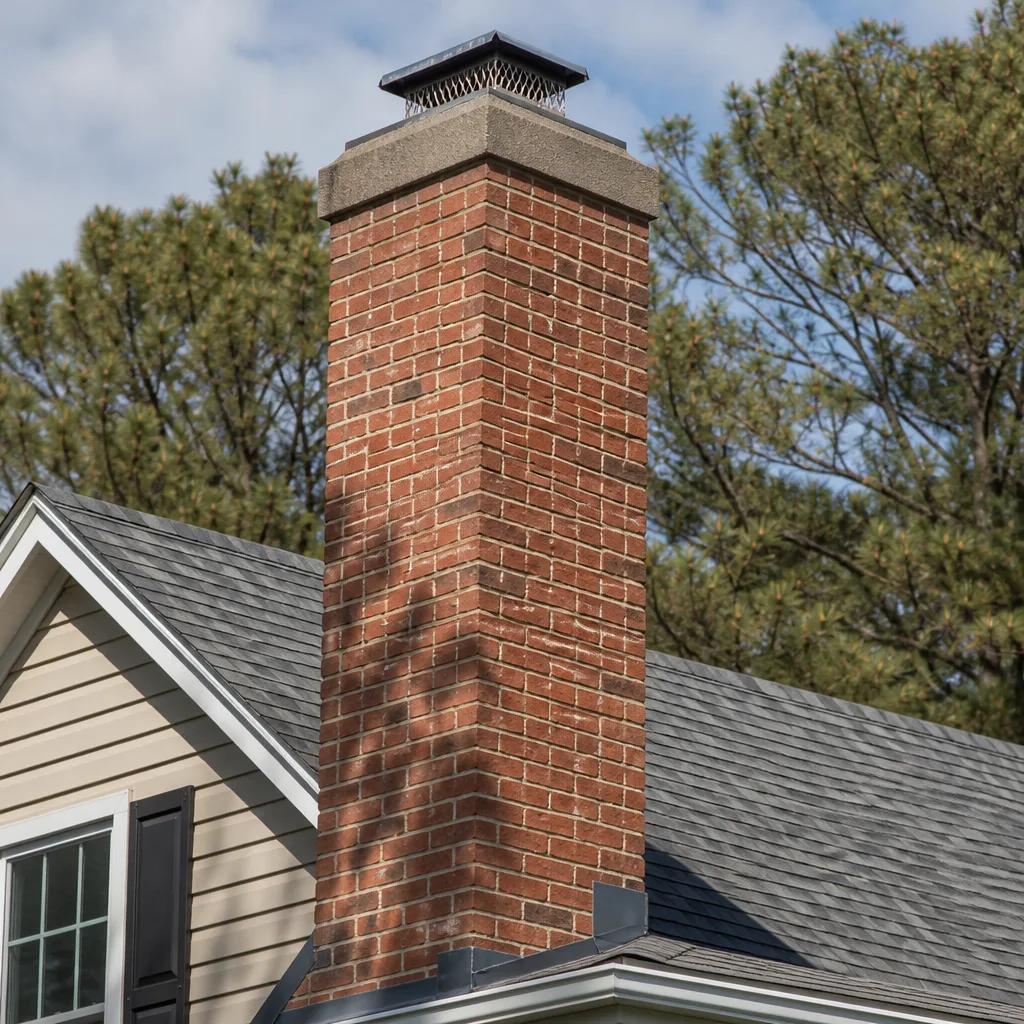 Masonry repair
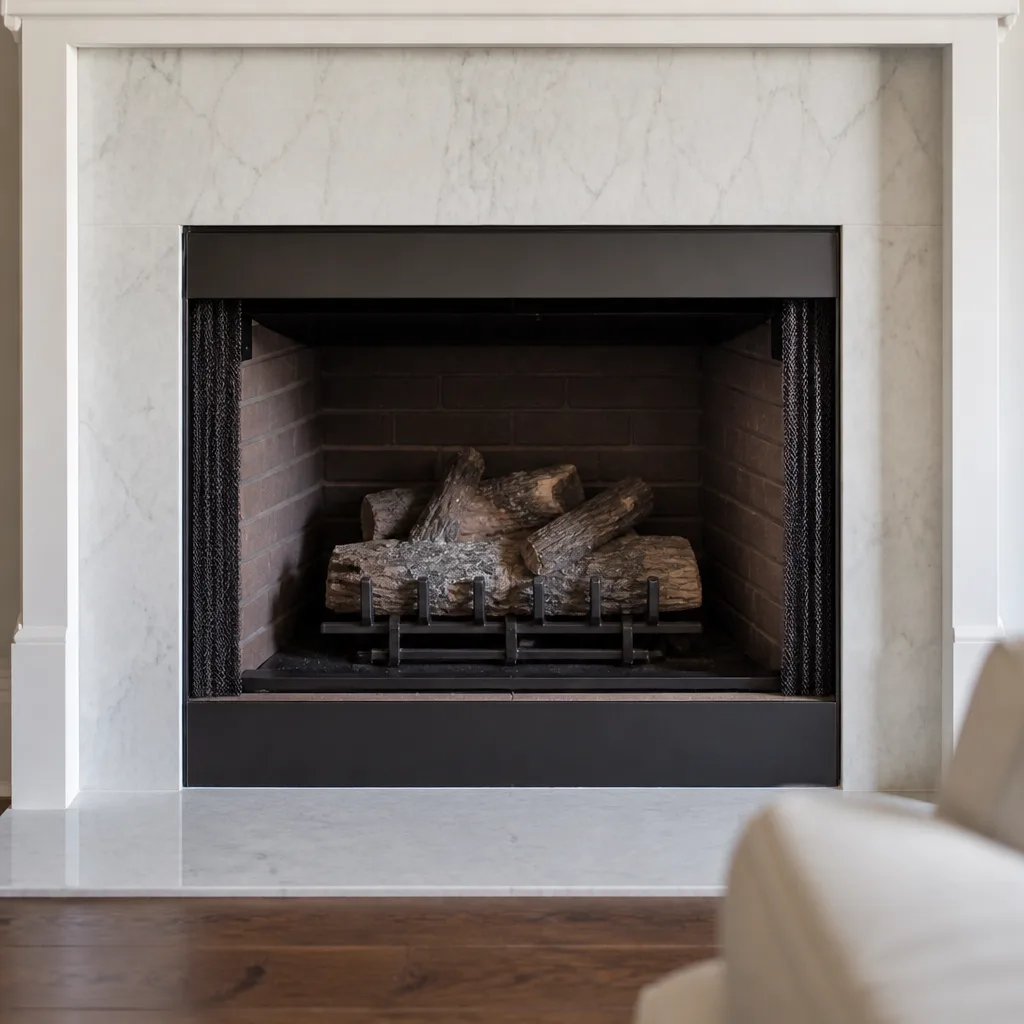 Gas fireplace service
Level 1 sweep and inspection to the NFPA 211 annual standard - flue, crown, cap, and flashing checked and photographed
Chimney sweep logs do not sweep chimneys. They loosen some creosote - which then falls where a brush and vacuum still have to collect it.
How to Hire a Chimney Cleaning Contractor in Lake Forest: A Step-by-Step Guide
Most homeowners assume anyone who shows up with brushes and a vacuum is qualified to clean a chimney. That assumption is why we see so many botched sweep jobs in Lake Forest, Orange County homes that were “cleaned” by a generalist handyman who never actually inspected the flue. This guide walks you through exactly what to screen for before anyone climbs onto your roof, what separates a certified chimney specialist from a jack-of-all-trades, and which questions will reveal the difference in under five minutes. By the time you finish reading, you’ll know how to spot a legitimate contractor, what a real inspection report looks like, and how to avoid the pricing trap that catches so many first-time customers.
Styles & brands we work with
- Sweep & inspection
- Caps & crowns
- Flue relining
- Masonry repair
- Gas fireplace service
Quick Answer
Start by verifying CSIA certification directly on the CSIA website, then confirm the contractor carries liability insurance that specifically covers chimney work, not just general handyman coverage. A legitimate chimney cleaning company in Lake Forest will inspect the full system, document findings with photos or written notes, and quote repairs only with evidence you can see for yourself. Call (833) 589-9146 for a free estimate from a chimney specialist that handles sweeping, repair, and dryer vent cleaning under one roof.
Table of Contents
- CSIA Certification vs. the Generalist Handyman: Why the Difference Matters
- Questions to Ask Before You Book: What Vague Answers Reveal
- What a Legitimate Inspection Report Should Include
- Red Flags in Pricing: Why Low Quotes in Lake Forest Often Bait-and-Switch
- How to Confirm Insurance Covers Chimney-Specific Work
- Lake Forest Market Factors: Older Construction and Local Code Awareness
- Materials and Product Lines: What Pros Actually Use
- Common Mistakes to Avoid
- When to Call a Professional
- Frequently Asked Questions
- The Bottom Line
CSIA Certification vs. the Generalist Handyman: Why the Difference Matters
The chimney industry has a real problem in Lake Forest, and it’s not dirty flues. It’s the number of uncredentialed operators who list chimney cleaning as one item on a long menu of unrelated services. A general contractor who also does painting, tile, and drywall can legally sweep your chimney in California. That doesn’t mean they should.
The Chimney Safety Institute of America (CSIA) is the recognized credentialing body for chimney technicians in the United States. A CSIA-certified sweep has passed written examinations covering fire codes, clearances, drafting principles, and inspection standards. They’ve demonstrated knowledge of how combustion systems actually work, not just how to run a brush through a flue. When someone holds this certification, it means they’ve invested real time in learning the trade as a discipline.
Here’s what actually separates a certified specialist from a generalist:
- System-level thinking. A certified sweep evaluates the chimney as a complete system: flue, crown, cap, damper, firebox, and clearance to combustibles. A generalist often cleans the visible surface and leaves.
- Inspection standards. CSIA training teaches a systematic inspection protocol that follows established industry criteria. Generalists typically don’t know what a Level 1 versus Level 2 inspection is.
- Repair recognition. A certified technician can spot deteriorating flue tiles, damaged mortar joints, and improper clearances during a routine sweep. The generalist doesn’t know what to look for, so problems go unreported until they become expensive or dangerous.
- Documentation habits. Professionals in the chimney trade document what they find because the liability demands it. Handymen often don’t, because they don’t carry chimney-specific liability coverage in the first place.
The verification step is brief: ask for the technician’s CSIA certification number, then confirm it on the CSIA website. It takes under a minute. We’ve been serving Lake Forest since 2015, and in our experience, the contractors who resist this question are the ones who don’t have a number to provide.
Look, a Chimney Sweep Lake Forest specialist doesn’t need to be CSIA-certified to do decent work, but certification is the clearest signal that the person understands the fire safety implications of what they’re doing. The chimney above your fireplace is connected to your living space. A missed crack or bad repair has consequences that a tile job never will.
Questions to Ask Before You Book: What Vague Answers Reveal
You don’t need to become a chimney expert to evaluate a contractor. You just need to ask the right questions and listen for specificity. Vague answers are the tell.
Here’s a numbered list of questions that reveal the difference between specialists and generalists in under ten minutes:
- “What inspection standards do you follow?” A specialist references established protocols like the NFPA 211 standards or CSIA inspection levels. A generalist says something like “we check everything” or “we look at the whole chimney.” Those aren’t standards. They’re filler.
- “What products do you use for chimney caps and covers?” A contractor who works with professional supply lines can name the brands they source. At our company, chimney cap and cover work is handled with Gelco products, which are purpose-built for chimney applications. If the answer is “whatever fits” or “standard caps,” that tells you parts are being improvised or sourced from a home center.
- “Do you handle relining in-house, or do you subcontract it?” Many sweeps will clean your chimney and then refer out any repair work they find. That means two companies, two schedules, and a gap between diagnosis and resolution. A full-service specialist handles the complete lifecycle, from chimney sweep through repair and relining, without passing you to someone else.
- “What does your written report include?” If they tell you they’ll give you a verbal summary, that’s a flag. A legitimate inspection produces documentation: photos, measurements, condition notes, and clearance observations. Verbal-only reporting is how contractors avoid accountability.
- “Can I see photos of anything you recommend repairing?” This is the single most important question. If the answer is anything other than yes, end the conversation. Camera documentation is standard practice for professional chimney work. A contractor who says no is asking you to trust a recommendation you can’t verify.
We use what the pros use, and that extends to the documentation tools, not just the brushes and vacuums. A dryer vent cleaning should also include photo documentation, because the entire point of that service is verifying the vent is actually clear when the job is done.
What a Legitimate Inspection Report Should Include
Most homeowners have never seen a professional chimney inspection report, so they don’t know what to expect. That’s reasonable. But it also means they can’t tell the difference between a real assessment and a verbal pat on the back followed by a scare quote.
A legitimate written inspection report includes the following elements:
- Flue condition assessment. The interior of the flue should be described in specific terms: intact, cracked, spalled, or deteriorating. Deteriorating clay tiles are the most common repair trigger in older Southern California homes, because the heat cycling of regular fireplace use degrades the tile surface over time.
- Creosote classification. Creosote is typically described in degrees: first, second, or third. A report that just says “dirty” without classification isn’t giving you useful information about the level of fire risk.
- Clearance documentation. The inspector should note whether visible clearances to combustibles meet current standards. This matters in Lake Forest because many homes in the area were built before modern clearance requirements were codified.
- Damper and cap condition. The damper should open, close, and seal properly. The chimney cap should be intact and properly sized. Missing or damaged caps are a common entry point for debris and animals.
- Crown and mortar assessment. The chimney crown sheds water away from the flue. Cracked crowns and deteriorating mortar joints are structural issues, not cosmetic ones.
- Photo documentation. Every finding should be backed by images. At minimum, you should see photos of the flue interior, the cap, and any areas recommended for repair.
Here’s the thing about documentation: it protects you, but it also protects the contractor. When recommendations are documented with photos, there is a clear record of what was observed and when. If a contractor offers you a verbal quote for repair work with no photos and no written findings, you have no way to get a second opinion on the actual condition of your chimney. You’re being asked to trust a complete stranger about a fire safety system in your home.
In our experience as a chimney company working in Lake Forest, the homeowners who get the best outcomes are the ones who insist on seeing the evidence before approving any repair. That’s not unreasonable. It’s basic due diligence for something attached to your house and connected to your living room.
Red Flags in Pricing: Why Low Quotes in Lake Forest Often Bait-and-Switch
The pricing conversation is where homeowners get hurt most often. Here’s how the pattern typically works: a contractor advertises a chimney cleaning at a price that seems too good to be true, sometimes under $50. Once they’re on the roof or in the firebox, they “discover” problems that require immediate attention. The cleaning was never the real product. The repair quote was.
This isn’t a universal scheme, but it’s common enough that you should understand the economics. A proper chimney sweep requires specialized equipment: a rotary cleaning system, a high-powered vacuum with HEPA filtration, inspection cameras, drop cloths, and protective gear. The technician needs training and, ideally, certification. A company that charges $39 for all of this is either losing money on the job or planning to make it up another way.
Here are the specific red flags to watch for:
- Suspiciously low advertised prices. In the Orange County market, a routine chimney sweep is not a $39 job. Prices that far below market usually indicate either minimal service or an upsell strategy.
- Vague repair urgency. A legitimate contractor can explain what condition they found and let you decide how quickly to address it. A bait-and-switch operator creates false urgency: “This is dangerous, you need this fixed today.”
- No written estimate for repairs. If repair recommendations come with a verbal number but no written scope of work, you should be concerned. A legitimate estimate describes the problem, the proposed solution, and the materials involved.
- Refusal to provide photos. We covered this above, but it’s worth repeating because it’s the most common complaint pattern in the chimney industry. No photos, no proof.
- Pressure to approve work immediately. A professional can explain findings and let you think about it. A salesperson creates a closing environment on your roof.
Our approach at Chimney Sweep Lake Forest is straightforward: the estimate is free, the price is set per job by the written estimate, and nothing gets recommended without camera evidence you can see for yourself. If work can safely wait, we say so plainly. That’s how a professional chimney company should operate in any market, including Orange County.
How to Confirm Insurance Covers Chimney-Specific Work
Here’s a question almost nobody asks: “Does your liability insurance specifically cover chimney work?” It should be one of the first things you verify.
Most handymen carry a basic general liability policy. That policy covers the business against claims arising from their operations, but the policy’s scope may not anticipate chimney-specific risks. A chimney fire caused by incomplete creosote removal is a damage scenario that a general handyman policy may not clearly address. The insurance company could argue that the work fell outside the covered operations.
What you should ask for:
- Confirmation of chimney and venting work in the policy description. A specialist should carry coverage that specifically contemplates chimney sweeping, inspection, and repair.
- Proof of workers’ compensation. Chimney work happens on roofs and ladders. If a worker is injured on your property and the company doesn’t carry workers’ comp, you could face a claim.
- The policy number and carrier name. Legitimate contractors provide this readily. You can verify coverage with a quick call to the insurer.
This matters in Lake Forest because so many homes here have second-story chimneys accessible only by ladder or roof. The work is physically demanding and carries real fall risk. A contractor who has never thought about their insurance scope is a contractor who has never thought about what happens when something goes wrong on your property.
We carry insurance that covers chimney and venting work specifically, and we’re happy to show it. Any legitimate chimney specialist should respond the same way.
Lake Forest Market Factors: Older Construction and Local Code Awareness
Lake Forest has a housing stock that spans several decades. Many homes in older communities like the Lake Forest area neighborhoods were built when fireplace designs and chimney clearances were governed by far less rigorous standards than today’s codes. That means a chimney that was “fine” when the house was built may not meet current safety expectations.
A contractor who works regularly in Lake Forest should understand this. They should be familiar with the typical chimney configurations in the area’s housing stock, from masonry fireplaces in established communities to prefabricated systems in newer construction. They should know that Orange County’s mild winters mean chimneys often go unused for months at a time, which creates conditions for debris accumulation and animal nesting.
The practical takeaway: local knowledge matters. A technician who primarily works new construction in a different region won’t have the same feel for the aging patterns of Lake Forest chimneys as someone who works here consistently. The Lake Forest market has its own rhythms, and a good contractor knows them.
One more local note: because winters are mild, homeowners sometimes rationalize skipping annual inspections. The thinking goes, “We barely use the fireplace, so it probably doesn’t need cleaning.” That’s a mistake, but a common one. Infrequent use doesn’t prevent creosote accumulation from prior seasons, and it doesn’t prevent animals, debris, or structural deterioration. We’ll return to this in the FAQ section.
Materials and Product Lines: What Pros Actually Use
Here’s a screening method most homeowners never think to apply: ask about product lines. The materials a contractor uses reveal whether they’re operating at a professional level or improvising with home center parts.
A chimney specialist working with professional supply chains can name the brands they source. At Chimney Sweep Lake Forest, we install and work with professional-grade liner systems and chimney resurfacing products, the same materials used by certified chimney contractors, not big-box substitutes. Specifically:
- HeatShield for chimney resurfacing. HeatShield is a cerfified chimney resurfacing system used to restore deteriorating flue tiles without a full rebuild. It’s a repair approach that many homeowners don’t know exists, which means they sometimes get quoted for complete chimney replacements when a resurfacing would solve the problem.
- Gelco for caps and covers. A chimney cap is not a generic part. It needs to fit properly and withstand constant exposure. Gelco manufactures chimney-specific products, and that matters for longevity.
- Olympia Chimney and Copperfield supply lines. Access to established industry suppliers means we can source the right parts when repairs require them. A homeowner isn’t waiting for someone to figure out where to buy chimney components.
What this means for hiring: when a contractor can’t name a single product line or supplier they work with, that’s a signal. They’re either buying generic parts as needed or they don’t do enough volume to have established relationships. Neither is a good sign for the quality of your outcome.
Professional-grade materials, residential pricing. That’s the positioning a specialist should offer, and it’s what we aim to deliver on every job.
Common Mistakes to Avoid
- Hiring based on price alone. The cheapest quote in Lake Forest is often the most expensive outcome. Low-ball pricing in this market frequently involves either minimal service or an aggressive repair upsell once the contractor is on site.
- Skipping the certification check. Ninety seconds on the CSIA website can save you from hiring someone who learned chimney work from a YouTube video. The verification is quick, but most homeowners skip it.
- Accepting verbal-only inspection findings. If there’s no written report, there’s no accountability. A verbal summary disappears the moment the contractor drives away.
- Approving repairs without photos. You would never approve dental work without an X-ray. Chimney repairs are no different. Camera evidence is standard practice in professional chimney work, and its absence is a red flag.
- Assuming a generalist knows chimneys. A contractor who does twenty different trades is unlikely to have deep knowledge of any single one. Chimney work involves fire safety, and that’s a discipline worth taking seriously.
- Neglecting the dryer vent. Many homeowners don’t connect dryer vent cleaning with chimney work, but the fire risk is significant. Lint accumulation is a leading cause of dryer fires, and a specialist should address it as part of the same safety conversation.
- Waiting until the fireplace smokes before calling. By the time you notice a problem, the underlying condition may have been developing for years. Annual inspection catches issues before they become visible symptoms.
When to Call a Professional
You should schedule a professional chimney inspection and cleaning if any of these apply: you’ve recently purchased a home with a fireplace or wood stove and don’t know its service history; you use your fireplace regularly during the cooler months and it’s been more than a year since the last sweep; you’ve noticed a smell coming from the fireplace, especially during warm weather; you’ve seen animals or nesting material near the chimney; or you’ve experienced any change in how the fireplace draws or burns. None of these are situations where you should wait. Chimney Sweep Lake Forest offers free estimates in Lake Forest, call (833) 589-9146. We answer 24/7. Fast dispatch from 7am to 7pm, Sunday through Friday.
Frequently Asked Questions
A routine chimney sweep in Lake Forest typically costs between $150 and $350, depending on the chimney’s condition, accessibility, and whether any repairs were identified during the previous inspection. The written estimate sets the final price, and you should receive that before any work begins. Call (833) 589-9146 for an exact quote, and remember that estimates are free.
The National Fire Protection Association recommends annual inspection of chimneys, fireplaces, and vents, with cleaning performed when creosote accumulation reaches a level that poses a fire risk, regardless of how recently the last cleaning occurred. For most Lake Forest homeowners who use their fireplace regularly during the cooler months, that means an annual sweep. Call (833) 589-9146 to schedule yours, and we’ll tell you if cleaning is actually needed after inspecting the flue.
You can, but we don’t recommend it. Professional chimney cleaning requires equipment that most homeowners don’t own, and more importantly, it requires a trained eye to identify structural issues, clearance problems, and early-stage deterioration that a DIY cleaning would miss. The brush work is straightforward; the inspection is the value. Call (833) 589-9146 for a professional sweep with full inspection documentation.
Not necessarily. Many chimney liners that appear damaged can be restored using HeatShield resurfacing, a process that repairs deteriorating flue tiles without a full rebuild. Before approving any liner replacement, insist on camera inspection photos and ask whether resurfacing is an option. We’re happy to evaluate your chimney and explain all the options honestly. Call (833) 589-9146.
A Level 1 inspection is the standard annual check performed when the chimney system hasn’t changed since the last inspection. A Level 2 inspection is more comprehensive and is required when the property is being sold, the system has been altered, or an event like a chimney fire has occurred. A Level 2 includes accessible areas of the attic, crawlspace, and roof. A professional contractor will tell you which level applies to your situation. Call (833) 589-9146 and we’ll help you determine what you need.
Yes. Gas fireplaces produce different combustion byproducts than wood-burning units, but they still require inspection and cleaning. Gas logs can produce acidic condensation that degrades chimney components over time, and venting problems can create carbon monoxide risk. The inspection protocols are similar even though the cleaning process differs. Call (833) 589-9146 to schedule gas fireplace service.
The Bottom Line
Hiring a chimney contractor in Lake Forest comes down to verification, documentation, and specific knowledge. Verify certification and insurance before anyone arrives. Demand written documentation and camera evidence for every recommendation. Ask about product lines and supply chains, because the answers reveal whether you’re dealing with a specialist or a generalist. The cheapest quote is rarely the best outcome, and the contractor who can’t answer your questions clearly is a contractor you shouldn’t trust with a fire safety system. One specialist for the whole job means sweeping, inspection, repair, and dryer vent work without bouncing between companies. That’s the standard Chimney Sweep Lake Forest holds ourselves to, and it’s the standard you should expect from anyone you hire.
Written by the team at Chimney Sweep Lake Forest, serving Lake Forest since 2015.
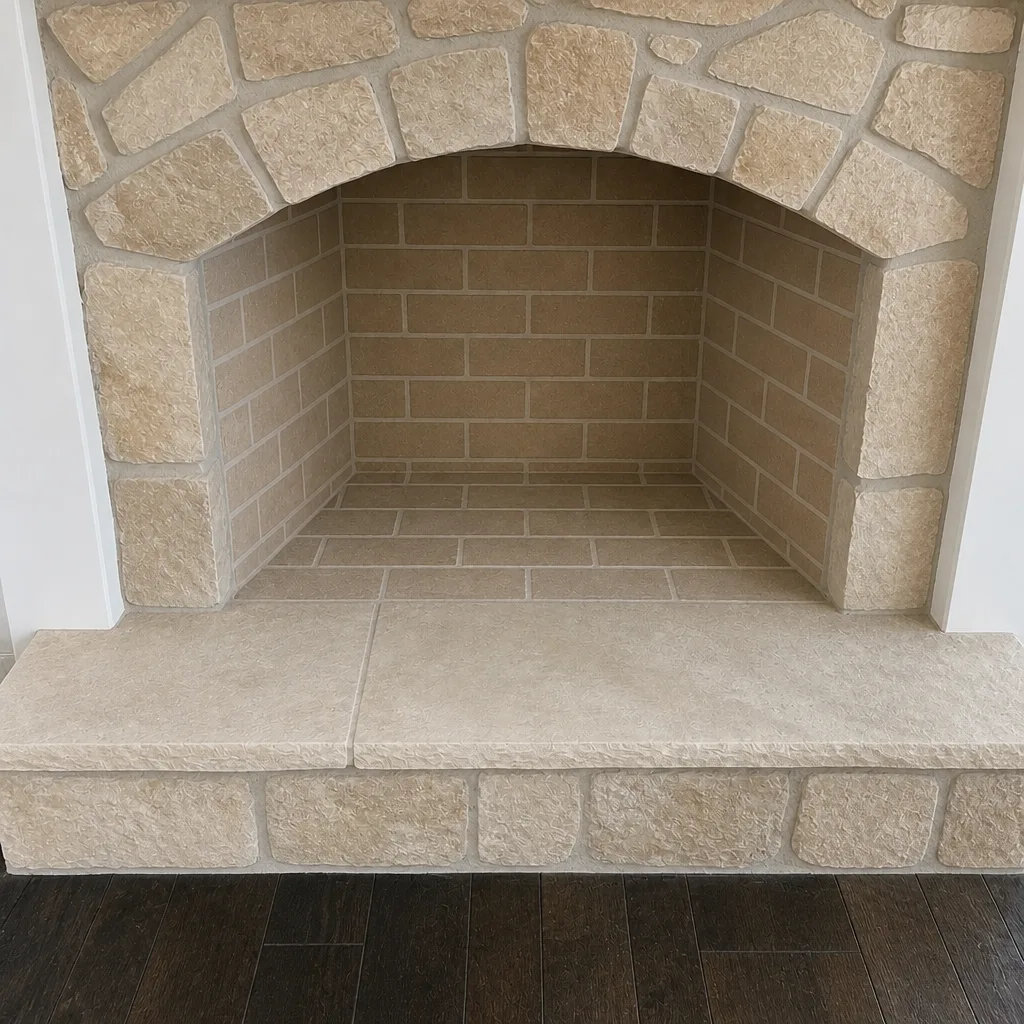
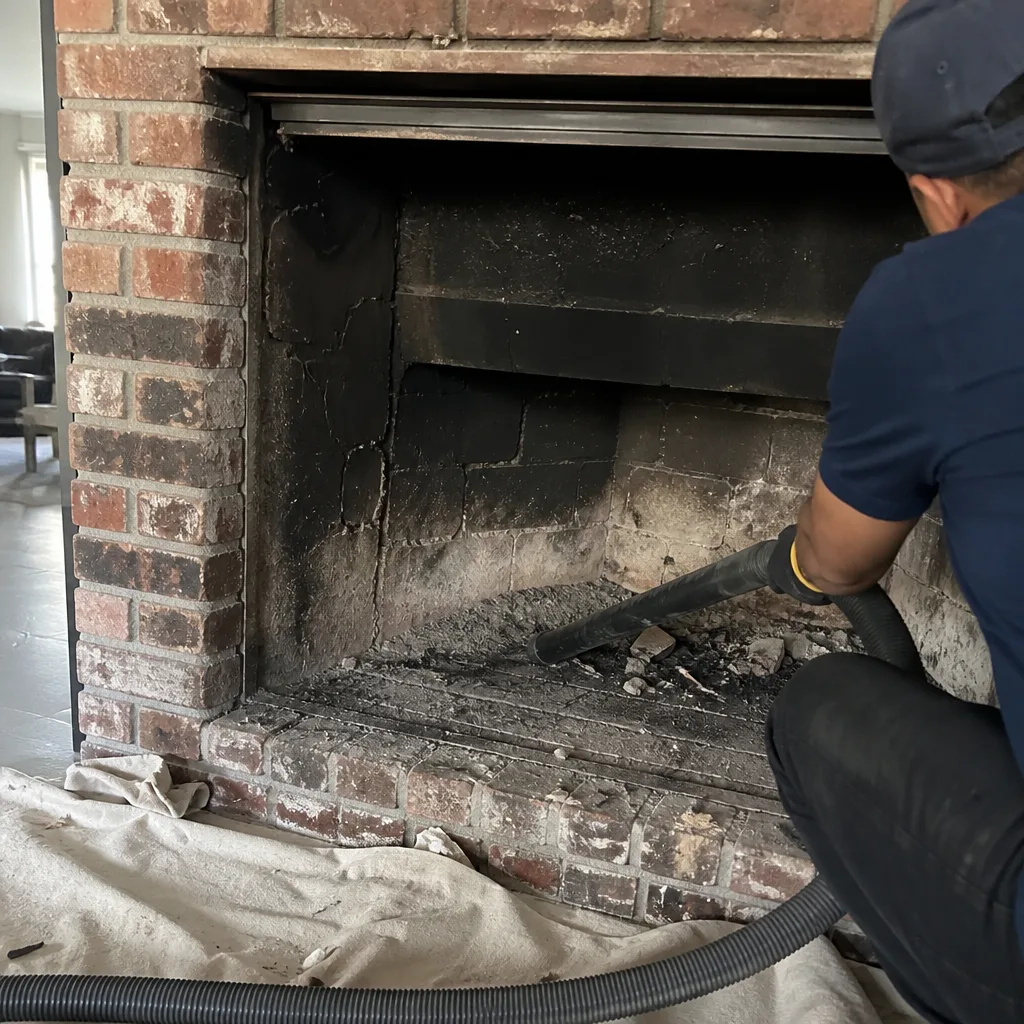
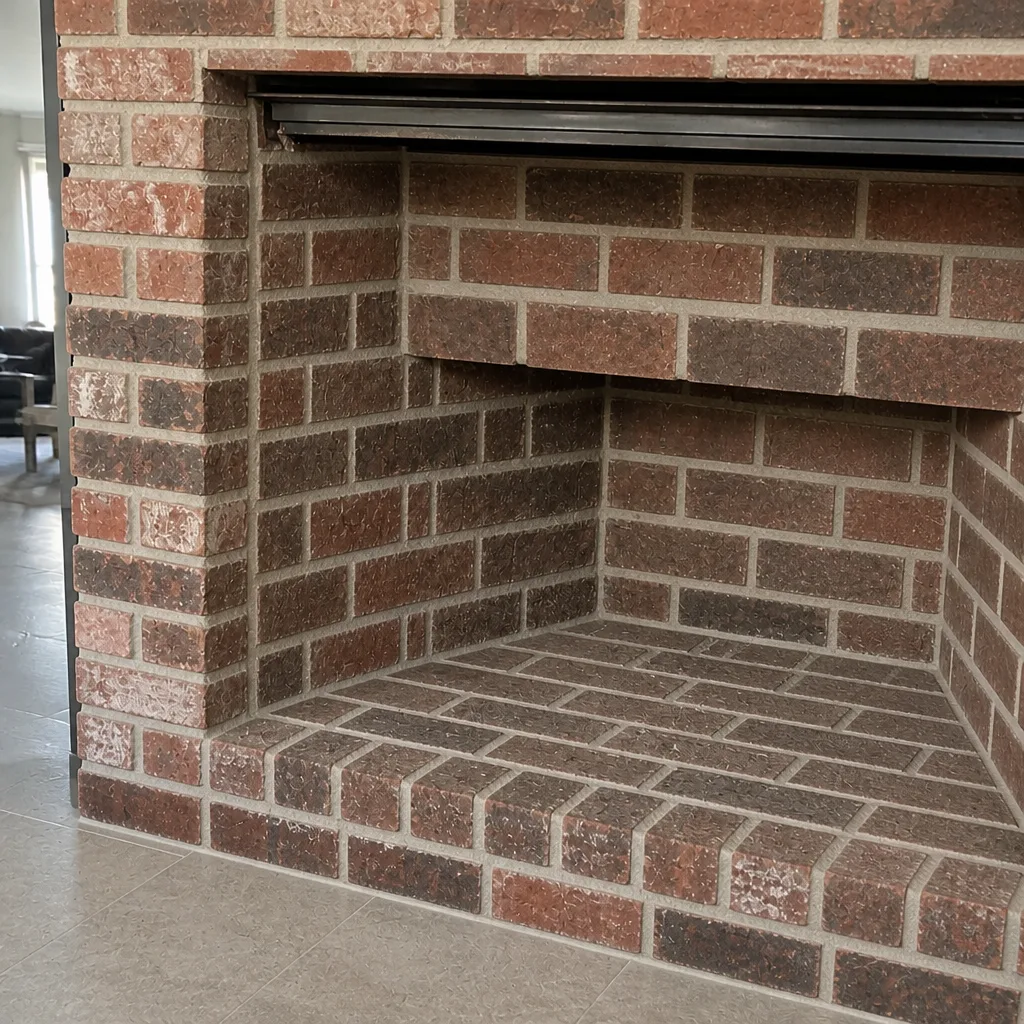
See the difference
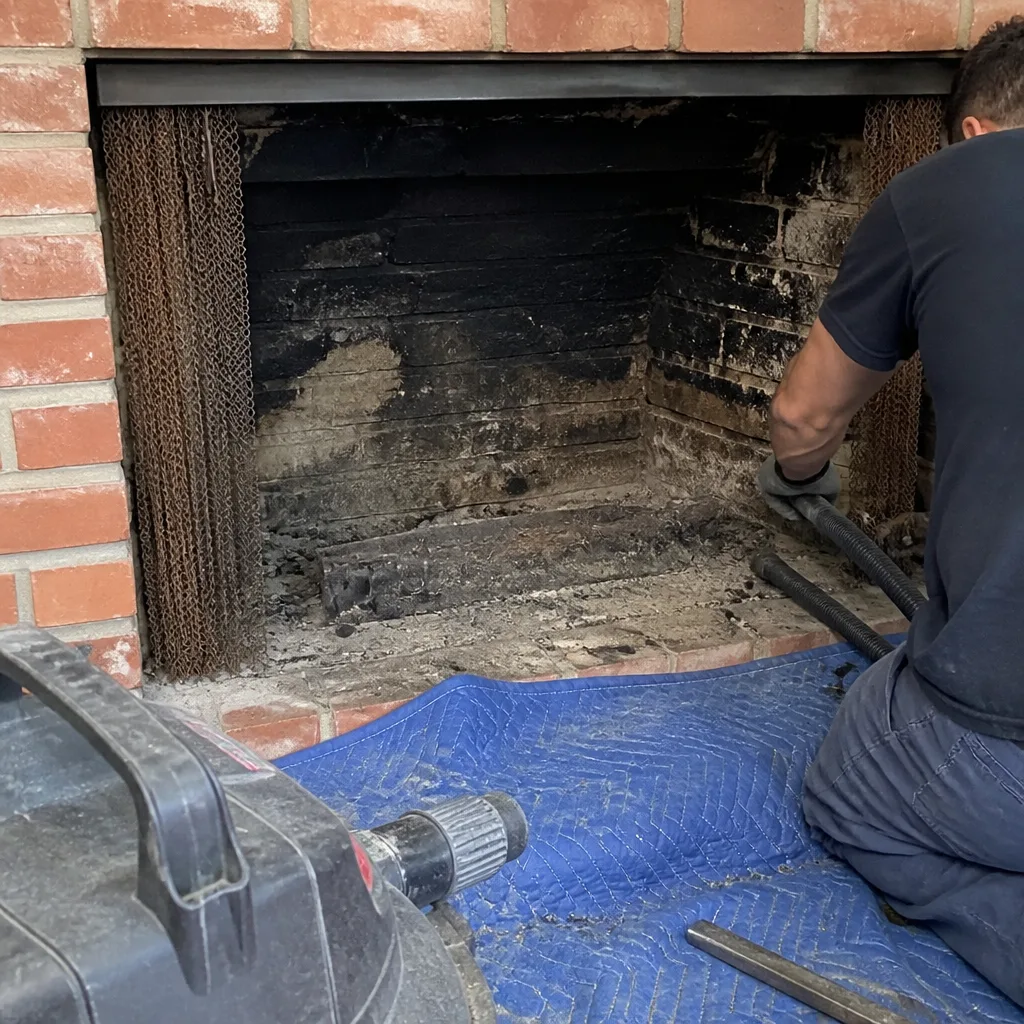 Before
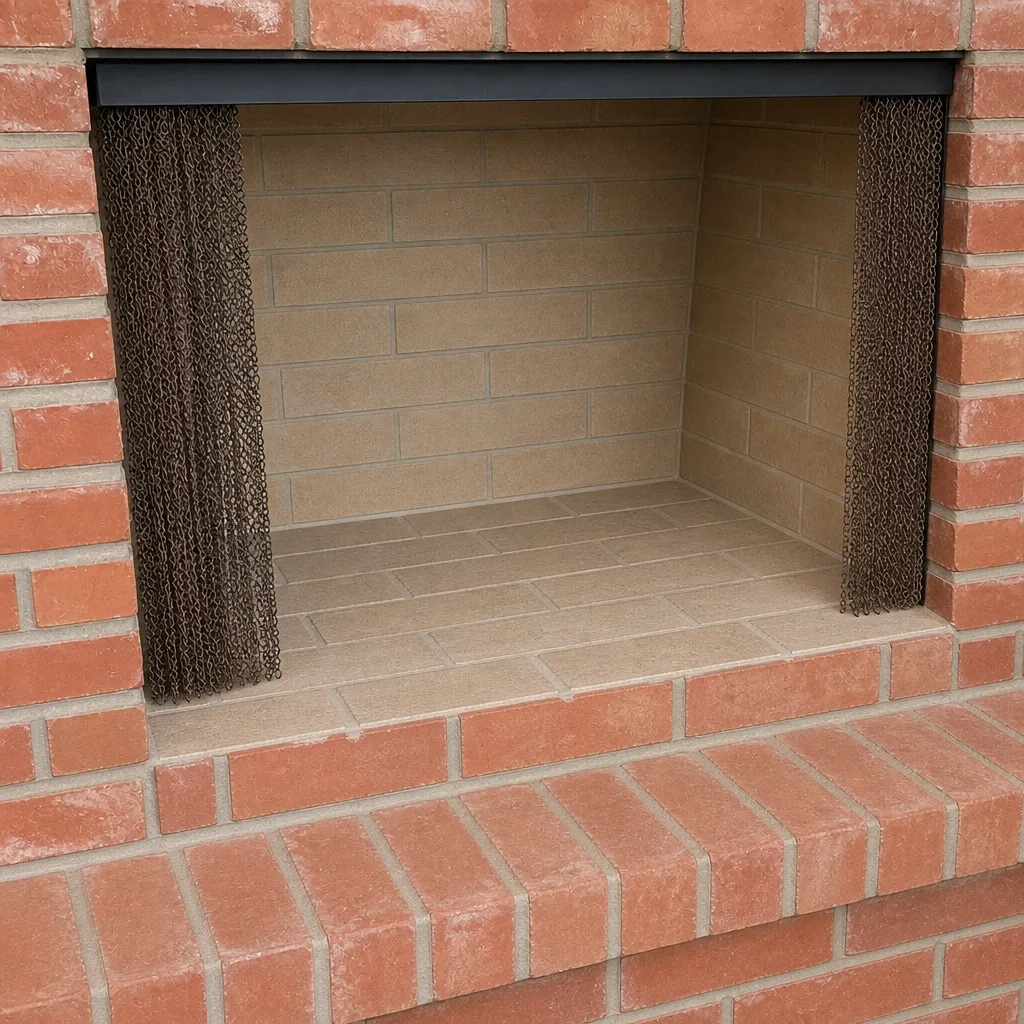 After
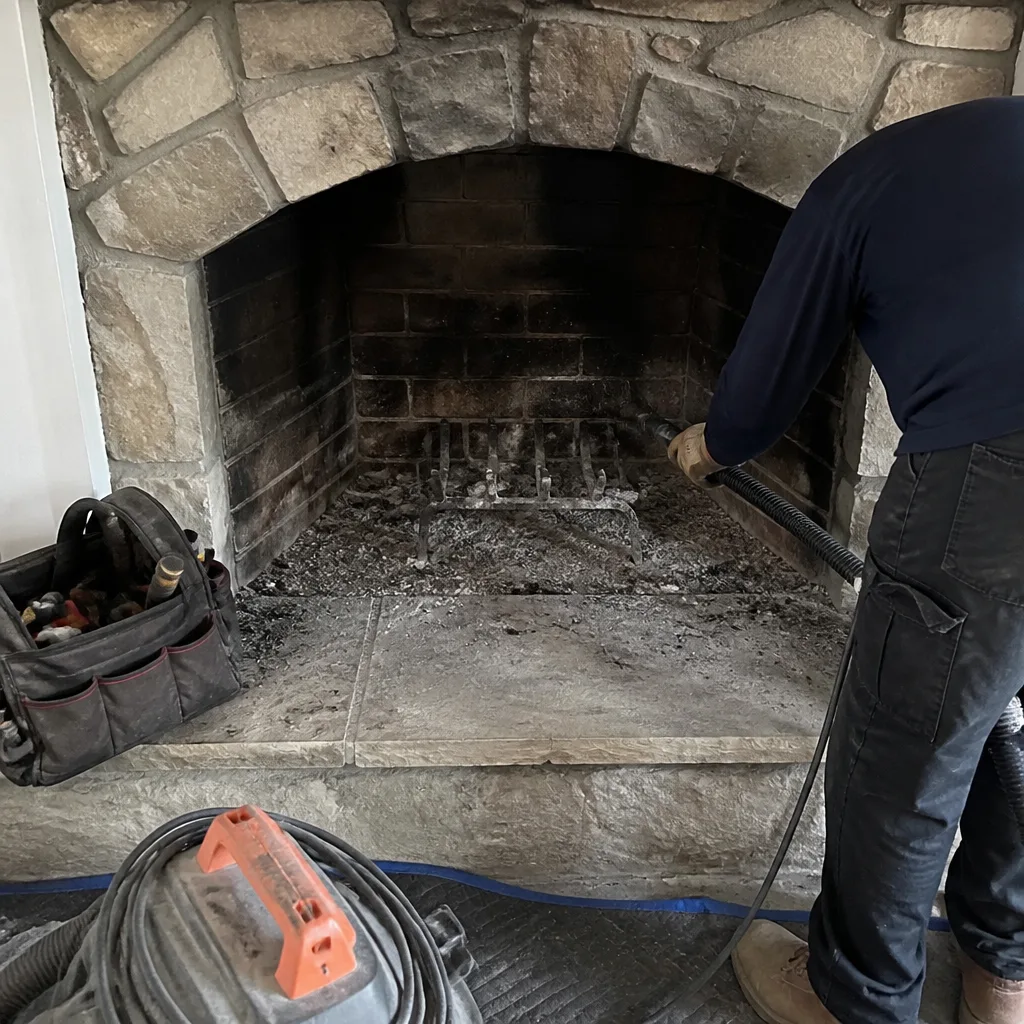 Before
 After
 Before
 After