
Last updated November 4, 2026
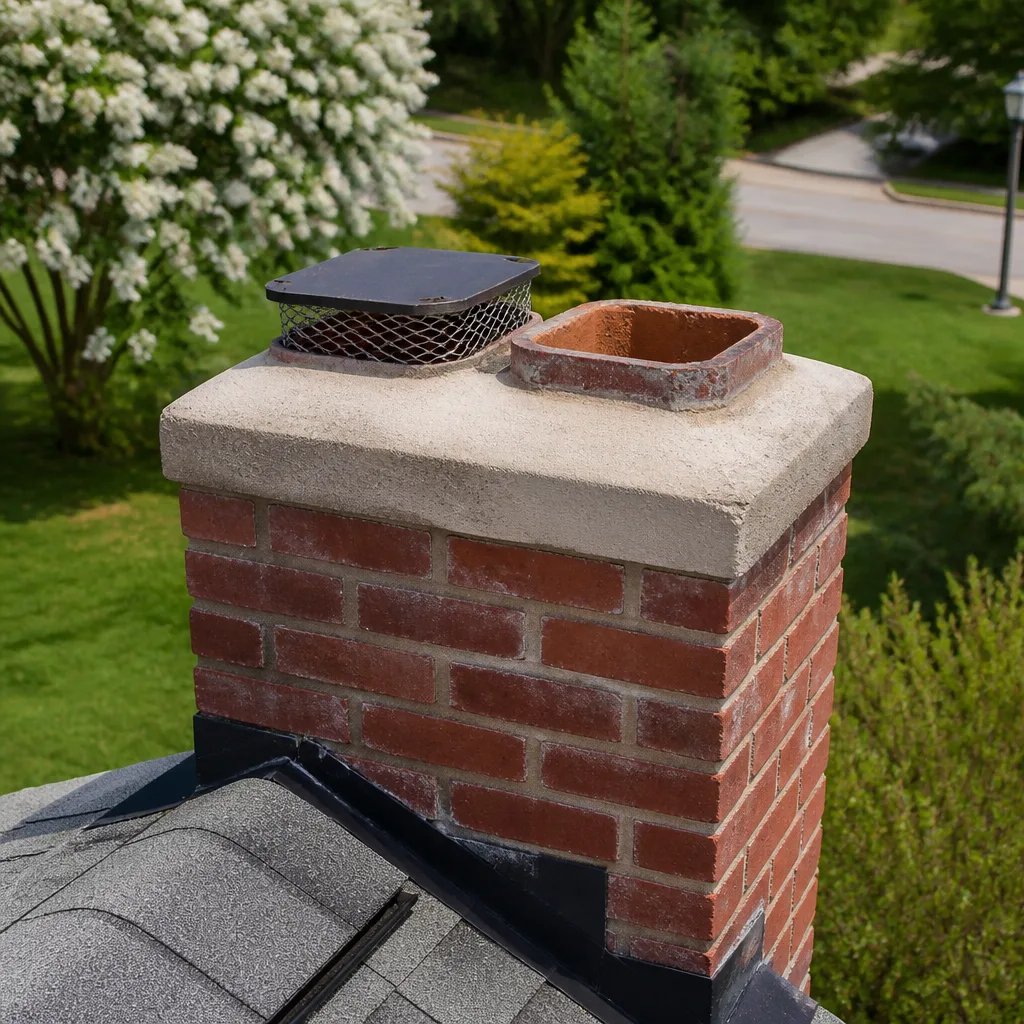 Sweep & inspection
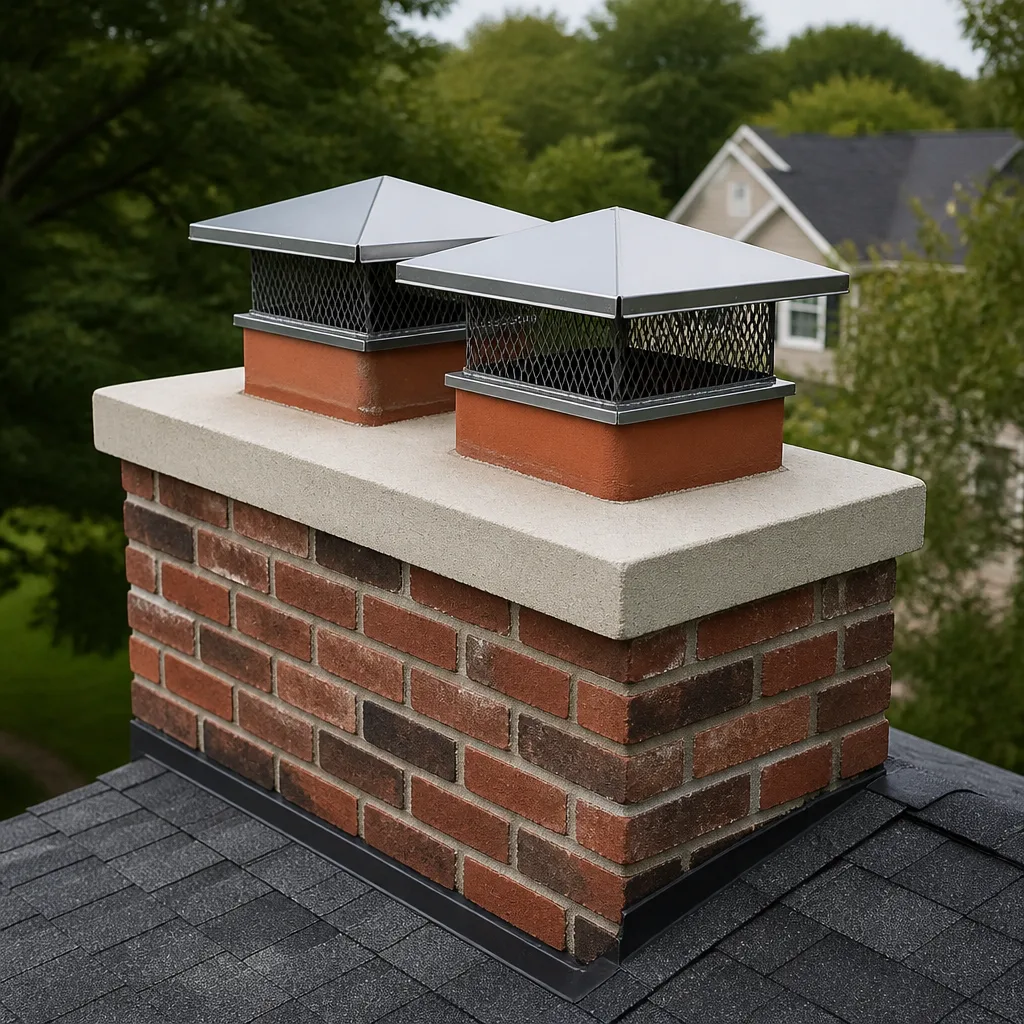 Caps & crowns
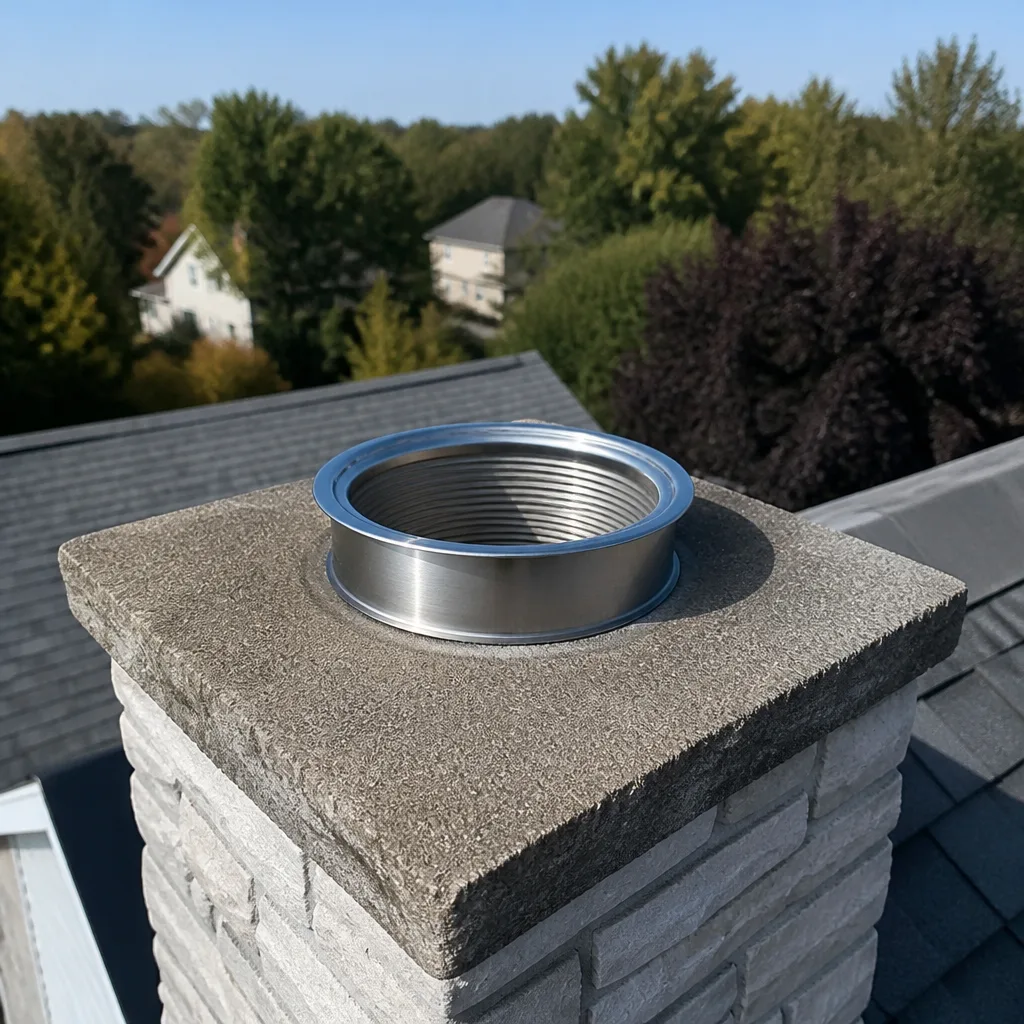 Flue relining
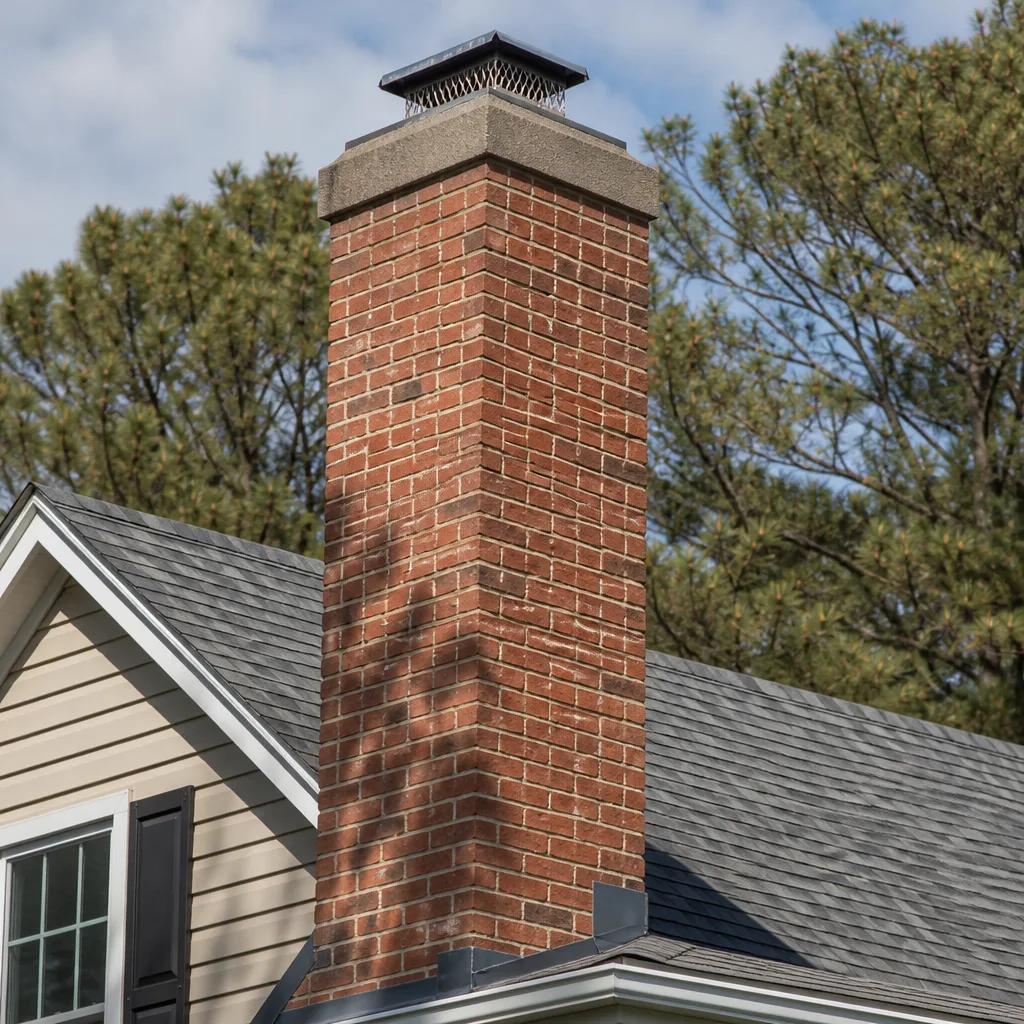 Masonry repair
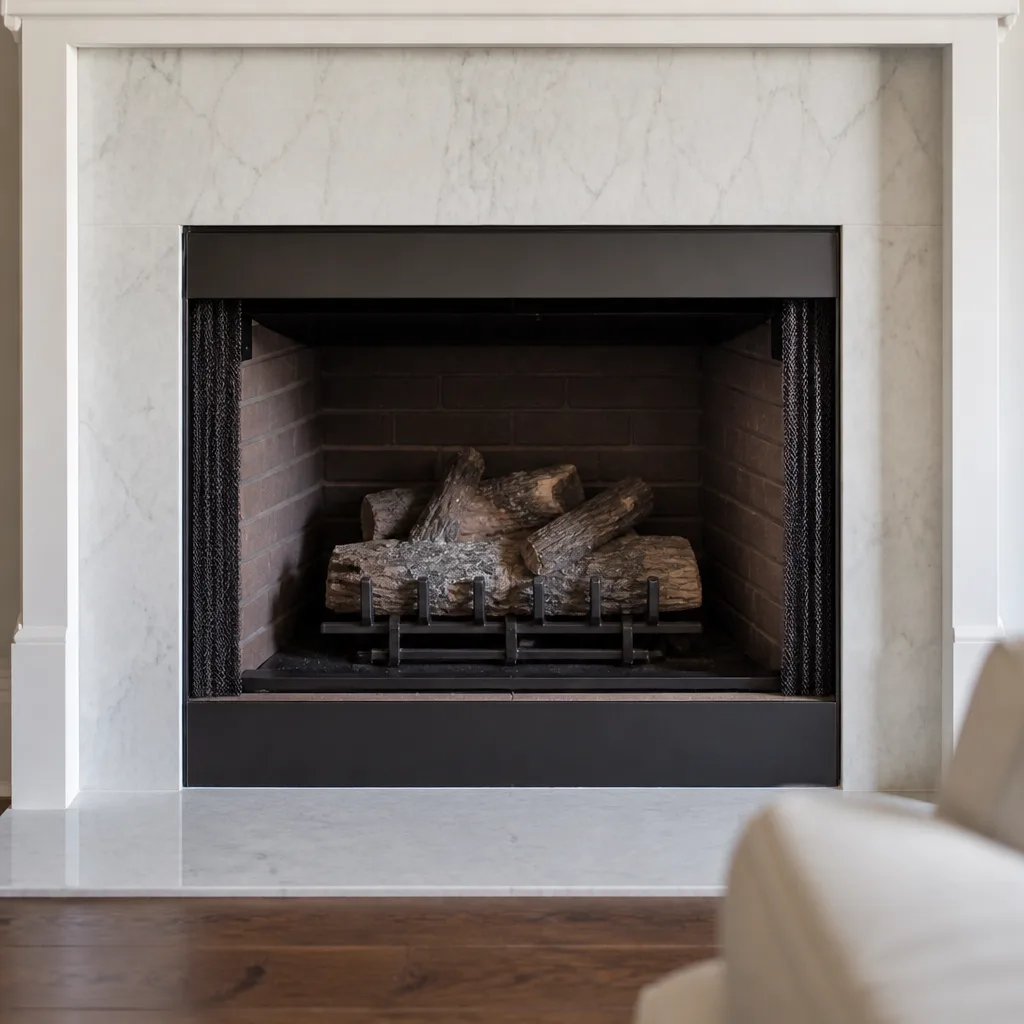 Gas fireplace service
Level 1 sweep and inspection to the NFPA 211 annual standard - flue, crown, cap, and flashing checked and photographed
Chimney sweep logs do not sweep chimneys. They loosen some creosote - which then falls where a brush and vacuum still have to collect it.
Chimney Cleaning Emergency Preparedness Guide for Lake Forest Homes
Most Lake Forest homeowners think of chimney fires as a cold-climate problem, something that happens in snowy mountain towns where stoves run all winter. The reality is different. In Orange County’s mild climate, fireplaces get used in concentrated bursts between November and February, and that’s often after months of sitting dormant. Creosote has had time to harden, birds may have built nests, and the system hasn’t been checked. This guide gives you a clear, practical framework for preventing chimney emergencies before your first fire of the season, recognizing one if it happens, and knowing exactly what to do in the critical first minutes. We’ll cover the specific fire risks Lake Forest homes face, what a chimney fire actually sounds and smells like, when to call 911 versus when to manage the damper, and how a simple September inspection prevents most December emergencies.
Quick Answer
Chimney emergency preparedness in Lake Forest means three things: getting a professional chimney sweep and Level 1 inspection before your first fall fire, knowing the warning signs of a chimney fire in progress (a deep rumbling sound like a freight train, dense smoke, flames visible at the chimney top), and having a written plan that includes evacuating and calling 911 before you attempt to close the damper. The single most effective preparedness step is a pre-season cleaning, because most chimney fires start with creosote buildup that could have been removed.
Styles & brands we work with
- Sweep & inspection
- Caps & crowns
- Flue relining
- Masonry repair
- Gas fireplace service
Table of Contents
- Understanding Lake Forest’s Specific Chimney Fire Risk
- How to Recognize a Chimney Fire in Progress
- Immediate Response: What to Do in the First Two Minutes
- Ember Intrusion: Lake Forest’s Wildfire-Adjacent Secondary Risk
- After a Chimney Fire: What Happens Before You Use the Fireplace Again
- The September Preparedness Checklist for Lake Forest Homes
- Building Your Chimney Emergency Reference Card
- Common Mistakes to Avoid
Understanding Lake Forest’s Specific Chimney Fire Risk
You won’t find snow load or freeze-thaw damage on Lake Forest chimneys, but that doesn’t mean your fireplace is low-risk. The danger here comes from a different pattern: long periods of disuse followed by intense, concentrated burning. A fireplace that sits untouched from March through November accumulates creosote differently than one used daily. In daily-use scenarios, softer creosote gets partially burned off with each fire. In Lake Forest’s pattern, creosote glazes and hardens during warm months, bonding to flue walls where it becomes far more flammable.
The fire season window here is short but real. When temperatures dip in November and December, homeowners light fires on consecutive evenings, sometimes for the first time in eight or nine months. That first fire against a creosote-laden flue is exactly when many chimney fires begin. The preparedness lesson: your September inspection matters more than anything you’d do in December, because by December the condition that causes the emergency is already in place.
We also see a seasonal pattern in age-driven deterioration. Homes in older Lake Forest neighborhoods may have original clay tile liners that have never been assessed, and the summer heat followed by fall use can expose cracks that were already there. A pre-season inspection catches this before it becomes a fire. For homes with gas fireplaces, the risk is different but not absent: gas logs produce less creosote but can accumulate soot and mineral deposits, and a blocked vent is a carbon monoxide concern even in mild weather.
How to Recognize a Chimney Fire in Progress
A chimney fire doesn’t look like a house fire, at least not at first. There are no flames in the living room, and smoke may not fill the home immediately. The signs are more subtle, and recognizing them quickly is the difference between a contained flue fire and structural damage. Here’s what distinguishes a chimney fire from a normal draft sound:
A normal fire in a healthy chimney is relatively quiet. You’ll hear the crackle of wood, the occasional pop, and a soft draft sound as air moves up the flue. What you won’t hear is a deep, sustained rumbling or roaring that sounds like a freight train or a jet engine passing low overhead. That roaring is the sound of a chimney fire: thousands of degrees of heat pulling air up the flue at enormous speed, with creosote igniting along the flue walls. It’s loud enough that homeowners often describe it as a “roaring” or “whooshing” sound coming from the chimney itself, not the firebox.
Visually, there are three things to check: dense, dark smoke pouring from the chimney top (much thicker than normal wood smoke), flames or glowing embers shooting from the chimney opening, and, inside the home, a firebox that’s suddenly burning far too aggressively. If your damper is closed or partially closed, you may also notice smoke backing into the room, which itself signals a draft problem that needs immediate attention.
Smell matters too. Burning creosote has a sharp, acrid, almost chemical odor, distinct from normal wood smoke. If you suddenly notice intense heat radiating from the chimney chase or walls near the fireplace, that’s a late-stage sign. This is not the time to investigate further. The moment you recognize the roaring sound or see flames at the chimney top, you’re in an evacuation scenario, not a troubleshooting one.
Immediate Response: What to Do in the First Two Minutes
A chimney fire can reach 2,000°F inside the flue in under two minutes. That’s hot enough to crack clay tiles, warp a metal liner, and ignite surrounding framing through radiant heat. Your first two minutes matter more than the next two hours. Here’s the correct sequence for a Lake Forest residential home:
- Evacuate everyone from the home first. Don’t stop to gather belongings, don’t open windows to air out smoke, don’t try to see what’s happening. Get out.
- Call 911 from outside. A chimney fire is a structural fire until proven otherwise. Fire departments treat it as an active emergency, and they have the equipment to assess the flue from the roof and extinguish it correctly.
- Only if it’s safe to do so, close the damper. Cutting off air to the firebox can slow the fire, but this step comes after evacuation and after the call. If there’s any smoke in the room or you can’t reach the damper without leaning over the firebox, skip it entirely. Closing the damper on a burning fire is the one action a homeowner can safely take to starve the fire of oxygen, but it’s never worth re-entering a smoke-filled room.
- If you have a gas fireplace, close the gas shutoff valve only if it’s located outside or in a place you can reach without passing the firebox.
- Do not use water on the firebox. Pouring water into a hot firebox can crack masonry, create a steam explosion, and spread burning material. Firefighters have specific agents and techniques for chimney fires.
Note the order. In our experience, the most common homeowner mistake is attempting to close the damper before calling 911, because the fire looks contained. It isn’t. The fire is in the flue. You can’t see the flue from the living room. By the time you’d get to the damper, the flue may already be compromised. Evacuate, call, then act only if safe.
Ember Intrusion: Lake Forest’s Wildfire-Adjacent Secondary Risk
Southern California’s wildfire risk is a year-round reality in Orange County, and Lake Forest sits close enough to open wildland areas that ember intrusion deserves a place in your chimney preparedness plan. During high-wind wildfire events, burning embers can travel a mile or more. An uncapped or poorly capped chimney is a direct path for those embers to enter your home or lodge in accumulated creosote and debris inside the flue.
This is an often-overlooked part of chimney safety in our region, but it’s among the most preventable. A properly installed, correctly sized spark arrestor cap does two things: it blocks embers from entering the flue while still allowing adequate draft. A cap that’s dented, rusted through, or missing entirely provides no protection. We’ve seen chimneys where an old cap had disintegrated over a decade of sun exposure, leaving a wide-open flue with hardened creosote waiting inside.
For Lake Forest homes, the right preparation is to verify your cap before fire season, not during it. If your chimney doesn’t have a cap, or the existing one is damaged, that’s a fix worth scheduling in September when crews aren’t yet booked with emergency calls. Caps should be made for the specific flue size, with mesh screens fine enough to stop embers but open enough to stay clean. Off-the-shelf hardware-store caps often fail on one of those two criteria. The caps we install come from Gelco, a brand used by professional chimney contractors, and are fitted to the flue rather than adapted to it.
After a Chimney Fire: What Happens Before You Use the Fireplace Again
If you’ve had a chimney fire, even one that seemed to burn itself out, the fireplace is out of service until a qualified technician completes a professional assessment. There’s no exception. The heat of a chimney fire causes damage that isn’t visible from the firebox: cracked flue tiles, separated mortar joints, warped metal components, and scorched framing in the chimney chase. If you light another fire before that damage is identified and repaired, you’re playing with a compromised system.
The standard after a chimney fire is a Level 2 inspection, which is more involved than the routine Level 1. It typically includes a camera scan of the full flue interior, an examination of the attic and roof penetration, and a check of the chimney structure from top to bottom. The goal is to see what the fire actually did. In many cases, the correct repair is a resurfacing or relining rather than a full rebuild. Products like HeatShield, a chimney resurfacing system certified for repairing deteriorated flue tiles, or DuraFlex flexible liner systems, the professional standard for relining, allow us to restore structural integrity without tearing down masonry. Both are contractor-grade materials, not hardware-store substitutes, and they’re the kind of fix that lets a chimney return to safe service after a fire.
What you should not do: relight a fireplace the next day because “it seems fine,” ignore a fire department recommendation to get the chimney inspected, or rely on a visual look from the firebox as proof that nothing’s wrong. The visible surface of the firebox tells you almost nothing about the flue.
The September Preparedness Checklist for Lake Forest Homes
The most valuable hour of chimney preparedness in Lake Forest is the one you spend in September, before the first cold snap, before the holiday season, and before everyone else starts calling. Use this checklist to get your home ready for the burning months:
- Schedule a professional sweep and Level 1 inspection. This is the single highest-value action. A chimney sweep removes creosote, soot, and debris, and the inspection confirms the flue is structurally sound before you rely on it.
- Verify your chimney cap is present and intact. If not, schedule a replacement. The cap is your ember-intrusion defense and your animal-entry defense.
- Check the damper operation. Does it open fully? Close fully? A damper that sticks or doesn’t seal properly affects both draft and safety. A partially closed damper is a carbon monoxide risk if overlooked.
- Clear the area around the fireplace. Move furniture, rugs, and anything combustible at least three feet from the firebox opening.
- Test your smoke and carbon monoxide detectors. These are your first-alert systems. Replace batteries in September, every year.
- If you have a gas fireplace, know where your gas shutoff is located. Every adult in the home should know, and it should be accessible without tools.
- Write your chimney emergency reference card. The next section explains exactly what goes on it.
September timing matters because it’s ahead of both fire season and the annual rush. By the time the first cold weekend arrives, cleaning schedules are packed. A September inspection also gives you time to correct any issues discovered: a minor crack that needs resurfacing becomes a bigger problem by January if left.
Building Your Chimney Emergency Reference Card
In an emergency, you won’t remember where things are. A chimney emergency card removes the guesswork. It’s a single index card or a notes app entry that every adult in the home knows about. Here’s what goes on it:
- Damper location and operation. Where is the damper control? Which way does it move to close? Write it down so anyone in the home can act without hesitating.
- Gas shutoff location (if applicable). For gas fireplaces or inserts, note the exact location of the shutoff valve and which way to turn it.
- Chimney sweep contact. Chimney Sweep Lake Forest is the number to call after the immediate emergency is handled and the fire department has cleared the scene. Call (833) 589-9146.
- Fireplace fuel type. Wood-burning or gas? This matters because emergency response to a gas fireplace fire is different, and the 911 dispatcher will ask.
- Evacuation reminder. A line that reads: “Chimney fire = evacuate first, call 911 from outside, close damper only if safe.”
Write the card in plain language and keep one copy near the fireplace and one in a common area. If you have teenagers or houseguests, walk them through it once. This is not over-preparation; it’s the kind of readiness that means the difference between a scary evening and a destructive fire. In a mild-climate city like Lake Forest, where chimneys sit dormant for months, the first cold night catches people unprepared. A card is cheap insurance against that.
Dryer Vent Emergencies: The Other Fire Hazard in Your Home
While this guide centers on chimneys, your dryer vent deserves a place in any home fire-safety plan, including emergency preparedness. Lint accumulates inside dryer ducts the same way creosote accumulates in chimneys: quietly, gradually, and invisibly from the outside. The difference is that dryer vents get used year-round in Lake Forest, not seasonally, so the buildup never gets a natural off-season reset.
A clogged dryer vent shows warning signs before it becomes an emergency: clothes taking longer to dry, the dryer exterior running hot, a burning smell during operation, or the vent flap outside not opening when the dryer runs. If you notice any of these, stop using the dryer until the vent is cleaned. We treat dryer vent cleaning as a core service, not an upsell, and we use Famco ventilation products because they’re purpose-built for duct applications, not improvised from generic hardware. In the context of emergency preparedness, your dryer vent is a fire hazard waiting to happen, and it’s the one most Lake Forest homeowners never inspect because the duct is hidden behind the dryer and runs through walls.
Common Mistakes to Avoid
- Assuming chimneys don’t need attention in a mild climate. Lake Forest’s short, intense burn season is actually the riskiest pattern for creosote accumulation, not the safest. Disuse doesn’t clean a flue; it hardens creosote.
- Trying to “burn off” creosote with a hot fire. This is dangerous and mostly ineffective. The creosote that matters is bonded to the flue walls, and a deliberately hot fire can ignite it. Professional removal is the only safe method.
- Skipping the chimney cap because “we never get embers here.” Lake Forest sits in wildfire-adjacent Orange County. Wind-driven embers travel farther than most homeowners think, and an uncapped flue is an open entry point.
- Closing the damper before evacuating and calling 911. The damper step is last in the sequence, not first. The fire is in the flue. Get out and call first.
- Using water on a chimney fire. Water on hot masonry causes fractures and can spread burning creosote. It’s not a safe response.
- Relighting the fireplace after a chimney fire without a Level 2 inspection. A fire that “seemed small” can hide cracked tiles and damaged mortar. The next fire is the dangerous one.
- Ignoring the dryer vent. Dryer vents cause thousands of residential fires annually, and the risk exists in every home, not just those with fireplaces. A slow-drying load is a warning sign, not an inconvenience.
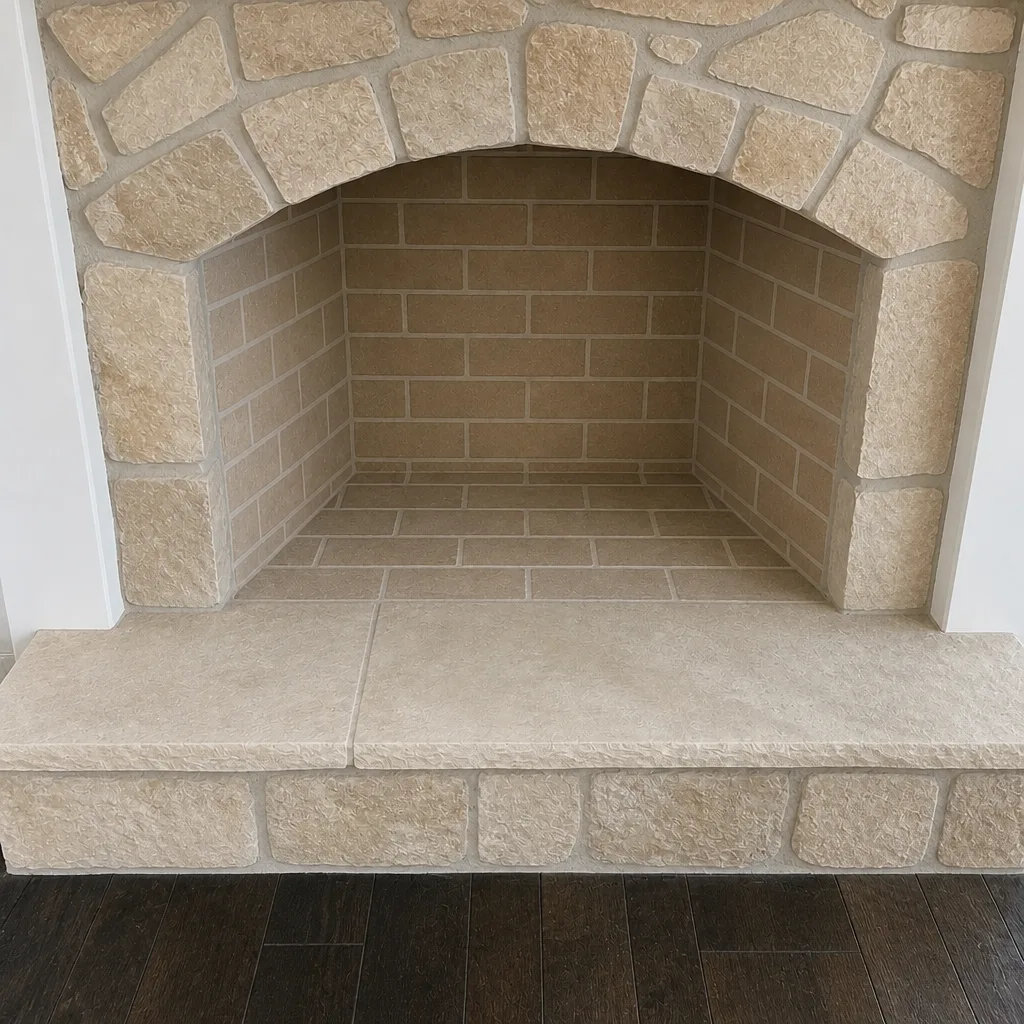
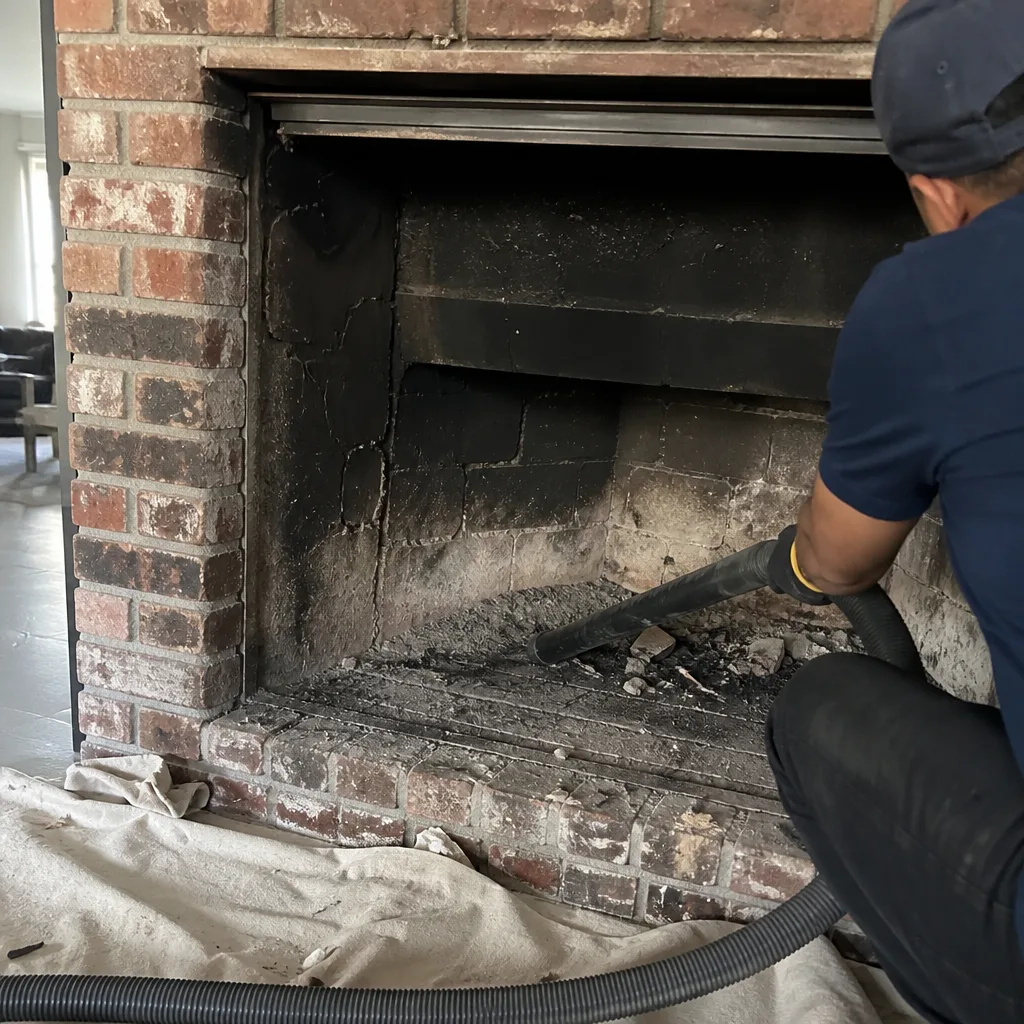
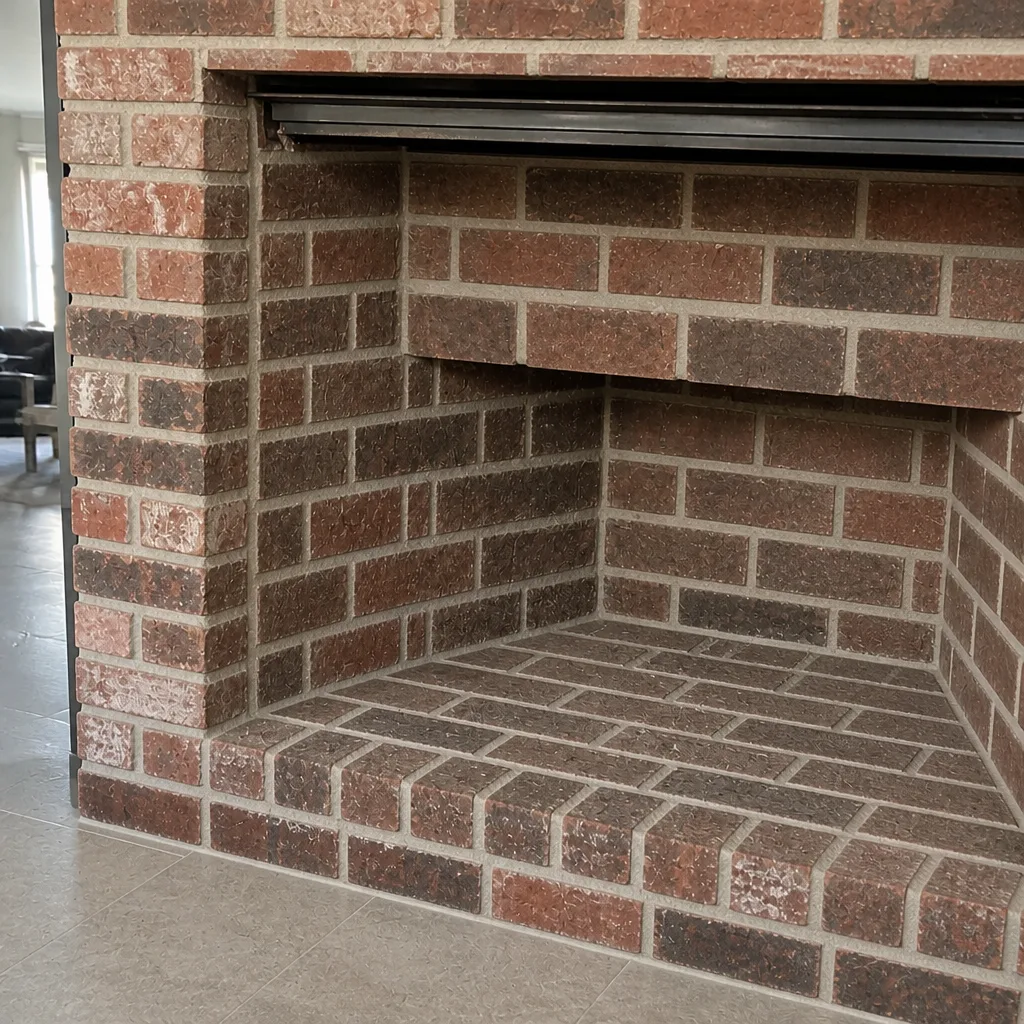
See the difference
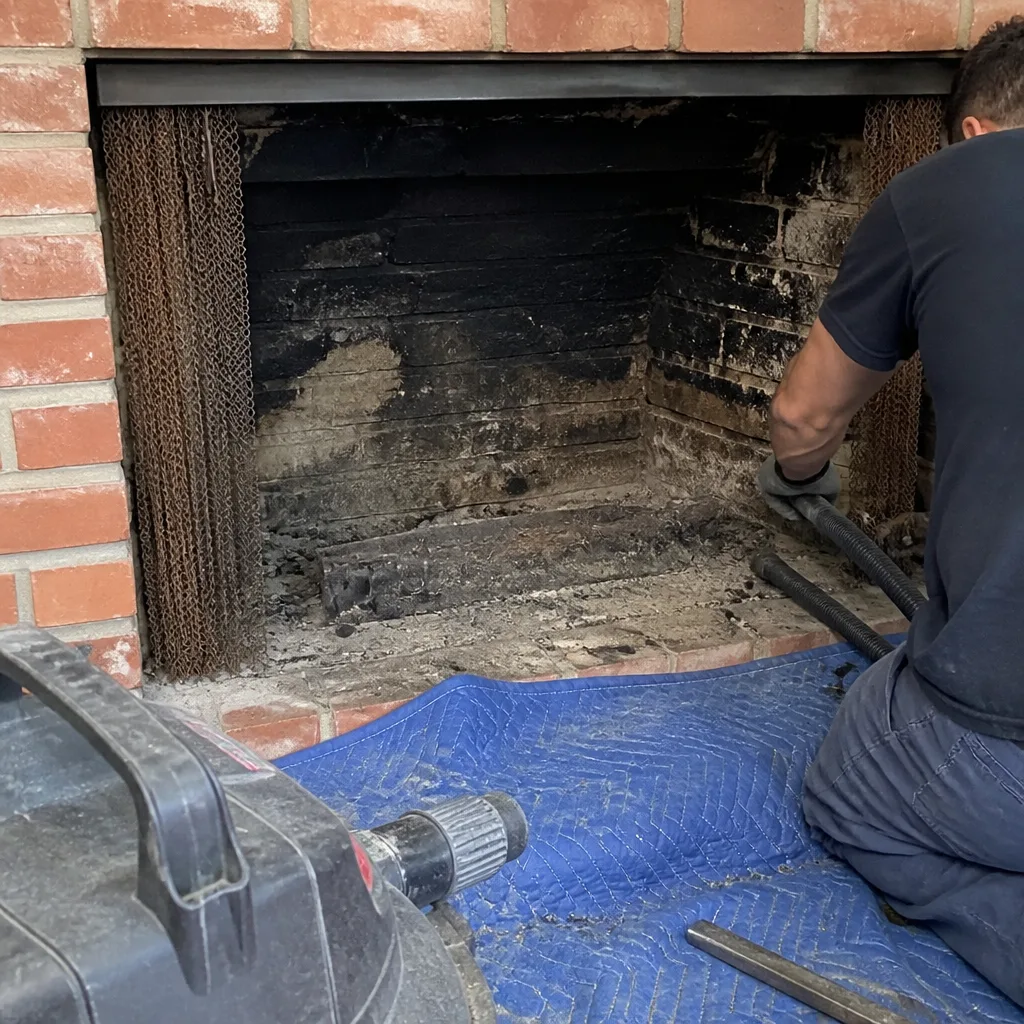 Before
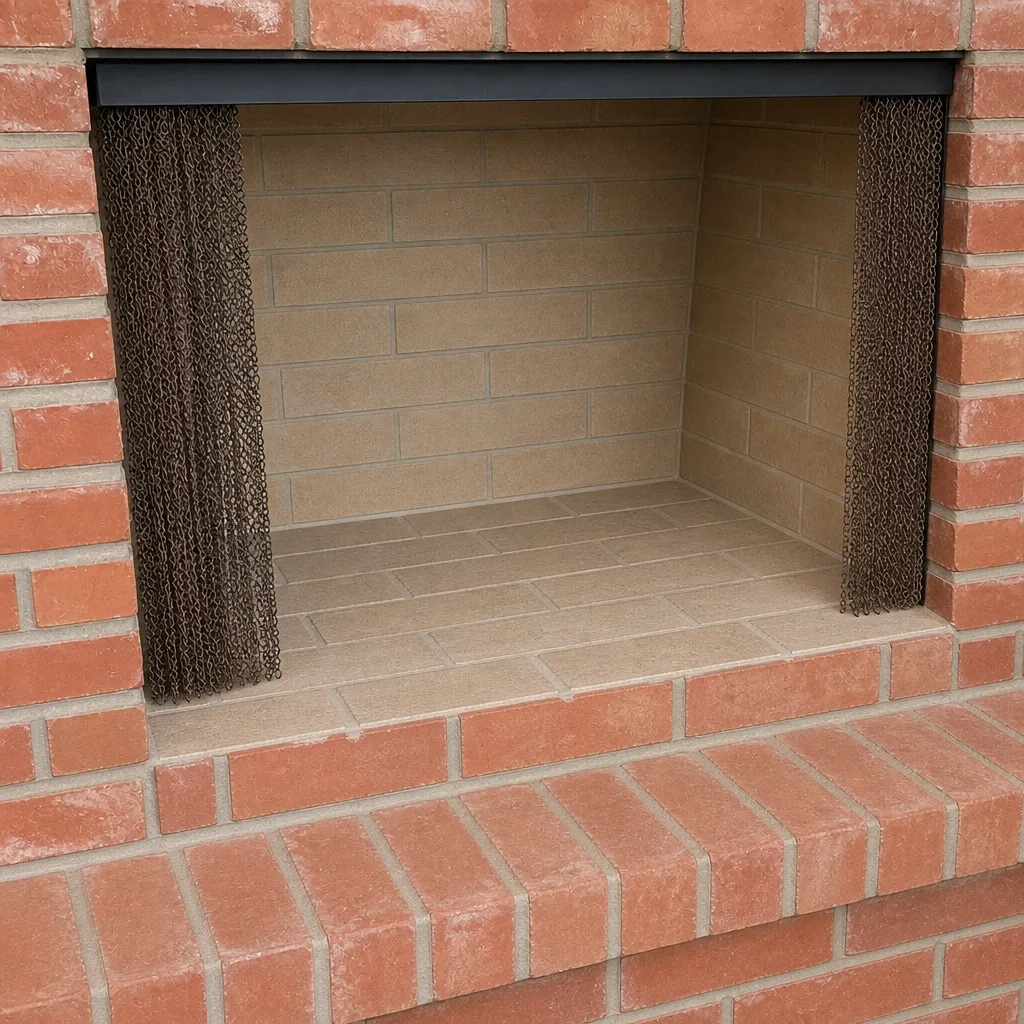 After
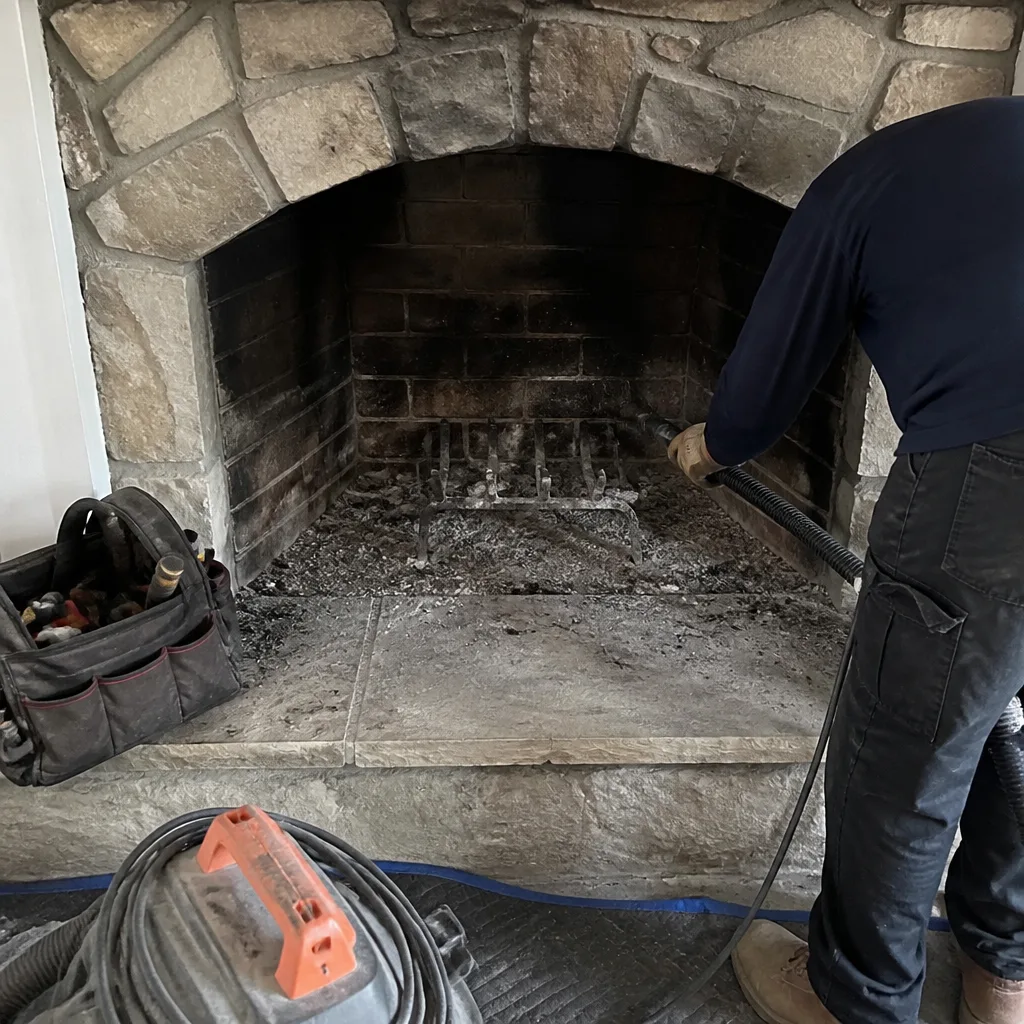 Before
 After
 Before
 After
When to Call a Professional
Most chimney emergencies avoid becoming emergencies when a professional inspects the system before the burning season. You know you need a professional if: it’s been more than a year since your last sweep, you’ve recently purchased the home and have no record of prior maintenance, you notice a strong odor from the fireplace even when it’s not in use, the damper is difficult to operate, your chimney cap is damaged or missing, or you use the fireplace and notice smoke backing into the room. Any of these warrants a visit. Chimney Sweep Lake Forest offers free estimates in Lake Forest. Call (833) 589-9146. We answer 24/7. Fast dispatch from 7am to 7pm, Sunday through Friday.
Frequently Asked Questions
A chimney fire produces a loud, deep rumbling or roaring sound that comes from the chimney itself, not the firebox, often described as a freight train. You’ll see dense, dark smoke or flames from the chimney top, and the firebox may burn unusually hot. A normal fire is quiet by comparison, with only soft crackling and draft sounds.
Evacuate everyone from the home first, then call 911 from outside. If it’s safe to reach the damper without passing the firebox or entering a smoke-filled room, close it to reduce oxygen. But never delay evacuation or the 911 call to do so.
At minimum once before each burning season, even if the fireplace saw light use the previous year. Lake Forest homes often go months between fires, which gives creosote time to harden into a more flammable glaze. An annual pre-season sweep and inspection is the right baseline for a wood-burning fireplace; gas fireplaces can often go longer but should still be inspected for vent blockages.
Yes. A cap serves three functions in this climate: it blocks ember intrusion during wildfire conditions, prevents birds and animals from nesting in the flue during long periods of disuse, and keeps rain and debris out. If your cap is damaged or missing, replace it before the burning season, not during it.
No, not until a professional completes a Level 2 inspection, which includes a camera scan of the full flue interior. Chimney fires crack tiles, warp liners, and damage mortar in places you cannot see from the firebox. After the inspection, repairs may involve resurfacing with HeatShield or relining with DuraFlex, both professional-grade systems. Call (833) 589-9146 to schedule the assessment.
Yes, and it’s one of the most overlooked fire hazards in any home, including Lake Forest. Lint inside the duct is highly flammable, and reduced airflow causes the dryer to overheat. Annual dryer vent cleaning removes the lint before it becomes dangerous. Call us for a free estimate: (833) 589-9146.
The Bottom Line
In Lake Forest, the chimney emergency that matters most is the one that starts in a flue that hasn’t been cleaned since last March. The window is predictable: cold evenings in November and December when fireplaces light for the first time in months, against creosote that’s had all summer to harden. The preparation is also predictable: a professional sweep and inspection in September, a working chimney cap, known damper and gas shutoff locations, and a reference card every adult in the home knows about. If an emergency does happen, the response order never changes: evacuate, call 911, close the damper only if safe. And your dryer vent deserves the same year-round vigilance. A small amount of September preparation removes most of the risk that December would bring. For a free estimate, call Chimney Sweep Lake Forest at (833) 589-9146. We answer 24/7, with fast dispatch from 7am to 7pm, Sunday through Friday.
Written by the team at Chimney Sweep Lake Forest, serving Lake Forest since 2015.