
Last updated November 4, 2026
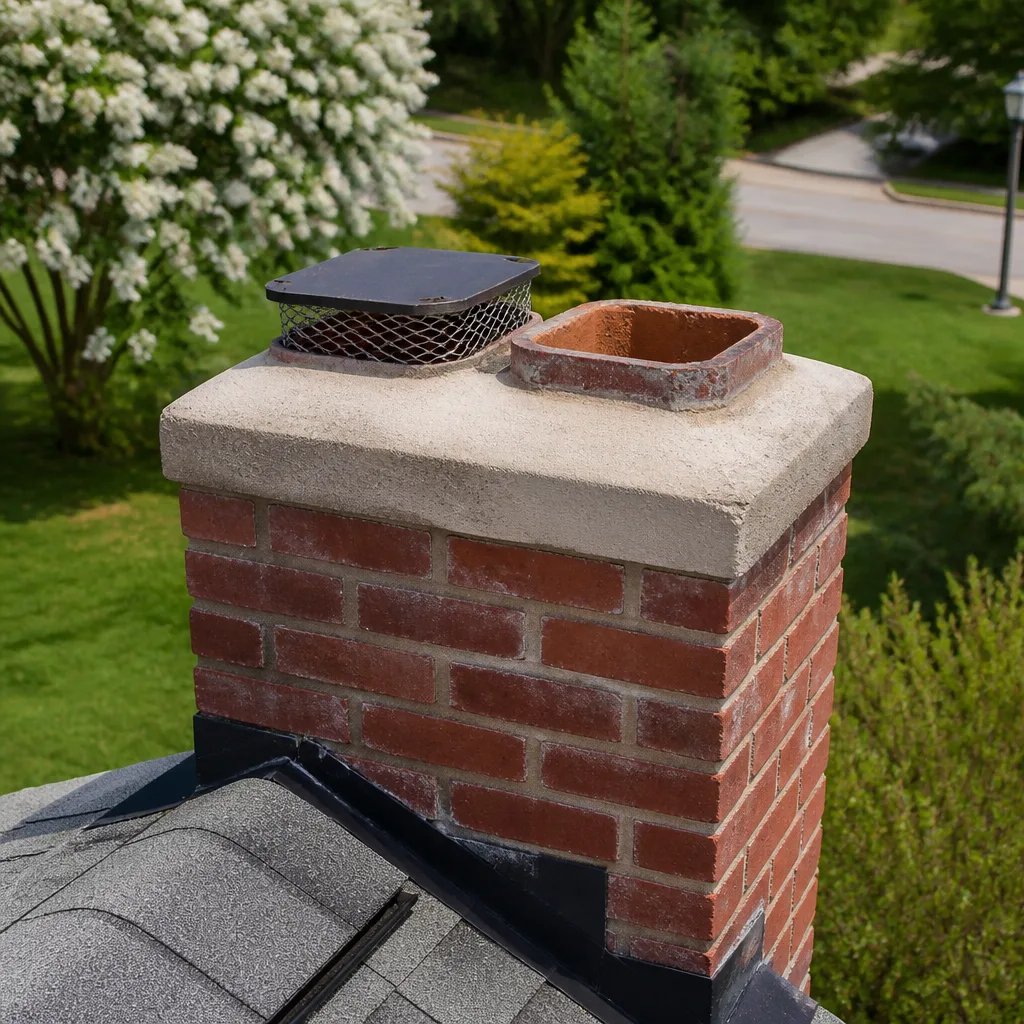 Sweep & inspection
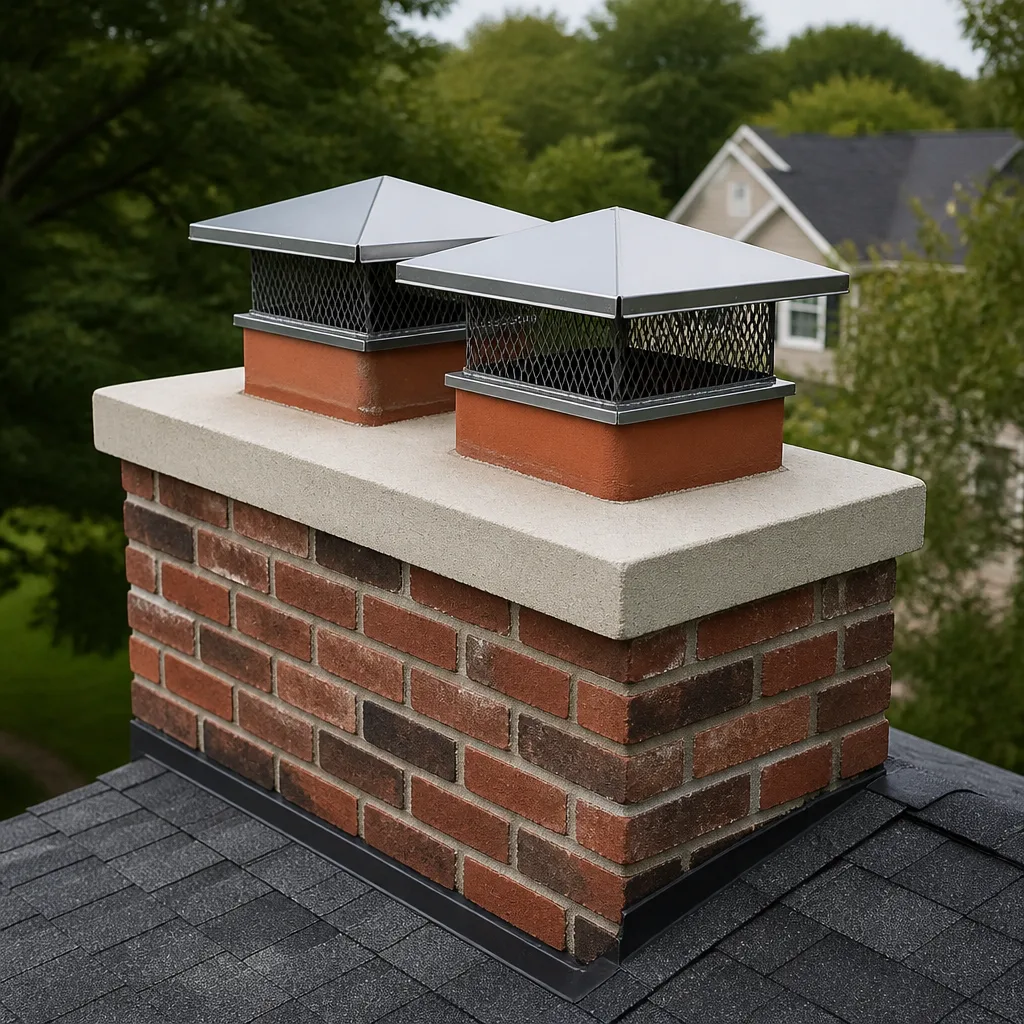 Caps & crowns
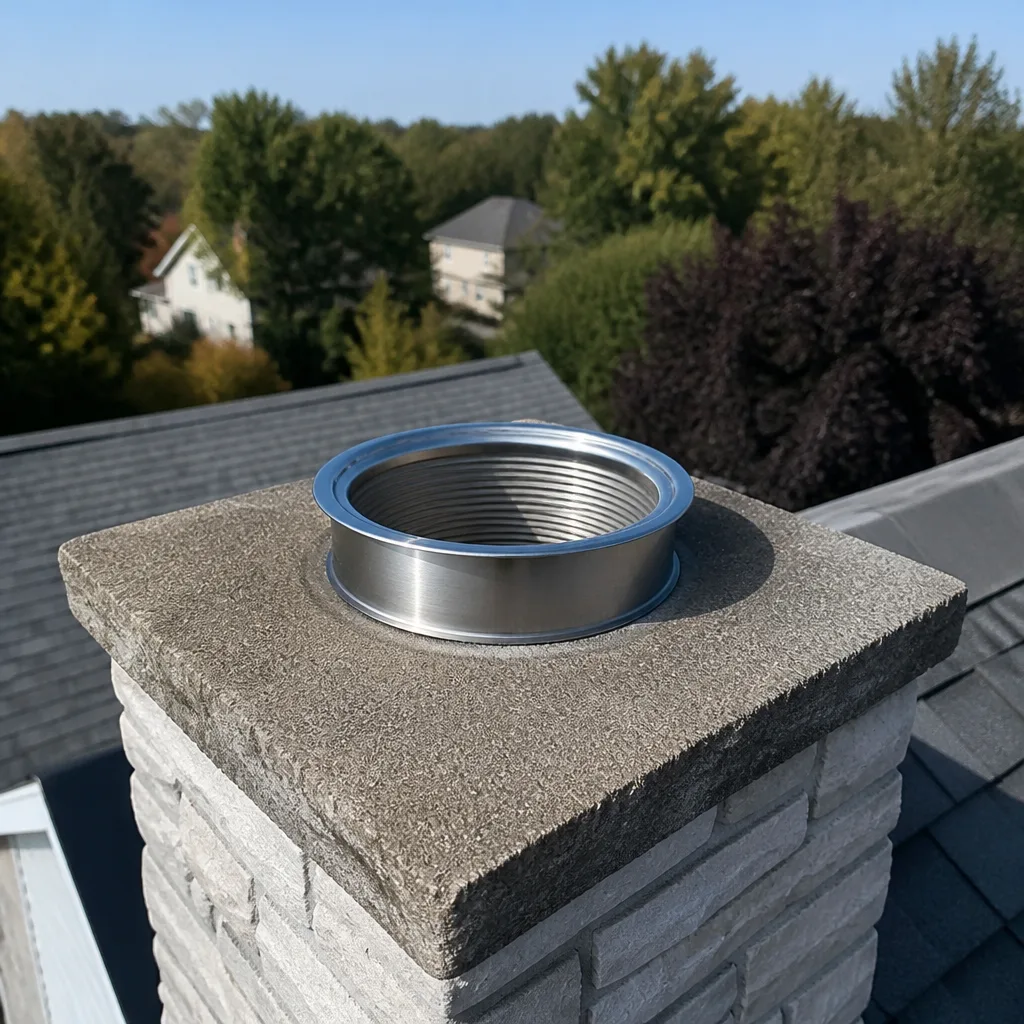 Flue relining
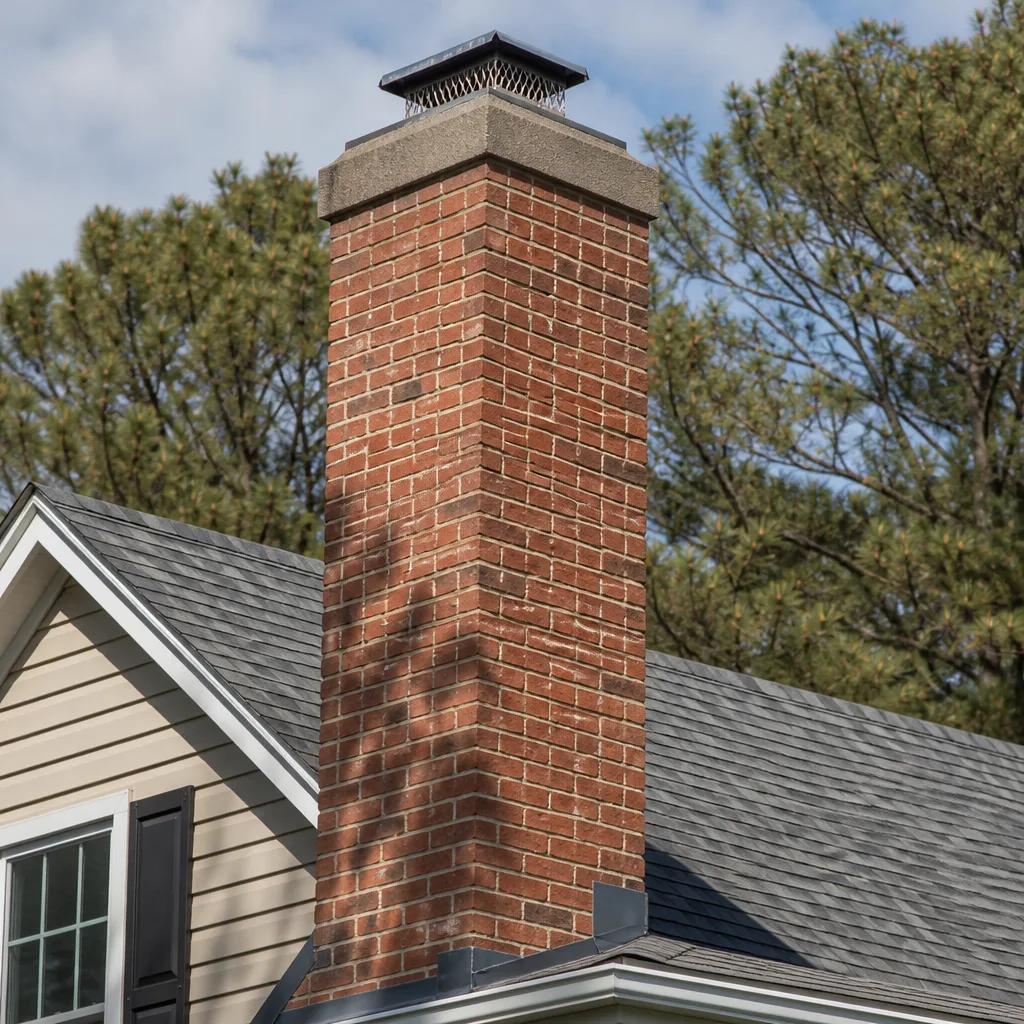 Masonry repair
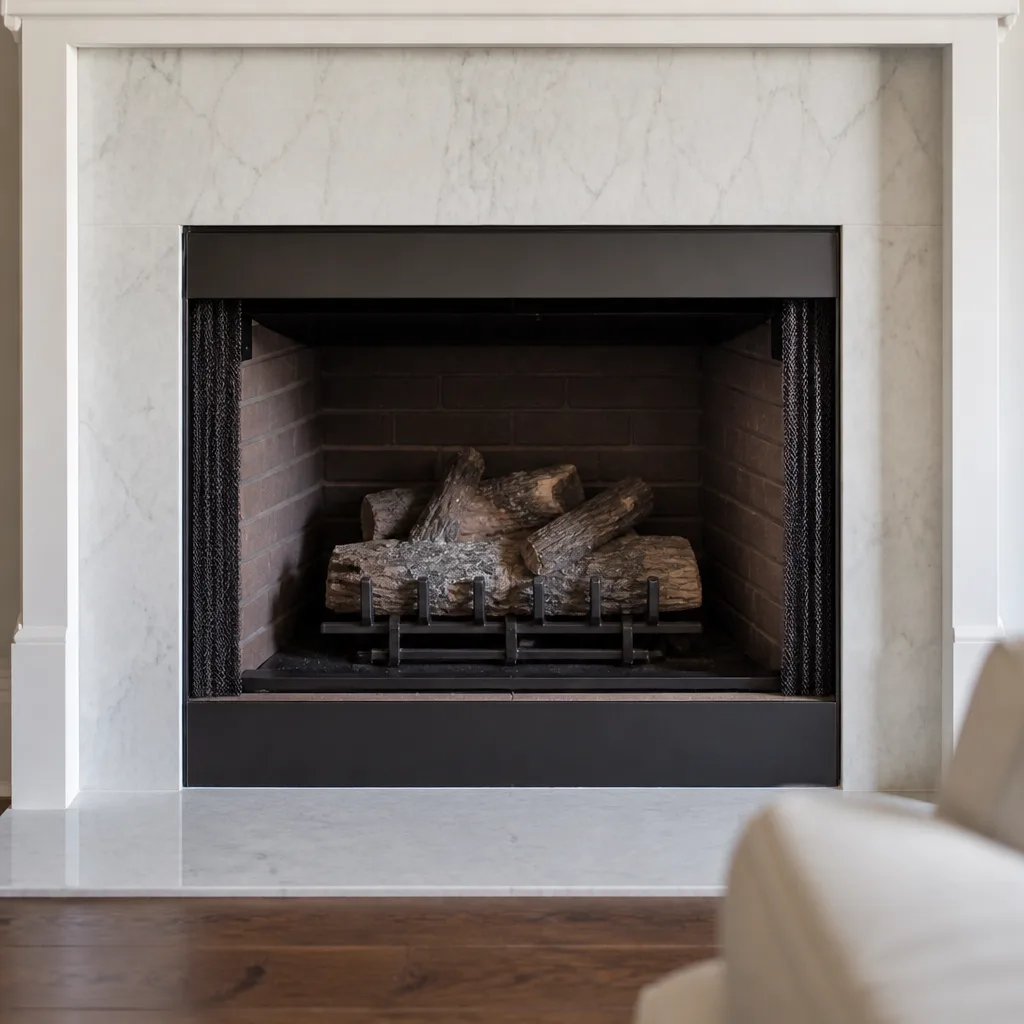 Gas fireplace service
Level 1 sweep and inspection to the NFPA 211 annual standard - flue, crown, cap, and flashing checked and photographed
Chimney sweep logs do not sweep chimneys. They loosen some creosote - which then falls where a brush and vacuum still have to collect it.
Chimney Cleaning Warning Signs: A Lake Forest Homeowner’s Reference Guide
Most people assume a chimney problem announces itself with smoke pouring into the living room. In reality, the earliest warnings are subtle: a faint smell after rain, a whisper of soot on the hearth, a small crack in the crown you’d need binoculars to see. The trick is knowing which signals are cosmetic, which ones mean schedule a chimney sweep soon, and which ones mean stop using the fireplace until a professional looks at it. This guide draws those lines clearly for Lake Forest homeowners, so you can act before a nuisance becomes a hazard.
Quick Answer
The warning signs that mean your chimney needs cleaning or inspection include a strong smoke odor when the fireplace isn’t in use, visible dark creosote buildup inside the flue, smoke that spills into the room during a fire, and white staining or crumbling on the exterior masonry. If you notice any of these, stop using the fireplace and call Chimney Sweep Lake Forest at (833) 589-9146 for an assessment. Most Lake Forest homes with regular use need a sweep every one to two years, and the estimate is free.
Styles & brands we work with
- Sweep & inspection
- Caps & crowns
- Flue relining
- Masonry repair
- Gas fireplace service
Table of Contents
- The Smoke Smell When the Fireplace Isn’t Lit
- Visible Creosote: What It Looks Like and Why It Matters
- Smoke Behavior During a Fire: Three Patterns That Mean Trouble
- Masonry Warning Signs: Efflorescence, Spalling, and Crown Cracks
- Prefabricated Fireplace Warning Signs Specific to Lake Forest Homes
- The Dryer Vent Connection: A Related Fire Hazard
- Schedule Soon vs. Do Not Use: A Clear Decision Guide
- Common Mistakes to Avoid
- When to Call a Professional
- Frequently Asked Questions
The Smoke Smell When the Fireplace Isn’t Lit
A strong smoke smell in your living room when the fireplace is not in use isn’t a draft problem. It’s typically a sign of creosote buildup or a damper that isn’t sealing tightly, and it deserves same-week attention in Lake Forest. Here’s what happens: creosote, a tar-like byproduct of wood combustion, coats the inside of your flue over time. When the air pressure inside your house shifts, that coating off-gasses into the living space. The smell can be faint or sharp, but it means the flue is carrying more combustible material than it should.
A second cause is a damper left partially open or one that has warped with heat and age. If the damper doesn’t close fully, warm air from your home rises into the flue, pulls odors down, and wastes energy. In Lake Forest’s mild climate, we sometimes see this more in shoulder seasons when the fireplace sits unused for months and the creosote absorbs humidity from the air, making the odor more noticeable. The fix usually starts with a sweep and a damper inspection, not a full rebuild. But ignoring the smell is a mistake: creosote is the primary fuel for chimney fires, and a strong odor means there’s enough of it to care about.
Visible Creosote: What It Looks Like and Why It Matters
Creosote appears in three stages, and knowing the difference helps you understand what a sweep will involve. Stage one is a fine, dusty black or brown powder that brushes away easily. Stage two is flaky, like toasted coconut or dried coffee grounds, and it requires more mechanical effort to remove. Stage three is the one we worry about: a thick, tar-like glaze that hardens and can look like black glass coating the flue. That third stage is concentrated fuel, and it often signals that the fireplace has been burning unseasoned wood or smoldering fires at low temperatures.
You can check for creosote yourself with a flashlight. Open the damper, look up, and scrape a small area with a fireplace poker. If the residue is more than about an eighth of an inch thick, or if it appears shiny, schedule a cleaning. In Lake Forest, homes with regular wood-burning fireplaces typically accumulate enough creosote to warrant a sweep every one to two years, depending on how often they’re used and whether the wood is properly seasoned. A professional chimney sweep uses specialized brushes and rods designed for your flue’s shape and liner type, and they’ll remove creosote without damaging the flue tiles or liner system.
Smoke Behavior During a Fire: Three Patterns That Mean Trouble
How smoke behaves while a fire is burning tells you a lot about what’s happening inside the flue. We break it into three patterns that Lake Forest homeowners commonly describe when they call us.
- Smoke spills into the room when you first light a fire. This is often a cold flue problem: the column of air inside the chimney is heavy and cold, and it pushes back against the rising smoke until the flue warms up. If priming the flue with a lit roll of newspaper for thirty seconds fixes it, the damper and flue are probably fine. If the smoke keeps spilling after the fire is burning well, you may have a partial blockage or a negative pressure problem caused by a tight house, a running bathroom fan, or a kitchen exhaust hood.
- Smoke starts fine, then backs up partway through the burn. This pattern suggests a restriction that becomes a problem as the fire grows and the smoke volume increases. A bird nest, an accumulation of creosote, or a collapsed flue tile can all cause this. It’s a sign to stop using the fireplace and get an inspection, because the obstruction may also be trapping heat against combustible materials.
- Smoke exits the chimney but drifts back down around the house. This is often a draft or chimney height issue, and in some Lake Forest neighborhoods it can interact with the rooflines of two-story homes. A chimney that is too short relative to the roofline, or a chimney cap that’s blocked, can cause smoke to re-enter through eaves or windows. It’s a nuisance, but it can also be a sign that the flue is underperforming and needs a draft assessment.
Masonry Warning Signs: Efflorescence, Spalling, and Crown Cracks
Masonry damage can be the easiest warning sign to spot from the ground and the easiest to miss. You’re looking for three things: white staining, flaking brick faces, and cracks in the concrete crown that caps the chimney.
Efflorescence vs. cosmetic staining. Efflorescence is a white, powdery deposit that appears on brick and mortar when water has entered the masonry, dissolved salts, and carried them to the surface. A cosmetic stain from soot or rain splash will look different: it’s usually gray or black, sits on the surface, and wipes away. Efflorescence is a signal of active moisture intrusion, and it means water is moving through your chimney. In Lake Forest, where winter rains can be persistent but snow is not a factor, moisture often enters through a cracked crown, a failed chimney cap, or deteriorated mortar joints. The fix usually starts with sealing the water entry point, not just cleaning the stain.
Spalling brick faces. Spalling is what happens when water enters the brick, and then the brick surface begins to flake, peel, or pop off. You might see brick fragments in the gutter or on the roof near the chimney. Spalling accelerates in climates with temperature swings, and while Lake Forest doesn’t get hard freezes, the daily thermal cycling between cool mornings and warm afternoons does put stress on saturated masonry. A spalling chimney is shedding its outer layer, and left alone, the damage works inward until the structure needs significant repair.
Crown cracks. The crown is the sloped concrete cap on the top of the chimney, and its job is to shed rainwater away from the flue. Hairline cracks in the crown can widen with every rain cycle and every expansion-contraction cycle. From the ground, you may not see the crack itself, but you’ll see the results: damp spots on the chimney after rain, or the efflorescence described above. If the crown is cracked, water is getting in, and in a Lake Forest rainy season, that means a slow leak that keeps working even when the fireplace is idle.
Prefabricated Fireplace Warning Signs Specific to Lake Forest Homes
A lot of Lake Forest homes, especially those built in the 1980s and 1990s, have prefabricated fireplaces instead of traditional masonry chimneys. Prefabs have their own warning signs, and they’re often mistaken for cosmetic issues.
- Rust on the firebox panels. Surface rust is a sign that moisture has been entering the firebox, often from a leaking chimney cap or a poorly sealed chase top. Rust on a prefab firebox is structural over time, because the metal panels are thin and designed to contain fire. Once they rust through, the fireplace is unsafe to use.
- Visible gaps in refractory panels. Refractory panels are the insulating panels that line the inside of a prefab firebox. They protect the metal shell from direct flame. If you see gaps between panels, cracks running through them, or panels that have shifted, the firebox is no longer doing its job. Replacement refractory panels are available through brands like Olympia Chimney, which supplies professional chimney contractors, and the fix is usually straightforward when caught early.
- Warped or discolored chase covers. The chase cover is the metal cap over the wood-framed chimney enclosure. If it’s rusted, warped, or allowing water in, the chase structure and the fireplace itself are at risk. In Lake Forest’s rainy winters, a failed chase cover quietly soaks the inside of the chase for months before the homeowner notices a ceiling stain.
The Dryer Vent Connection: A Related Fire Hazard
We mention dryer vents in a chimney guide for a simple reason: the same homeowner who never thinks about the chimney often never thinks about the dryer vent, and both are fire hazards that hide in plain sight. Lint is highly combustible, and a restricted dryer vent forces the dryer to work harder, run hotter, and push more lint into the duct. The buildup can ignite. Your dryer vent is a fire hazard waiting to happen, and dryer vent cleaning is a core part of what we do, not an afterthought.
The warning signs are specific: clothes take longer than one cycle to dry, the dryer shuts off before the cycle ends, the laundry room gets unusually warm, or you notice a burning smell while the dryer runs. You can also check the exterior vent hood: if the flap isn’t opening fully when the dryer is running, or if lint is visible around the opening, the duct is restricted. We specify Famco ventilation products because they’re purpose-built for professional duct and vent applications, and that matters when replacing a damaged vent hood or cap.
Schedule Soon vs. Do Not Use: A Clear Decision Guide
This is the section most homeowners ask for: a simple way to know whether a warning sign means “book a sweep when convenient” or “do not light another fire until a professional inspects it.” Here’s the line we use in Lake Forest.
Schedule soon, but you can likely keep using the fireplace:
- Mild smoke smell that only appears after rain or high humidity.
- Light, dusty creosote buildup you can see but that’s less than an eighth of an inch thick.
- Hairline cracks in the chimney crown that don’t appear to be growing.
- A damper that’s stiff but still holds position.
- Dryer clothes that take slightly longer than usual to dry.
Do not use the fireplace until a professional inspects it:
- Smoke that spills into the room and doesn’t resolve after the flue warms up.
- Thick, shiny, tar-like creosote glaze visible inside the flue.
- A strong smoke smell when the fireplace has been completely cold for days.
- Visible rust through or gaps in prefab firebox panels.
- Brick faces popping off the chimney, or brick fragments found on the roof or ground.
- Any sign that water has been entering the chimney and has reached the ceiling or walls inside the house.
When in doubt, stop using the fireplace and get an inspection. The consequences of using a fireplace with a compromised liner, a hidden blockage, or a rusted firebox are not worth the gamble, and in Lake Forest, same-week inspections are usually available.
Common Mistakes to Avoid
- Assuming a new house means a clean chimney. Home inspectors often don’t scope the interior of the flue during a purchase inspection, and a recently purchased Lake Forest home may have years of deferred cleaning from the previous owner. Always have a sweep done before the first burn in a home you just bought.
- Ignoring a smoke smell because it’s “just the fireplace.” A smoke smell when the fireplace is cold is not normal, and it’s not a mark of a well-seasoned chimney. It’s a sign of creosote or a damp, compromised flue and it’s the kind of thing that becomes a chimney fire if left alone.
- Burning unseasoned or painted wood. Green wood smolders at lower temperatures, which creates more creosote, faster. Painted or treated wood releases chemicals into a flue that’s already coated with combustible residue. Use dry, seasoned hardwood and your chimney will need far less scraping.
- Chipping away at creosote yourself. Homeowners sometimes try to knock creosote off the flue walls with a fire poker or a wire brush. What happens is they scrape the surface of the flue tiles, create grooves for the next cycle of creosote to grip, and often push debris down into the smoke shelf where it blocks airflow. A proper sweep uses the right brushes for the liner type.
- Ignoring a chimney cap that’s missing or damaged. The chimney cap does more than keep out rain. It keeps out birds, rodents, leaves, and debris. A missing cap in Lake Forest is a standing invitation for a bird nest, and a bird nest inside the flue is a blockage that can cause carbon monoxide to back up into the house.
- Assuming a gas fireplace never needs service. Gas fireplaces produce less creosote than wood, but they still accumulate dust, pet hair, and combustion byproducts, and a gas fireplace with a blocked vent can produce carbon monoxide inside the living space. All fuel-burning appliances in the home should be on the same inspection schedule.
When to Call a Professional
Call a professional if you see any of the stop-use signs: smoke that spills into the room, thick glazed creosote, rust on prefab panels, spalling brick, or a smoke smell that won’t fade. Call for a chimney sweep if it’s been more than a year or two since the last cleaning, or if you’ve just bought a home in Lake Forest and can’t confirm when the chimney was last serviced. Call if your dryer takes two cycles to dry a load. And call if you simply want an expert’s assessment of whether that crack in the crown is something to act on now or something to watch. Chimney Sweep Lake Forest offers free estimates in Lake Forest, and we bring a camera inspection and a written quote to every visit, so you’ll know exactly what you’re dealing with. Call (833) 589-9146. We answer 24/7. Fast dispatch from 7am to 7pm, Sunday through Friday.
Frequently Asked Questions
Most wood-burning fireplaces in Lake Forest need a sweep every one to two years, depending on how often they’re used and what kind of wood is burned. A fireplace used most winter evenings with dry hardwood may go two years; one that burns occasional fires with mixed wood may need attention every year. Gas fireplaces should be inspected annually for vent blockages and dust buildup. Call (833) 589-9146 for a free estimate and we can assess your specific situation.
A standard chimney sweep in Lake Forest typically runs between $150 and $300 for a straightforward, accessible fireplace, though the final price depends on the flue’s condition, the level of creosote, and whether a full inspection is included. If the sweep uncovers damage requiring repair, that work is quoted separately. The estimate is free, and the written estimate sets the final price before any work begins.
A chimney cap matters in every climate, and in Lake Forest it’s about rain, birds, and debris more than snow. Rain between November and March soaks into an uncapped flue, accelerating mortar deterioration and rusting prefab components. Birds and rodents will nest in an open flue, and a nest is a blockage that sends smoke and carbon monoxide into the house. We source chimney caps and covers through Gelco, a brand built for professional chimney trades, so the cap you get fits the flue and holds up.
A chimney fire often sounds like a rumble, a low roar, or a freight train moving through the chimney, and you may see dense smoke or sparks coming from the chimney top or smell something hot and acrid. Some chimney fires are smaller and burn themselves out, but even a small one can damage the flue liner and create a pathway for the next fire to reach the house structure. If you hear that rumble, call the fire department, and after it’s out, call us for an inspection before using the fireplace again.
You can, but it’s rarely a good idea. A homeowner brush kit is a one-size-fits-all tool, while your flue has a specific size and liner type, and using the wrong brush can score clay tiles or miss hardened creosote. A professional sweep uses brushes matched to the flue and includes an inspection that catches problems you can’t see from the top or bottom. For the cost of a single sweep, the inspection alone is usually worth it.
Burn only seasoned hardwood, and avoid smoldering, low-temperature fires that produce more creosote. Keep the damper closed when the fireplace is cold to reduce odor and moisture. Check the chimney cap from the ground after any big wind or rain, and don’t use the fireplace if you see smoke stains on the ceiling or walls near it. If anything changes in your home’s ventilation, like a new kitchen hood or a bathroom fan, be aware that it can affect draft. And when in doubt, call us for a free estimate before the problem becomes a repair.
The Bottom Line
Chimney warning signs fall into two groups, and knowing which group you’re looking at is the whole game. Light smoke smell, dusty creosote, a hairline crack in the crown: schedule a sweep, but you’re probably not in immediate danger. Smoke that spills into the room, thick glazed creosote, rust on prefab panels, spalling brick: stop using the fireplace and get a professional inspection before the next fire. If you’re in Lake Forest and you’re not sure which group applies, call Chimney Sweep Lake Forest at (833) 589-9146. We answer 24/7, dispatch from 7am to 7pm Sunday through Friday, and the estimate is free.
Written by the team at Chimney Sweep Lake Forest, serving Lake Forest since 2015.
See the difference
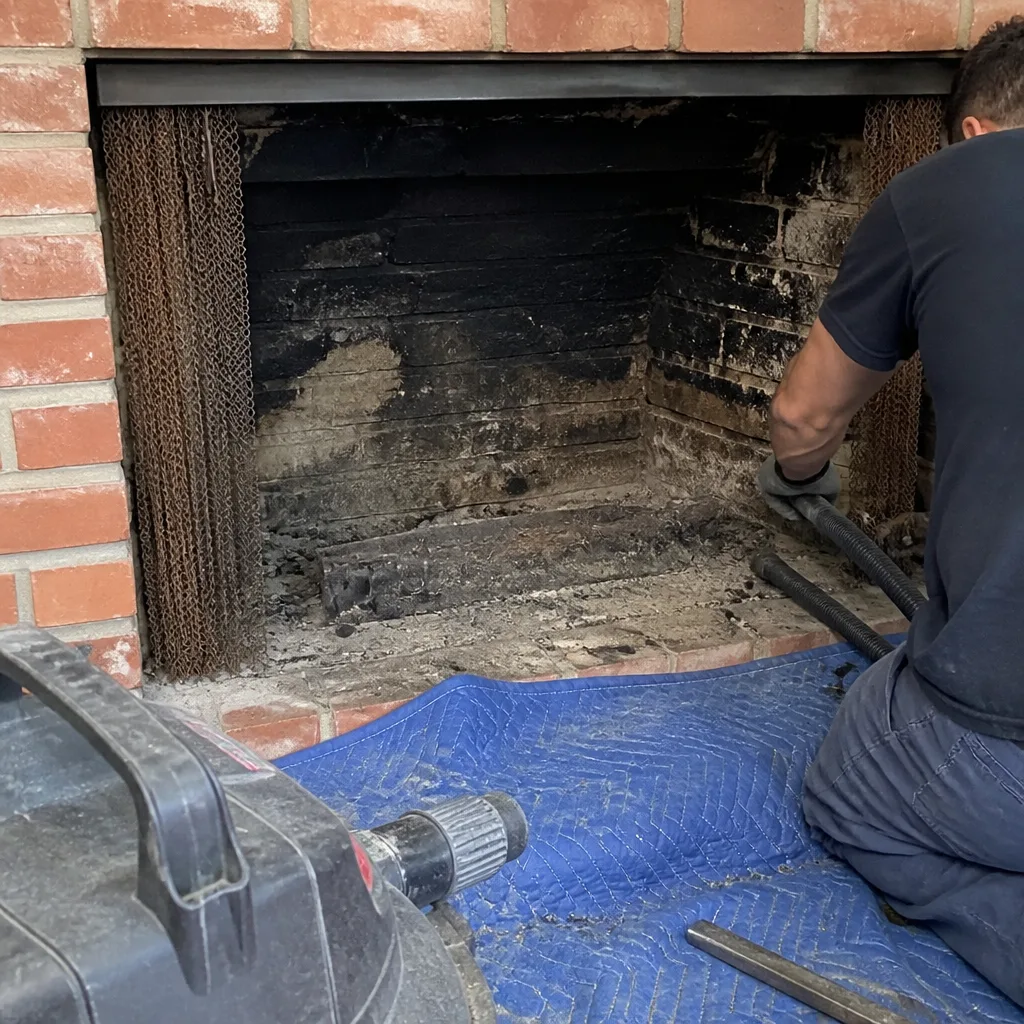 Before
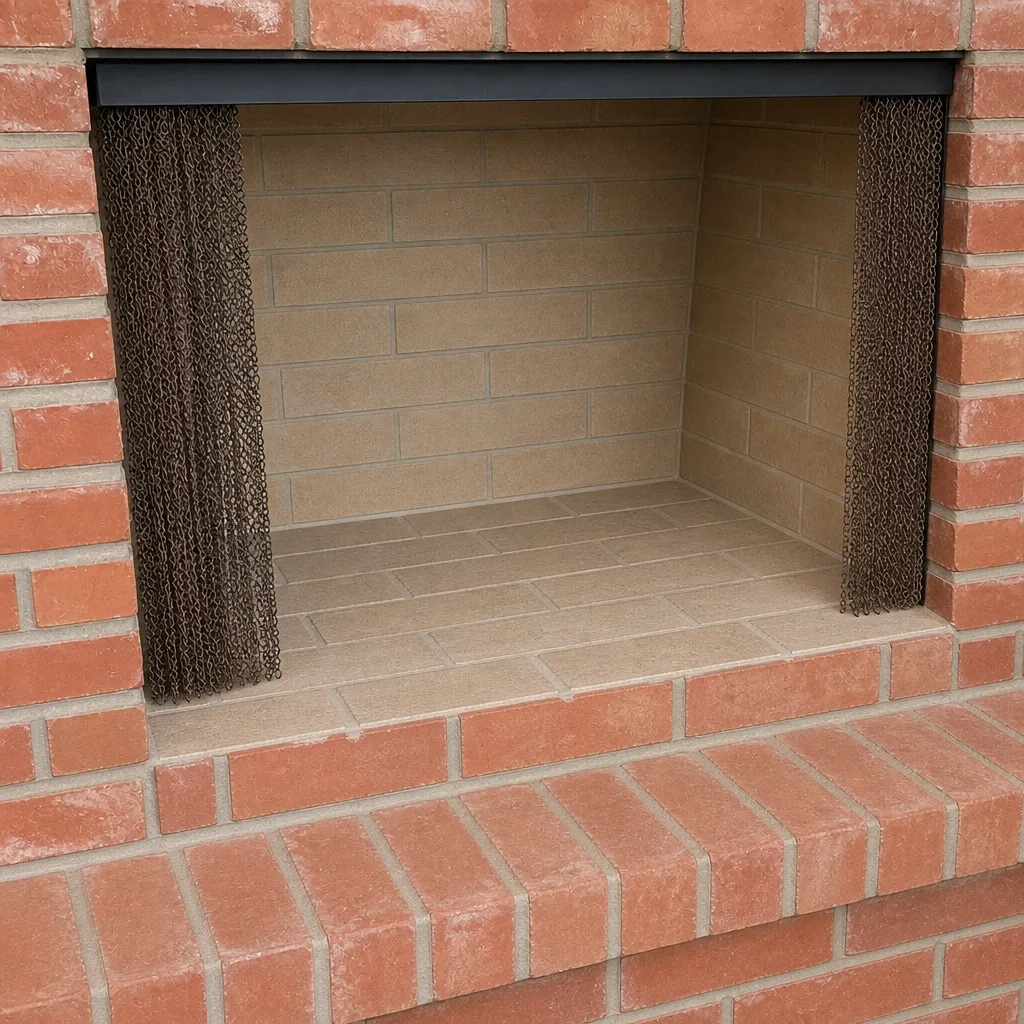 After
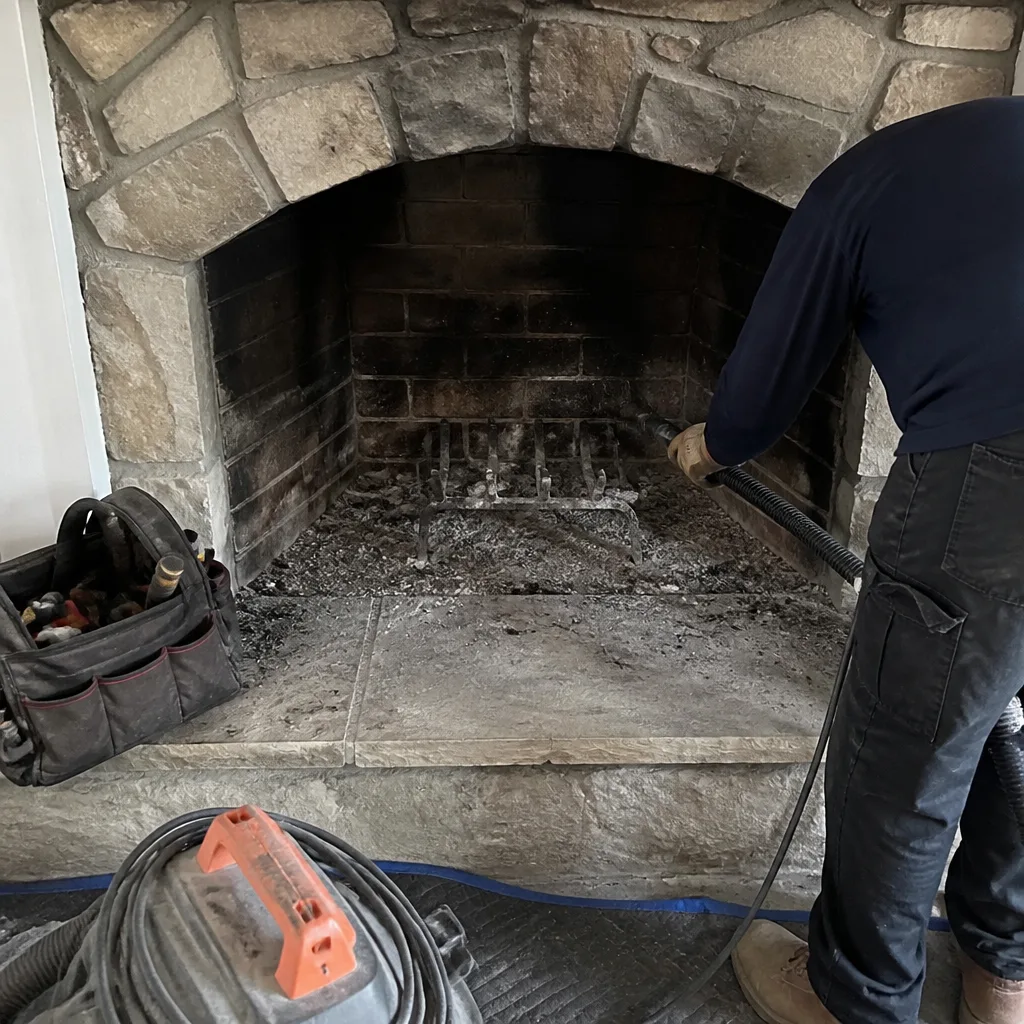 Before
 After
 Before
 After