
Last updated November 4, 2026
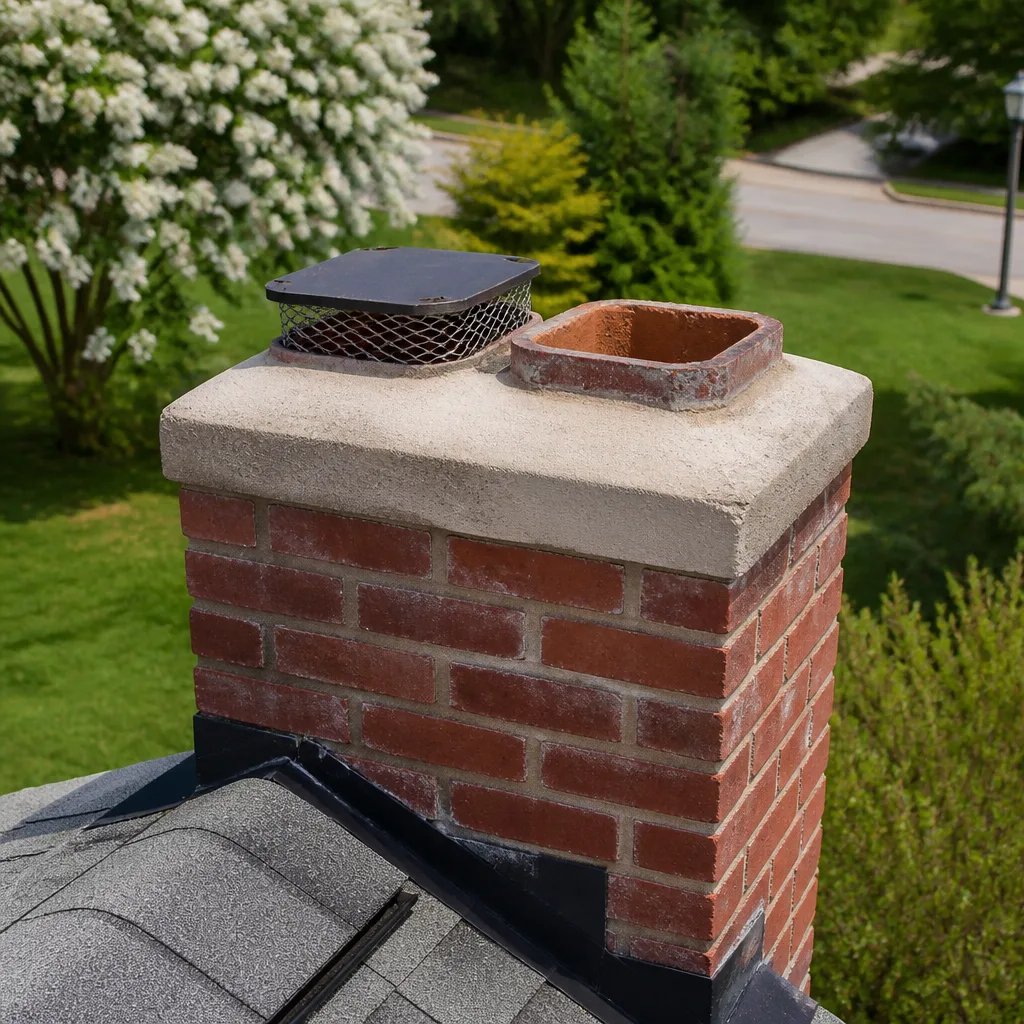 Sweep & inspection
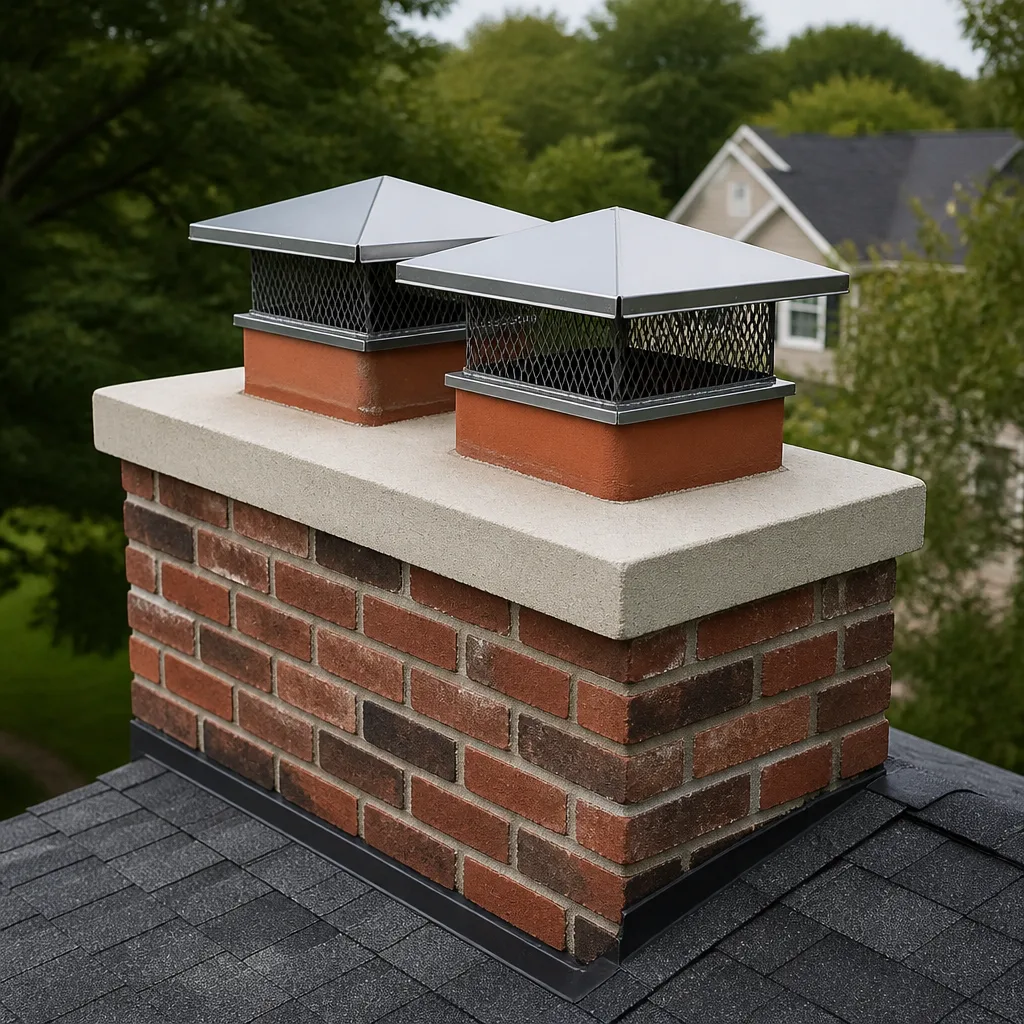 Caps & crowns
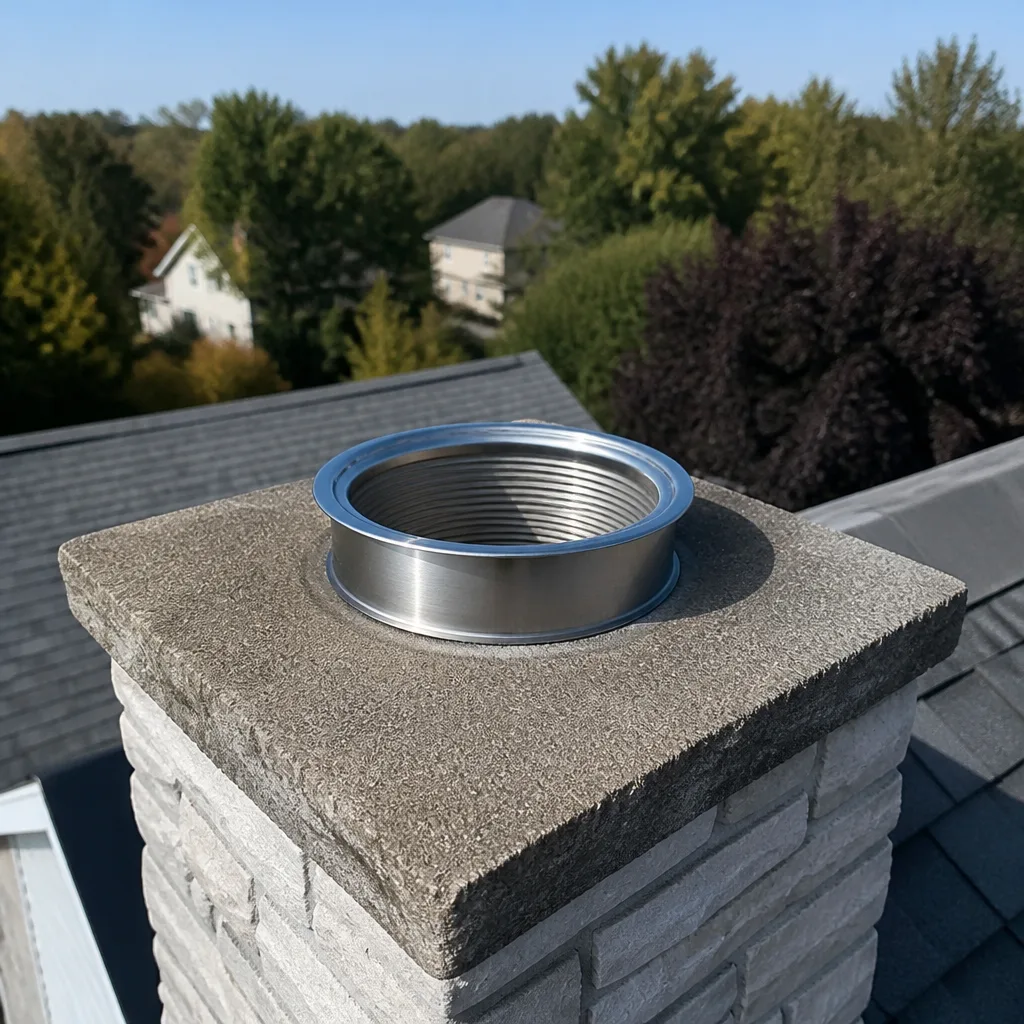 Flue relining
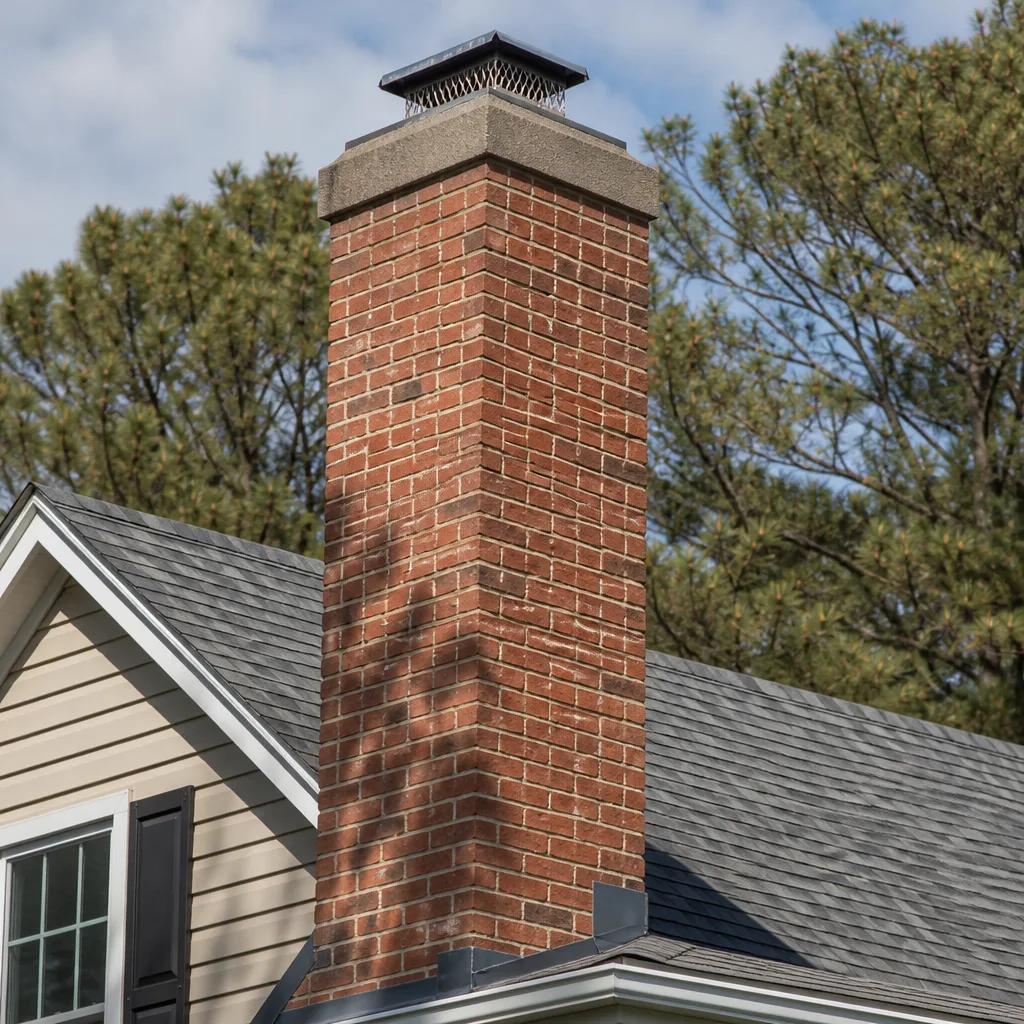 Masonry repair
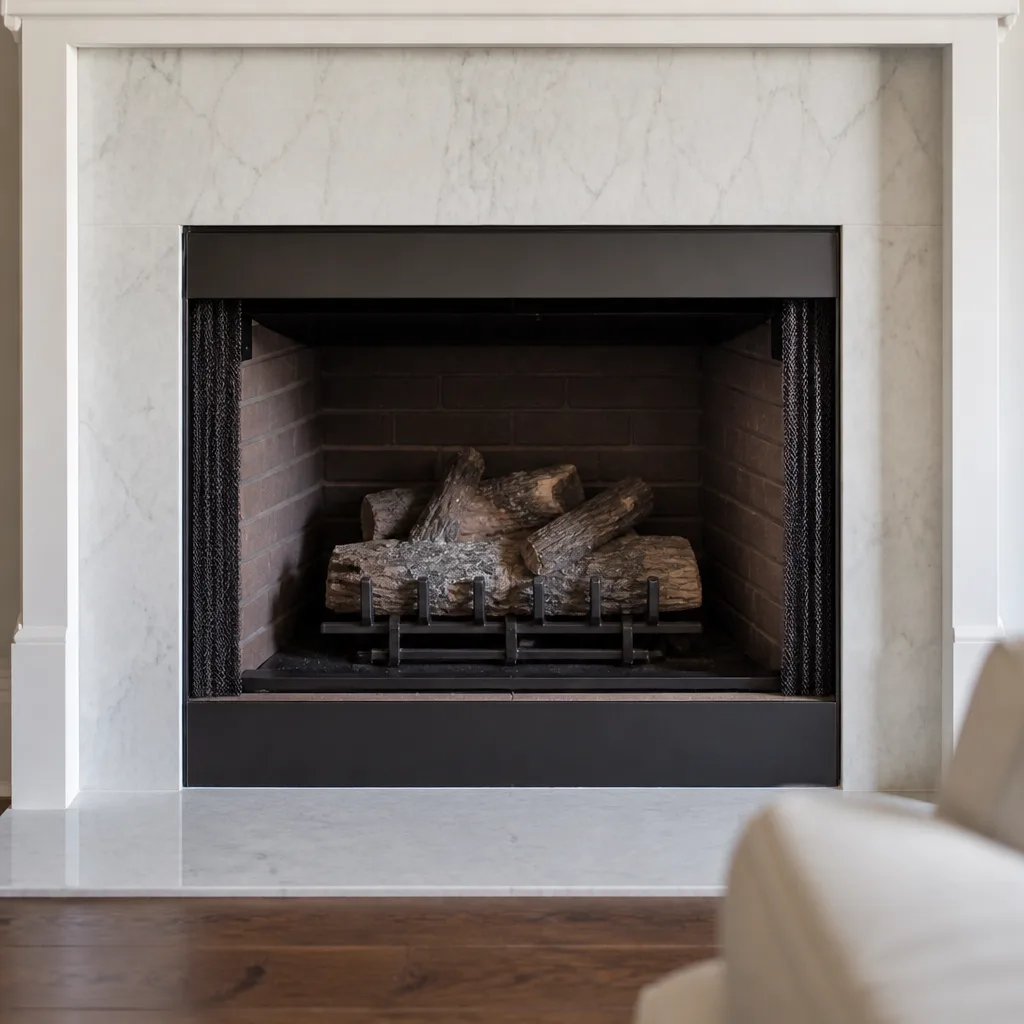 Gas fireplace service
Level 1 sweep and inspection to the NFPA 211 annual standard - flue, crown, cap, and flashing checked and photographed
Chimney sweep logs do not sweep chimneys. They loosen some creosote - which then falls where a brush and vacuum still have to collect it.
Seasonal Chimney Cleaning Care for Lake Forest: Year-Round Homeowner’s Guide
Most chimney advice you’ll find online assumes you live somewhere with four real seasons: snow on the roof, a hard freeze, a spring thaw, a muggy summer. Lake Forest doesn’t work that way. Our winters are mild, our summers are dry and warm, and the biggest seasonal threats to your chimney show up on a calendar that looks nothing like a Vermont homeowner’s. The riskiest time to light a fire here is often the first cold snap of November, right when the flue has been sitting open all summer collecting whatever the wind and wildlife decided to drop into it. This guide replaces the generic “clean in fall, forget it in spring” advice with the actual environmental events Lake Forest homeowners should schedule around, and it explains what a seasonal inspection should catch before each one arrives.
Styles & brands we work with
- Sweep & inspection
- Caps & crowns
- Flue relining
- Masonry repair
- Gas fireplace service
Quick Answer
Seasonal chimney care in Lake Forest works best around four anchor points: a late-summer inspection before Santa Ana wind season, a pre-first-burn sweep in early November, a post-rain flashing and moisture check in late winter or early spring, and a coordinated dryer vent cleaning timed with one of your chimney visits. The goal is not to clean on a fixed calendar date but to make sure the flue is clear and intact before wind season, before the first fire, and after the rainy stretch. A clean chimney with an intact cap and crown handles every season Lake Forest actually throws at it.
Table of Contents
- Why Standard Seasonal Advice Fails in Lake Forest
- Summer: The Season Nobody Thinks About
- Fall: Santa Ana Winds and the Pre-Burn Sweep
- Winter: Shoulder-Season Fires and Creosote Reality
- Spring: Rain, Flashing, and Moisture Intrusion
- How Dryer Vent Cleaning Fits the Calendar
- Common Mistakes to Avoid
- When to Call a Professional
- Frequently Asked Questions
- The Bottom Line
Why Standard Seasonal Advice Fails in Lake Forest
The chimney sweep industry, as a whole, still runs on a New England schedule. Sweep in September. Burn all winter. Inspect in April. Close it up for summer. That rhythm made sense when winters were long enough to produce serious creosote buildup and summers were humid enough to cause condensation problems inside the flue. Lake Forest homeowners who follow it end up doing the right task at the wrong time.
Here is what actually drives chimney risk in Lake Forest, in order of real-world importance:
- Wind-driven debris. Santa Ana winds don’t just knock over patio furniture. They push leaves, twigs, and fine dust into any uncapped or poorly capped flue. A chimney that was clean in September can be half full of dry leaves by late October.
- Open-flue summer habits. Many Lake Forest residents leave the damper open all summer, sometimes without realizing it. That turns the chimney into an open pipe for birds, insects, and dust. We have pulled nests, wasp hives, and enough fine debris to fill a kitchen trash bag out of flues that were spotless in the spring.
- Infrequent but real fires. Lake Forest’s climate means most homes burn wood or gas only on the mildest 10 to 20 nights of the year. That sounds safe, and in some ways it is. But low-volume burning creates a specific type of creosote that is harder to remove than the heavy buildup heavy-use homes produce, and we’ll explain that in the winter section.
- Rain intrusion without freeze damage. We don’t have freeze-thaw cycles to crack masonry, but we do get real rain. Water that sits on a cracked crown or finds its way past flashing does accelerated damage over two or three winters, not ten.
Understanding those four forces is the whole game. Everything else in this guide is about timing your maintenance around them. If you want a chimney sweep who understands the local calendar rather than applying a generic one, that’s the kind of work we do throughout Lake Forest.
Summer: The Season Nobody Thinks About
Summer is when most Lake Forest homeowners ignore their chimney completely, and it’s exactly when the flue is most vulnerable to becoming a storage bin for whatever finds its way in. Birds nest from March through July. Wasps and bees build hives in upper flue tiles through August. Dry leaves and fine dust from nearby landscaping get carried by afternoon breezes into any flue without a proper cap. By late August, a chimney that was swept in the spring can be holding a full wildlife habitat.
The smart move is a late-summer inspection, timed for when nests are done being built but before the first cool night makes you want a fire. Here’s what that visit should include:
- A visual check of the flue interior for nesting material, insect activity, and debris accumulation.
- A cap and screen inspection to confirm nothing has been pulled loose or torn by wind or birds.
- A crown condition check to catch cracks that will let water in during winter rain, before the rainy season starts.
- A damper operation test to confirm it opens and closes fully after a summer of disuse.
We recommend this visit even if you’re not planning to burn much. A late-summer inspection catches problems when they’re small, and a cap and crown check before Santa Ana season means you won’t be surprised by what the wind pushes into your flue. In our experience, this single visit prevents more urgent calls in November than any other maintenance step.
Fall: Santa Ana Winds and the Pre-Burn Sweep
Santa Ana wind season runs roughly from September through November, and it changes the chimney maintenance math. Those winds don’t just blow debris onto your property. They actively push leaves, twigs, and dust into any chimney opening that isn’t tightly capped and screened. A flue that was clean at the end of August can be carrying a noticeable load of dry fuel by the time the first cold night arrives.
That’s why the pre-burn sweep in Lake Forest should happen in early November, not in September. You want the chimney cleaned after wind season has done its worst, not before. Here is the sequence we recommend for fall:
- Late October: Visually check the cap and crown from the ground. Look for missing screens, lifted caps, or visible debris around the flue opening.
- Early November: Book the actual sweep. The flue gets cleaned, the cap gets inspected up close, and the crown gets checked for cracks that winter rain will exploit.
- First burn: Start with a small fire. If you notice any smoke backing into the room or an unusual smell, stop and call before using it again.
We also recommend using a professional-grade cap and cover system rather than a big-box substitute if you’re replacing one. We use what the pros use, including Gelco products for cap and cover work. The difference shows up in Santa Ana season, when a well-made cap with a proper screen holds up to wind-driven debris while a cheap one bends, lifts, or lets birds through.
This is also the best time to book a full Chimney Sweep Lake Forest visit if it has been more than a year since the last one. The goal is a flue that is clean, capped, and dry before the first fire, not after a smoky surprise.
Winter: Shoulder-Season Fires and Creosote Reality
Lake Forest’s winter doesn’t produce the kind of daily, all-day burning that accumulates creosote quickly. Most homes here light a fire on the ten to twenty coldest nights of the year, or on holiday evenings when the fireplace is more about atmosphere than heat. That pattern creates a specific maintenance dynamic that surprises a lot of homeowners.
Low-volume burning produces creosote that tends to be harder and more adherent than the fluffy, brushable buildup that heavy-use homes get. It’s not that there’s less creosote overall. It’s that the creosote that forms during occasional, relatively cool fires is denser and sticks harder to the flue walls. It sits there through the spring and summer, and when you light the next fall’s first fire, that residue is dry and ready to ignite.
The short version: even light fireplace use here means an annual sweep is still the right cadence. If you burn ten fires a year or fifty, the flue should be cleaned annually. The only difference is that light-use homes are more likely to get a clean bill of health at the sweep, which is the outcome you want, not a reason to skip it.
For gas fireplaces, the logic is different but the annual check still matters. Gas doesn’t produce creosote, but it does produce acidic condensation that can corrode flue components over time. A gas fireplace that is never inspected can develop venting issues that push carbon monoxide back into the living space. That’s not a scare tactic. It’s the reason gas fireplace manuals all say the same thing: annual inspection by a qualified technician.
Spring: Rain, Flashing, and Moisture Intrusion
Spring in Lake Forest is the time to look for what winter rain did to the exterior of the chimney system. We don’t get enough cold to crack masonry through freeze-thaw cycles, but water does real work on its own. Rain that sits on a deteriorating crown, finds a gap in the flashing, or seeps behind the cap can start a slow-motion problem that gets worse every year.
Here is what a spring check should cover, after the last significant rain of the season:
- Flashing inspection: Look at the metal where the chimney meets the roof. Lifted, rusted, or separated flashing is a direct water path into the structure.
- Crown condition: The crown is the concrete or mortar surface at the top of the chimney. Hairline cracks widen with each rain, and by the third or fourth winter they’re letting water soak into the masonry below.
- Interior moisture signs: Damp smells from the fireplace, water stains on the ceiling near the chimney, or efflorescence (white powdery deposits) on the brick are all signs water has gotten in.
- Cap tightness: Confirm the cap and screen are still secure after wind season, and that no animal worked at the screen during the winter.
- Fall chimney visit: Add dryer vent cleaning to the November sweep. This clears lint before holiday laundry volume, from family visits and extra bedding, peaks.
- Spring chimney visit: Add dryer vent cleaning if you didn’t do it in fall. Six months of lint from regular laundry use is enough to create a partial clog in many homes.
- Anytime the dryer runs longer than it used to: If a load that used to dry in 45 minutes now takes 75, the vent is telling you something. Book a dryer vent cleaning rather than waiting for the seasonal check.
- Sweeping in September instead of November. An early fall sweep is undone by Santa Ana winds that push debris into the flue throughout October. Wait until wind season has passed, then sweep before the first burn.
- Leaving the damper open all summer. This is the single most common reason we find nests, insects, and heavy debris in Lake Forest flues. Close the damper when the fireplace isn’t in use, and confirm it actually seals.
- Skipping the cap inspection because the chimney “looks fine” from the ground. Cap damage from wind or animal activity is rarely visible from below. An up-close look is the only way to catch it before it becomes a flue full of leaves.
- Assuming light fireplace use means no creosote. Light use produces a harder, more adherent creosote than heavy use. An annual sweep is still necessary even if you only burn ten fires a year.
- Ignoring a damp smell from the fireplace in spring. That smell means water is getting in. Waiting until fall to look at it gives the moisture another full rainy season to work, and the repair gets more expensive.
- Treating the dryer vent as a separate, optional task. The dryer vent produces more structure fires in the average home than the chimney does. Coordinating it with your chimney visit means it actually gets done.
- Replacing a cap or crown with whatever’s cheapest at the hardware store. A cap that fails in the first Santa Ana season costs more in rework than a proper one would have cost up front. Professional-grade materials, residential pricing is the right balance.
If moisture has gotten into the flue tiles, the repair path usually leads to resurfacing rather than replacing. HeatShield is a resurfacing system certified for chimney restoration, and it’s one of the materials we work with for exactly this situation. The alternative, in some older Lake Forest homes, is a full flue rebuild, which is a much larger job. Catching moisture early and resurfacing the affected tiles costs a fraction of what waiting does.
We also recommend a DuraFlex liner evaluation this season if your chimney is older or if you’re planning to use the fireplace more heavily next winter. A DuraFlex flexible liner system is the professional standard for relining, and it solves both the draft problem and the safety problem in a chimney that has lost its original lining.
How Dryer Vent Cleaning Fits the Calendar
Dryer vent cleaning isn’t something most people file under seasonal maintenance, but in Lake Forest it makes sense to tie it to the chimney calendar. Here’s why: every time a technician is already at your home for a chimney service, that’s the lowest-friction moment to have the dryer vent checked too. Both systems are about removing something from your house: the chimney removes combustion gases, the dryer vent removes hot, lint-laden air. Both are fire hazards when they clog.
The seasonal timing that works best for most Lake Forest households:
Your dryer vent is a fire hazard waiting to happen, and Lake Forest homes with longer vent runs or second-story laundry rooms are at higher risk because the lint has more distance to travel and more places to accumulate. We use Famco ventilation products for this work, which are purpose-built for duct and vent applications, not improvised hardware.
Coordinating dryer vent cleaning with a chimney visit simply removes the friction of a second appointment. One visit, two systems checked, and you’re covered for the season.
Common Mistakes to Avoid
When to Call a Professional
Some seasonal tasks are DIY, like visually checking the cap from the ground or noticing when the dryer takes longer than it used to. Anything that requires getting onto the roof, looking inside the flue, or evaluating whether a crack is structural should be handled by a professional. Specific triggers to call: smoke backing into the room when you light a fire, a damp smell from the fireplace that doesn’t go away, visible debris falling into the fireplace when the damper opens, a dryer that’s suddenly running long or hot, or any time it has been more than a year since the last sweep. Chimney Sweep Lake Forest offers free estimates in Lake Forest. Call (833) 589-9146. We answer 24/7. Fast dispatch from 7am to 7pm, Sunday through Friday.
Frequently Asked Questions
Every 12 months, even with light fireplace use. Lake Forest’s burn pattern of occasional, relatively cool fires produces a dense creosote that should be removed annually, and the Santa Ana wind season introduces debris that a seasonal sweep is designed to catch. Call (833) 589-9146 to book your annual sweep, and the estimate is free.
Late summer is when bird and insect nesting season has ended and before Santa Ana winds start pushing debris into uncapped flues. An inspection at this point catches whatever the wildlife left behind and confirms the cap and crown are ready for wind season, so you’re not surprised in November.
Yes. In fact, the creosote that forms during infrequent, relatively low-temperature fires tends to be denser and harder to remove than the fluffy buildup from heavy daily burning. Light use is not an exemption from annual sweeping. It’s just a different type of creosote to remove.
Close the damper completely and make sure it seals. Visually check the cap and crown from the ground once a month or so during spring and summer. If you notice birds near the chimney, insects in the fireplace, or debris falling in when the damper opens, book an inspection rather than waiting for fall. Call (833) 589-9146 for a free estimate.
The easiest approach is to add dryer vent cleaning to your fall or spring chimney visit, since the technician is already at the home. Lint accumulates year-round, not seasonally, so the goal is to clear it at least once a year before it becomes a restriction or a fire hazard.
Most chimneys don’t fail suddenly. They degrade slowly, and the cost to fix them rises in step with the delay. A skipped season means more debris accumulation, more time for moisture to enter through a hairline crack, and more creosote sitting in the flue. The repair that would have been a simple sweep or a cap replacement becomes a resurfacing job or a reline. Call (833) 589-9146 to get a current assessment before another season passes.
The Bottom Line
Seasonal chimney care in Lake Forest is about matching your maintenance to the actual environmental events the city experiences: summer wildlife and open dampers, fall Santa Ana winds, winter’s occasional fires, and spring rain. It’s not about following a generic fall-sweep schedule designed for a harsher climate. A late-summer inspection, an early-November sweep, a spring moisture check, and a coordinated dryer vent cleaning cover the year without overcomplicating it. The materials and methods matter too, which is why we work with professional-tier products like DuraFlex, HeatShield, and Famco rather than hardware-store substitutes. One specialist for the whole job, from sweep to repair to dryer vent, means you’re not juggling multiple companies when something needs attention.
If you’re in Lake Forest and it’s been more than a year since your last sweep, or you’re not sure when it was, call (833) 589-9146. We answer 24/7. Fast dispatch from 7am to 7pm, Sunday through Friday. Estimates are free.
Written by the team at Chimney Sweep Lake Forest, serving Lake Forest since 2015.
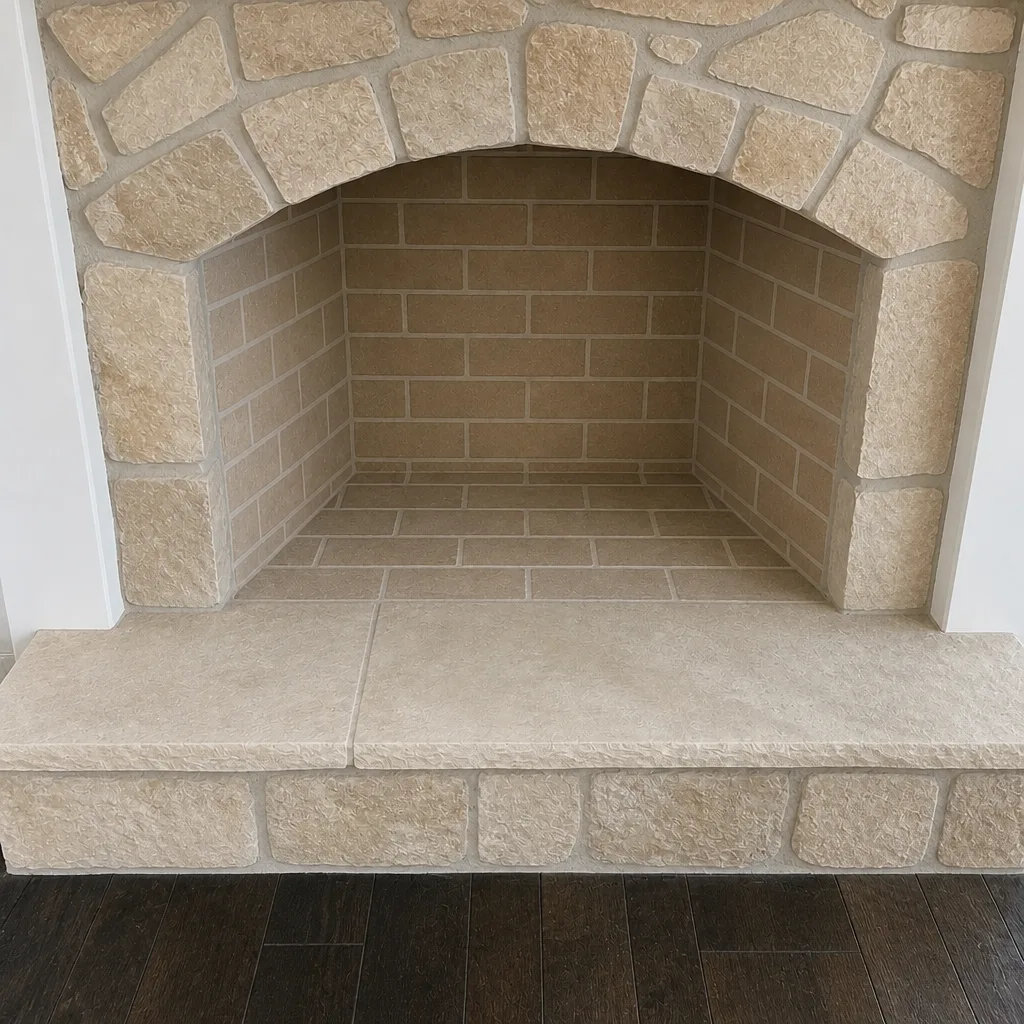
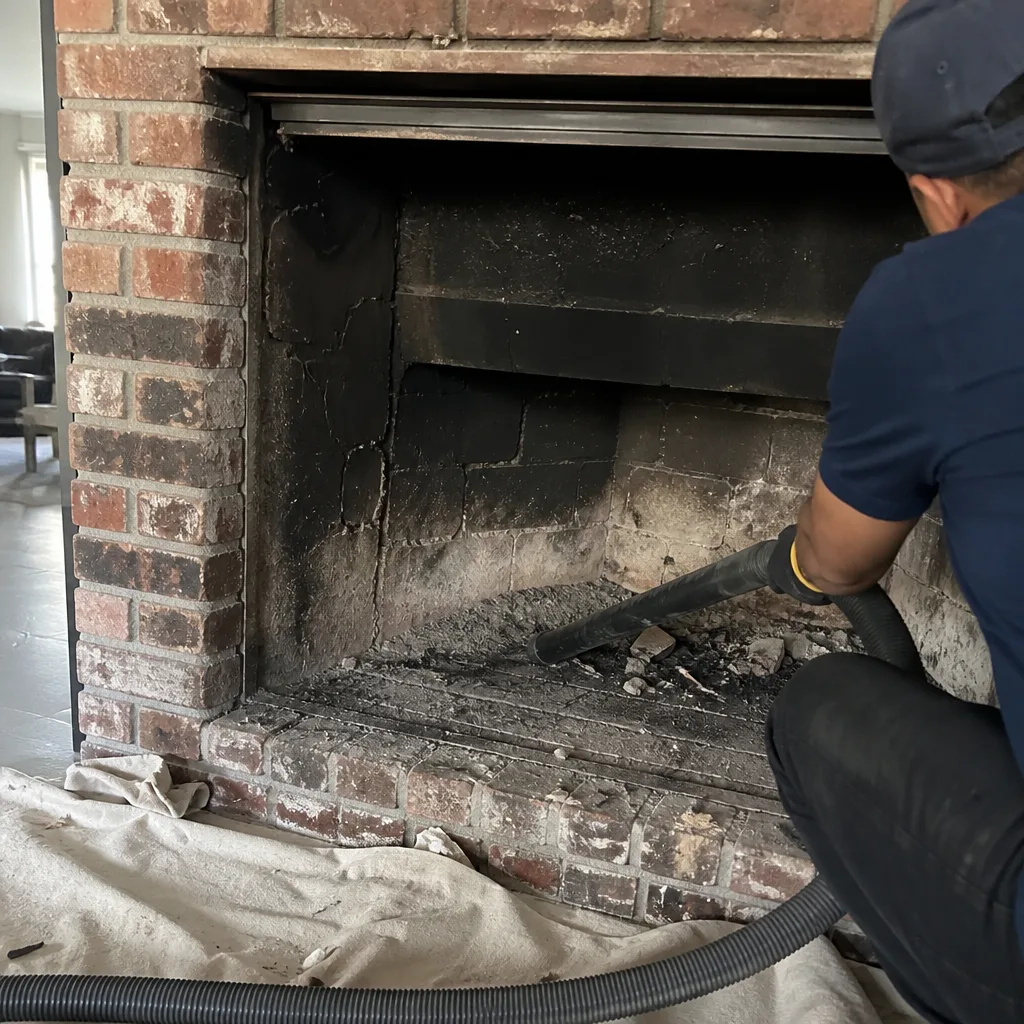
See the difference
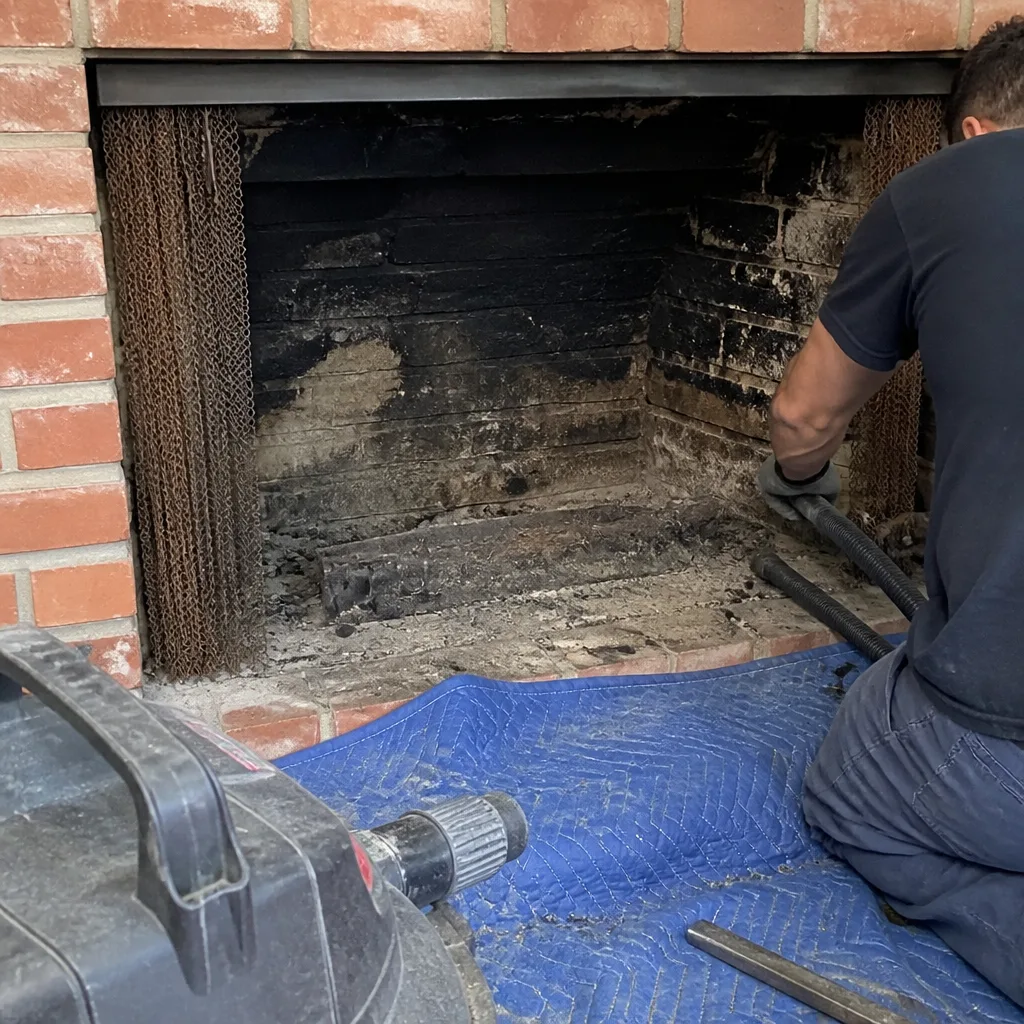 Before
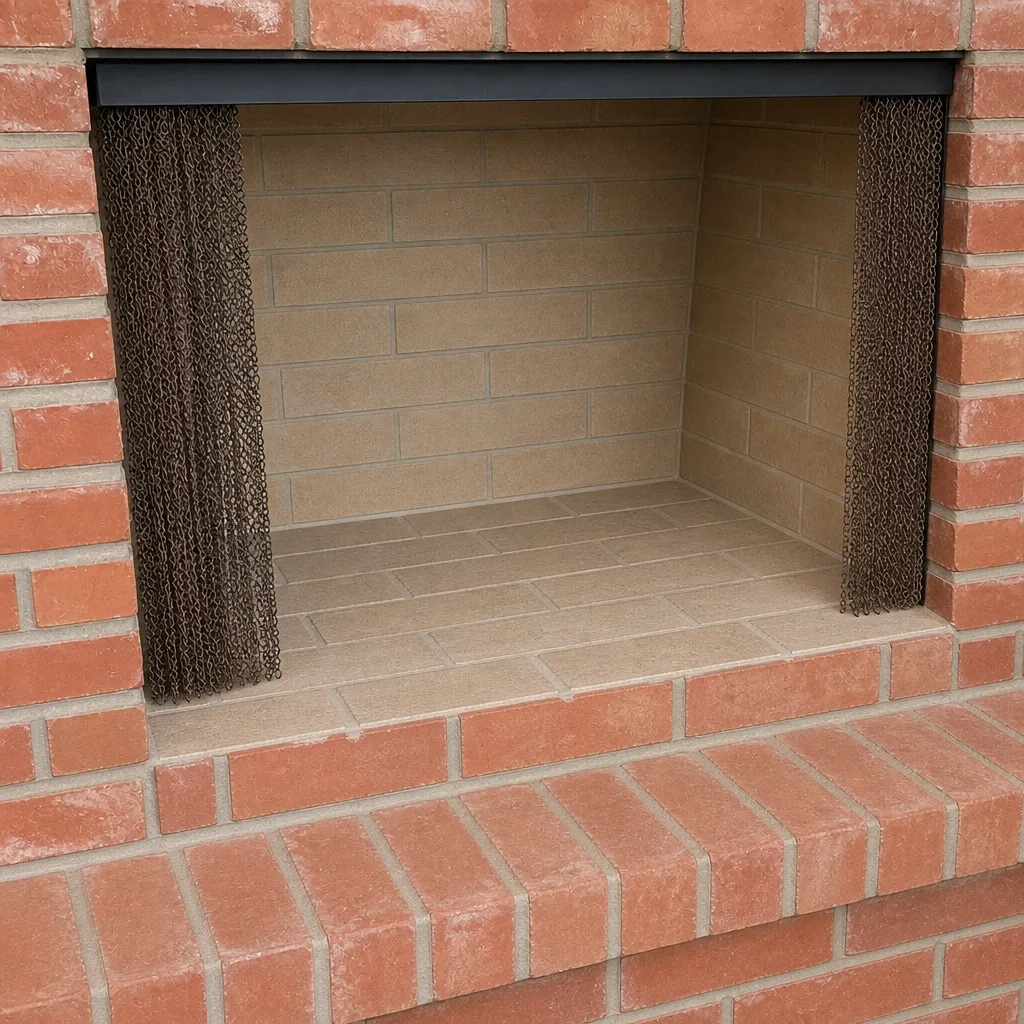 After
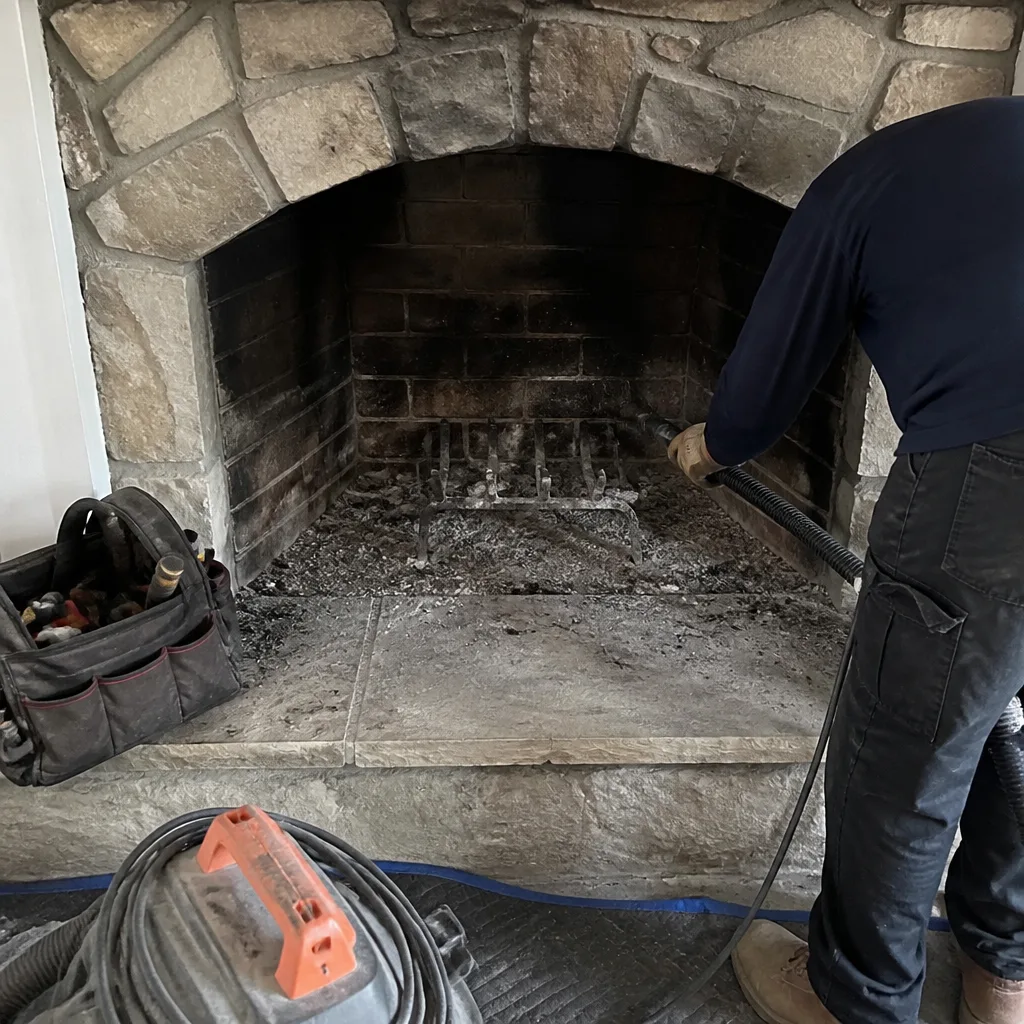 Before
 After
 Before
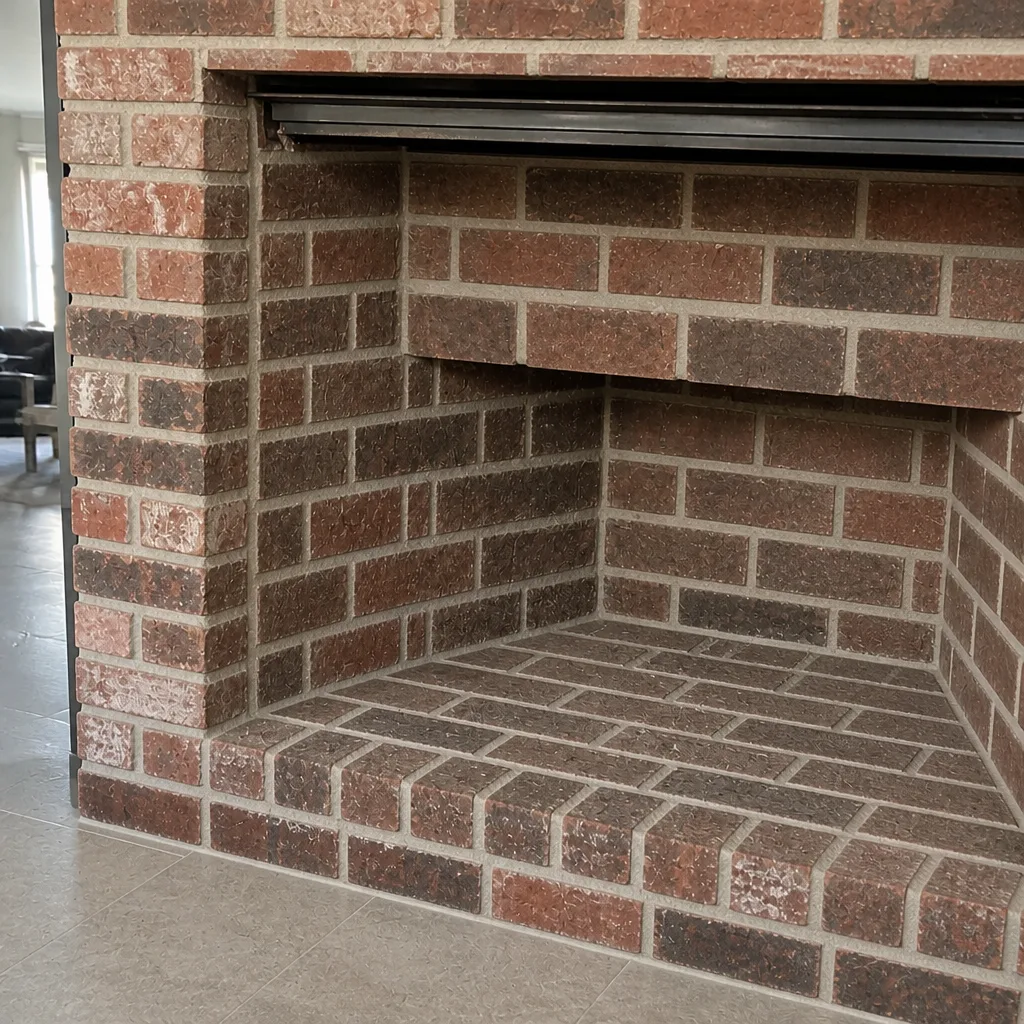 After