
Last updated November 4, 2026
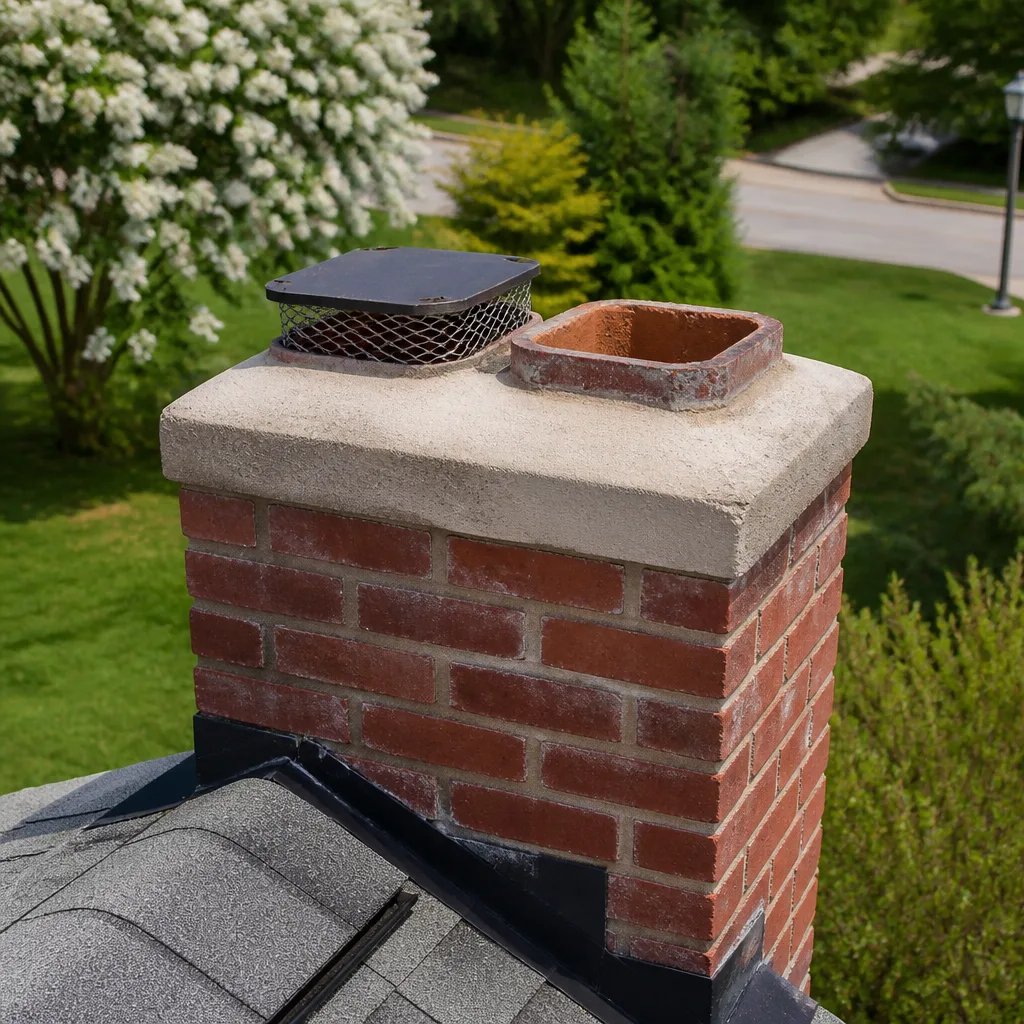 Sweep & inspection
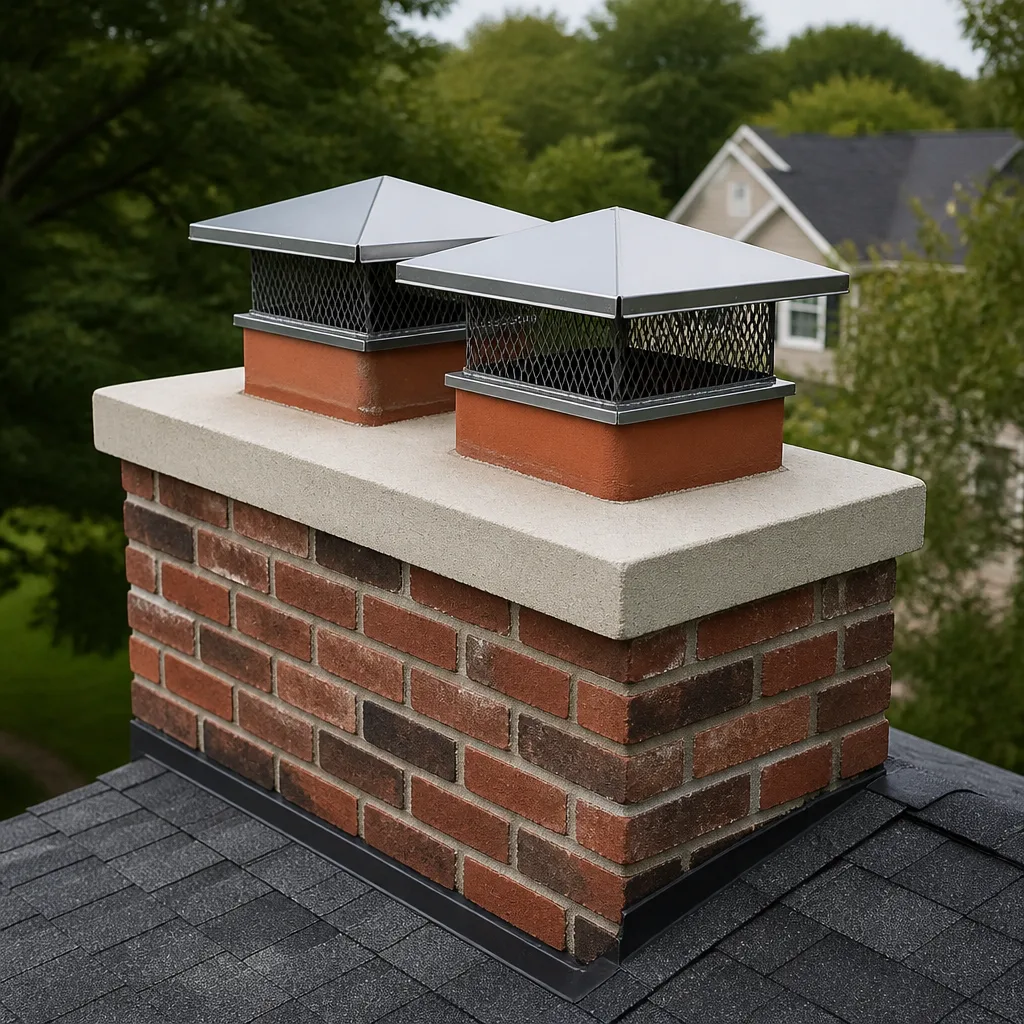 Caps & crowns
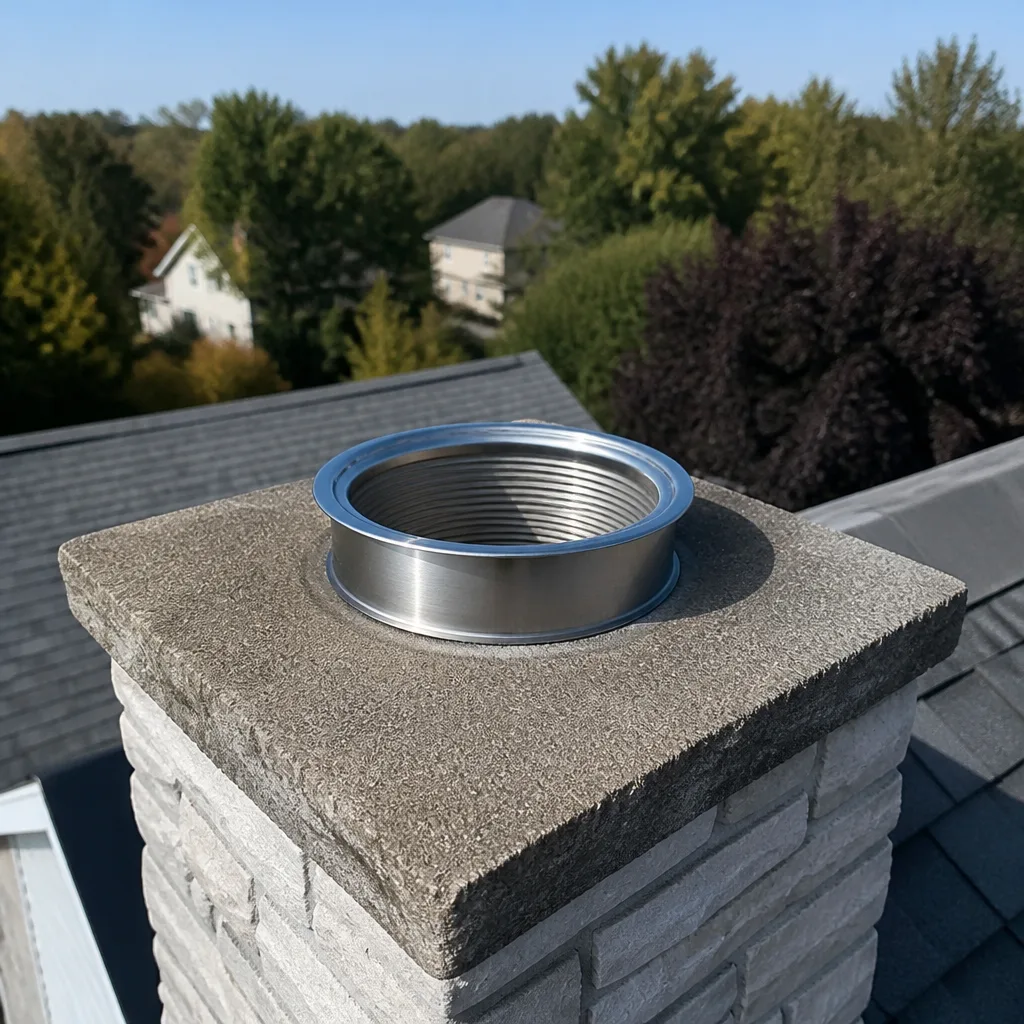 Flue relining
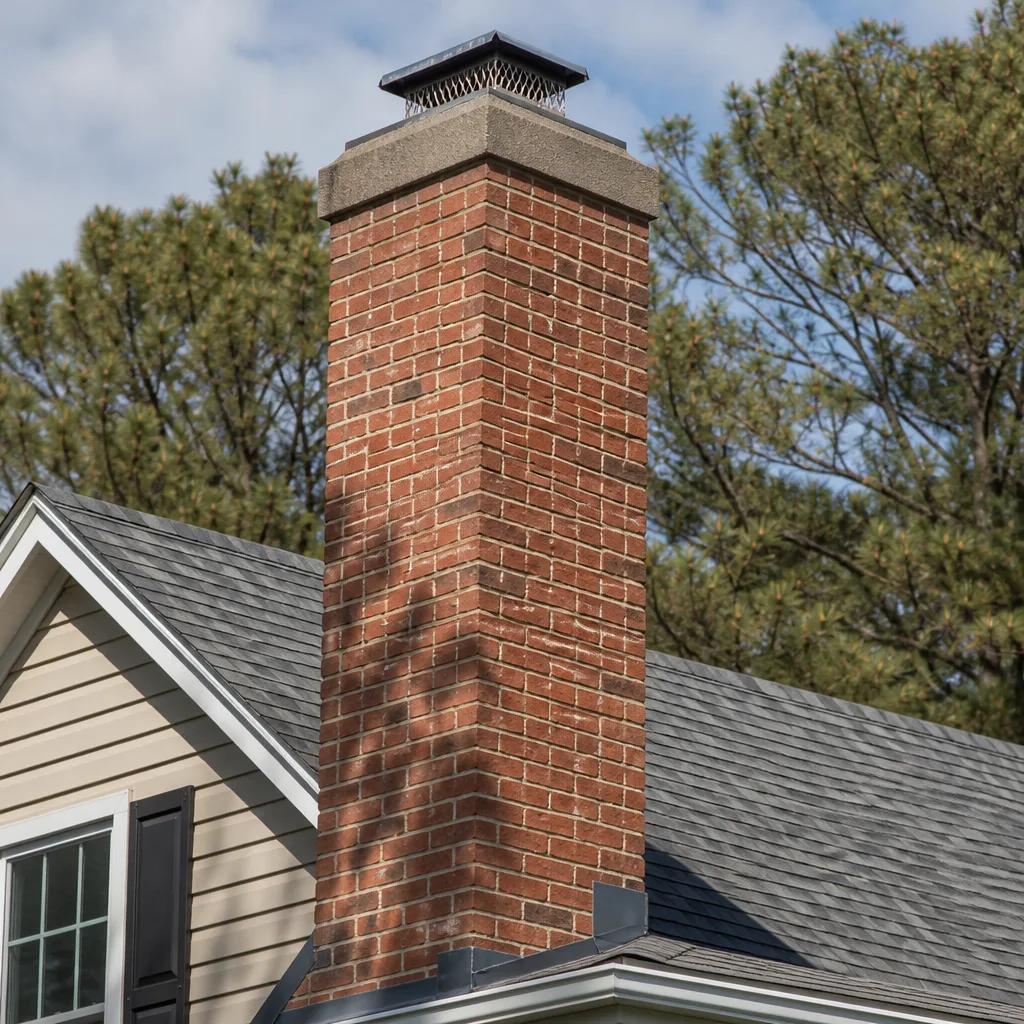 Masonry repair
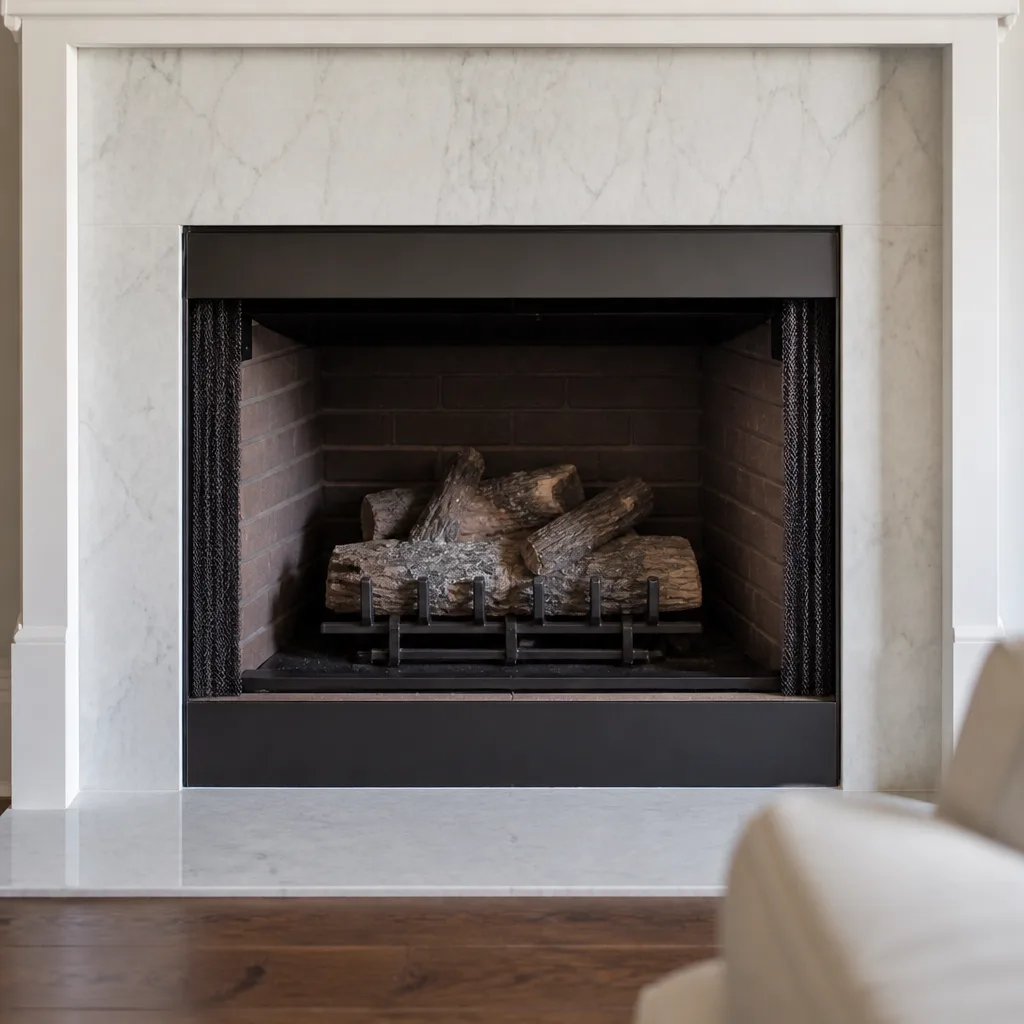 Gas fireplace service
Level 1 sweep and inspection to the NFPA 211 annual standard - flue, crown, cap, and flashing checked and photographed
Chimney sweep logs do not sweep chimneys. They loosen some creosote - which then falls where a brush and vacuum still have to collect it.
Chimney Sweep Maintenance Schedule: What to Do and When
Gas fireplaces don’t produce creosote, but they produce something just as dangerous: a false sense that the flue never needs attention. We hear it often from homeowners in Lake Forest who bought a house with a gas insert and assumed the chimney became decorative the day the gas line went in. The vent still carries combustion byproducts, the cap still keeps rain and animals out, and the crown still weathers in our dry Southern California sun. This guide gives you a maintenance calendar that fits how you actually use your fireplace, not a national average built for wood-burning households in cold climates. By the end, you’ll know exactly what to check, when to sweep, and when something can safely wait.
Quick Answer
A wood-burning fireplace in Lake Forest needs a professional chimney sweep once per cord of wood burned, or at minimum annually before the burning season. A gas insert or gas log set needs an inspection every one to two years to check venting, the cap, and any accumulated debris. Dryer vents should be cleaned every 12 to 24 months depending on household size and dryer use. Decorative or non-burning fireplaces still need a cap and damper check every two to three years.
Styles & brands we work with
- Sweep & inspection
- Caps & crowns
- Flue relining
- Masonry repair
- Gas fireplace service
Table of Contents
- Why Lake Forest Needs Its Own Maintenance Schedule
- Three Maintenance Tracks for Three Fireplace Types
- The Wood-Burning Fireplace Schedule
- The Gas Insert and Gas Log Schedule
- The Dryer Vent Cleaning Schedule
- Fire Season, Santa Ana Winds, and Your Chimney Cap
- What You Can Safely Inspect Between Professional Visits
- A Five-Year Maintenance Table
Why Lake Forest Needs Its Own Maintenance Schedule
Most chimney maintenance advice online was written for places where people burn wood daily for five months straight. Lake Forest doesn’t fit that profile. Our winters are mild, our fireplaces are often used for ambiance rather than survival heat, and a large share of homes either converted to gas or never burned wood at all. That changes the math. A household that burns half a cord per year produces far less creosote than one burning four cords, but it still faces the same exterior exposure: sun, wind, nesting birds, and the fine dust that Orange County air carries. The schedule should reflect actual use, not a generic calendar.
What also matters in Lake Forest is the seasonal timing of inspections. Unlike cold-climate homes that do everything in late summer, our strongest reason to check the cap and crown comes before the Santa Ana wind season and before peak fire season. A loose spark arrestor or cracked crown matters more when embers are drifting and winds are gusting 40 miles per hour. We’ll cover that timing in detail below.
Three Maintenance Tracks for Three Fireplace Types
Rather than one blanket rule, we break Lake Forest chimneys into three groups. Each has its own schedule because each has different failure modes.
Track 1: Occasional Wood-Burning Fireplace
This is the homeowner who burns a fire on cool winter evenings, maybe a half cord to a full cord per year. Creosote accumulates slowly but it does accumulate. The risk isn’t just buildup; it’s also what happens during the long idle months. Moisture, soot, and time can combine into a hardened glaze that’s harder to remove later. Sweep once per cord of wood, or at minimum once per year before the season starts.
Track 2: Gas Insert with Logs
A gas insert produces no creosote. What it does produce is acidic condensation that can corrode older flue liners, plus dust, spider webs, and occasional bird or rodent debris that falls into the vent. The false sense of security here is real. Gas appliances vent carbon monoxide, and a partially blocked vent is a serious matter. Inspect every one to two years, even if the flames look perfect.
Track 3: Decorative or Non-Burning Fireplace
Some Lake Forest homes have a fireplace that never gets used, or only holds candles and decor. The inside of the flue stays clean, but the outside doesn’t. Caps rust, crowns crack, dampers seize, and rain gets in. A visual exterior check every two to three years is enough, but don’t skip it indefinitely. Water intrusion in an unused chimney still damages the firebox, the damper, and eventually the surrounding drywall.
The Wood-Burning Fireplace Schedule
Here’s the full annual rhythm for a wood-burning homeowner in Lake Forest, starting in early autumn when the first cool evening makes you reach for the firewood.
- Early fall (September to October): Book a professional sweep before the first fire. This clears creosote from last season and verifies the damper opens and closes properly.
- At the same visit: Have the cap, crown, and flashing inspected. This is the pre-Santa Ana check. A loose cap or cracked crown should be repaired before wind season, not after a storm blows pieces into the yard.
- Mid-season (January): If you’ve burned more than a cord by now, schedule a second sweep. Most Lake Forest households won’t hit that mark, but heavy users should track it.
- End of season (March to April): Let the firebox cool completely, then close the damper tightly. A closed damper keeps conditioned air in and keeps nesting birds out during spring.
- Summer (June to August): A visual check of the exterior from the ground. Look for rust on the cap, cracks in the crown, or vegetation touching the chimney. If you’re not sure what you’re seeing, leave it for the next professional visit.
If you burn manufactured logs instead of cordwood, the rules change slightly. Manufactured logs burn cleaner and produce less creosote, but they produce a waxy residue that can coat the flue. Sweep once per year regardless, and never burn more than one manufactured log at a time.
The Gas Insert and Gas Log Schedule
Gas fireplaces are the most common setup we work with in Lake Forest, and they’re the ones most often neglected. The logic is understandable: no smoke, no soot, no creosote, so no problem. The vent still needs to carry combustion gases, and anything that reduces the vent’s opening creates risk.
Here’s what a gas insert schedule looks like:
- Every 1 to 2 years: Professional inspection of the vent system, the termination cap, and the gas log set for proper flame pattern and burner function.
- Every 3 to 5 years: Clean the blower fan if your insert has one. Lake Forest’s dry dust settles into the fan housing and reduces airflow, which makes the fan work harder and the room feel cooler.
- Annually, yourself: Look at the exterior vent cap for debris, spider webs, or bird activity. Listen for any change in fan noise.
- Immediately: If you smell gas, or if the flame burns yellow and lazy instead of blue and sharp, shut it off and call a professional. This is a gas appliance; don’t treat it like a decorative lamp.
One more note on gas inserts: the fireplace blower, if present, is a small electric fan that pushes warm air into the room. It doesn’t need chimney cleaning, but it does need dust removal. We’ll often clean a blower during a routine chimney visit since the access panel is right there.
The Dryer Vent Cleaning Schedule
Lint is creosote’s less dramatic cousin, and it causes more house fires than chimneys do. The schedule depends on household size and dryer type.
- Household of 1 to 2 people, standard dryer: Clean every 18 to 24 months. Lint accumulates slowly, and the vent stays clear longer.
- Household of 3 to 5 people, standard dryer: Clean every 12 to 18 months. More loads, more lint, more frequent attention.
- Large household or heavy towel use, any dryer: Clean every 12 months. Towels and bedding generate the most lint by volume.
- Gas dryer, any household: Annual cleaning plus an annual check that the vent termination flap opens fully. The stakes are higher with a gas burner involved.
Signs you’re overdue: clothes take longer than 45 minutes to dry, the laundry room feels humid after a cycle, or the outdoor vent flap doesn’t open when the dryer runs. None of these is subtle, and all of them mean airflow is restricted.
We use Famco ventilation products on the dryer vent cleaning jobs we do, because a flimsy vent cap or cheap connector is the weakest point in the system. The schedule itself matters more than the brand names, but it’s good to know a Lake Forest home doesn’t have to settle for hardware-store parts when the vent needs a replacement cap or cover.
Fire Season, Santa Ana Winds, and Your Chimney Cap
Most chimney guides tell you to inspect the cap in spring, after winter ice has done its damage. Lake Forest has a different calendar. We don’t get freeze-thaw cycles here, so the cap isn’t fighting ice. What it does fight is relentless UV exposure, dry winds, and the occasional ember from a wildfire. The inspection should happen in early fall, before the Santa Ana season starts, not after it ends.
A spark arrestor on the cap exists to keep embers from leaving your chimney. During Santa Ana events, the wind carries embers far further than normal, and a damaged or missing spark arrestor turns a cozy fire into a quiet hazard. A loose cap also rattles in high wind, and that noise is usually the first thing a homeowner notices. If you hear metal clanking when the wind picks up, the cap needs attention.
Chimney cap and crown work in our area is handled with Gelco products, which are built for exposure and fit standard residential flue sizes. The point of the schedule is to catch a loose or rusted cap in September, so it’s secured before the first big wind, not to scramble after a piece of it ends up in a neighbor’s yard.
What You Can Safely Inspect Between Professional Visits
You don’t need to be a sweep to know when something has changed. Here are three things any Lake Forest homeowner can check without a ladder or special equipment.
- Cap condition from the ground: Walk to the street or the far side of the yard and look at the chimney top. You’re checking for rust stains, a tilted cap, or missing mesh. If anything looks different from last time, note it.
- Damper operation: With the firebox cold, open and close the damper a few times. It should move smoothly and seat fully. A damper that sticks or won’t close completely is a sign of rust or warping. Leave it half-shut is not a fix; it’s a draft leak and an animal entry point.
- Smoke chamber soot level: Shine a flashlight up past the damper. If you see more than 1/8 inch of black, flaky buildup, it’s time for a sweep. If you see shiny, tar-like glaze, that’s stage-three creosote and it needs professional removal sooner rather than later.
If any of these checks raises a question, don’t climb up to investigate further. A steep roof and a chimney chase are not the place to test your balance. A professional can put eyes on it safely and give you an honest read.
A Five-Year Maintenance Table
This table shows how a typical Lake Forest fireplace and dryer vent sequence plays out over five years for a household with a gas insert and a standard dryer. If you burn wood, shift the sweep column to annual.
| Year | Chimney / Fireplace | Dryer Vent | Notes |
|---|---|---|---|
| Year 1 | Full inspection, sweep if wood-burning | Clean vent | Baseline year. Establish system condition. |
| Year 2 | Gas vent inspection, blower cleaning | Check vent; clean if drying slower | Cap and crown re-check before fire season. |
| Year 3 | Full sweep or gas inspection per type | Clean vent | Damper and smoke chamber re-check. |
| Year 4 | Cap and crown inspection prioritized | Check vent; clean if needed | Santa Ana prep year. Secure everything. |
| Year 5 | Full sweep or gas inspection; evaluate liner if wood-burning | Clean vent | Five-year marker. Ask for a straight condition report. |
The sequence matters because different components wear at different rates. A cap needs attention more often than a flue liner. A dryer vent needs cleaning more often than a gas insert needs inspection. Staggering the visits spreads the cost and keeps you from going years without looking at one part of the system.
When a sweep does uncover a problem, the fix often involves a liner issue or flue tiles that are starting to spall. In those cases, we work with DuraFlex flexible liner systems and HeatShield resurfacing, the same professional-grade materials used by certified chimney contractors. The point isn’t to upsell; it’s that you don’t need to call a second company if the inspection finds something. Sweep, inspect, repair, all under one roof.
Common Mistakes to Avoid
- Skipping the sweep because you have a gas insert: Gas appliances still vent through the chimney. A blocked vent is a carbon monoxide risk, not a cosmetic issue.
- Cleaning the chimney in spring and assuming fall is covered: In Lake Forest, the critical window is before Santa Ana season. A spring cleaning doesn’t guarantee the cap hasn’t rusted or loosened by September.
- Closing the damper halfway to “let a little air in”: A half-open damper is a bird entry point and a heat-loss hole. It’s open for a fire, closed when the firebox is cold, and never halfway as a permanent setting.
- Using the fireplace as a trash burner: Wrapping paper, cardboard, and junk mail burn hot and fast, and they send sparks and lightweight debris up the flue. Only burn seasoned cordwood or the specific manufactured log your fireplace was designed for.
- Ignoring a slow dryer: The dryer still gets the clothes dry eventually, so the vent cleaning slides to next year. Longer dry times are the earliest and clearest signal of restricted airflow, and restricted airflow is a lint fire waiting for an ignition source.
- Painting over a rusty damper instead of replacing it: Rust is the failure, not the appearance. Paint hides it for a season and then the damper seizes for good.
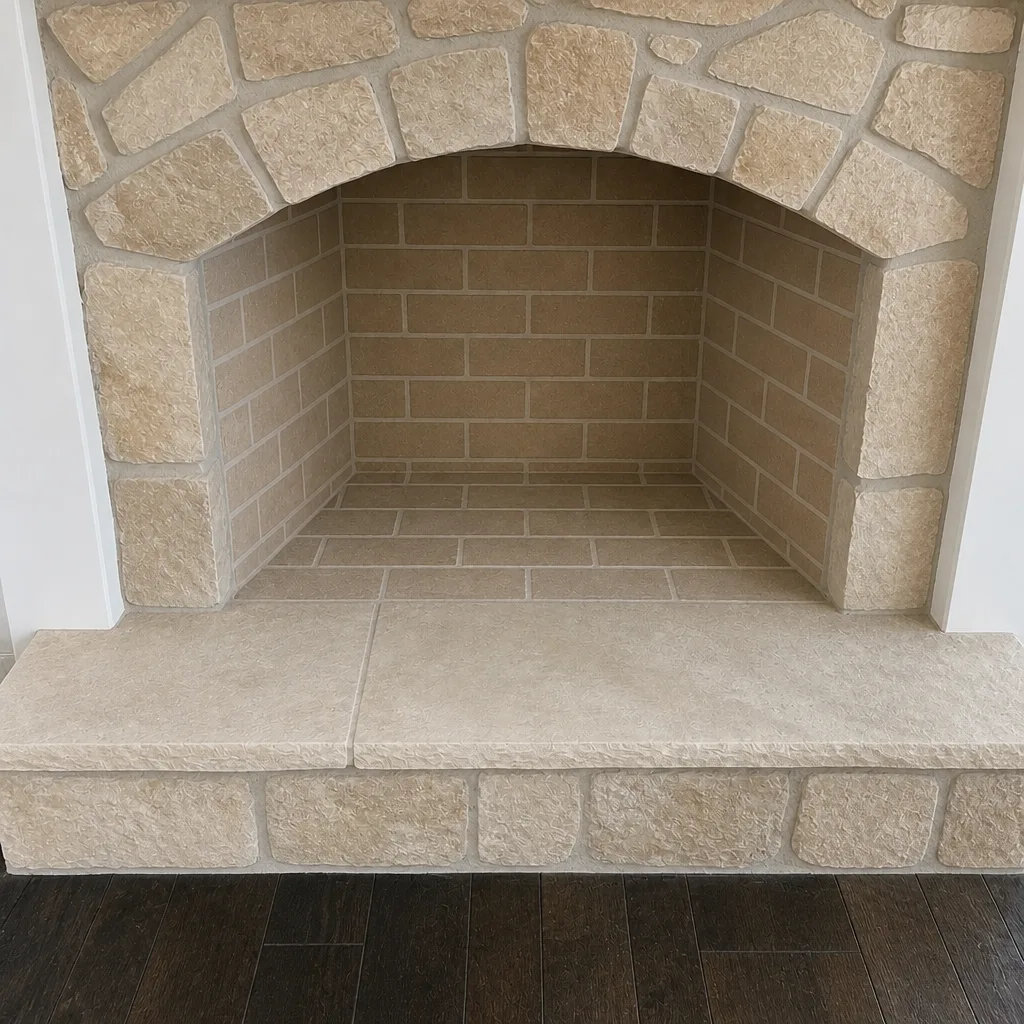
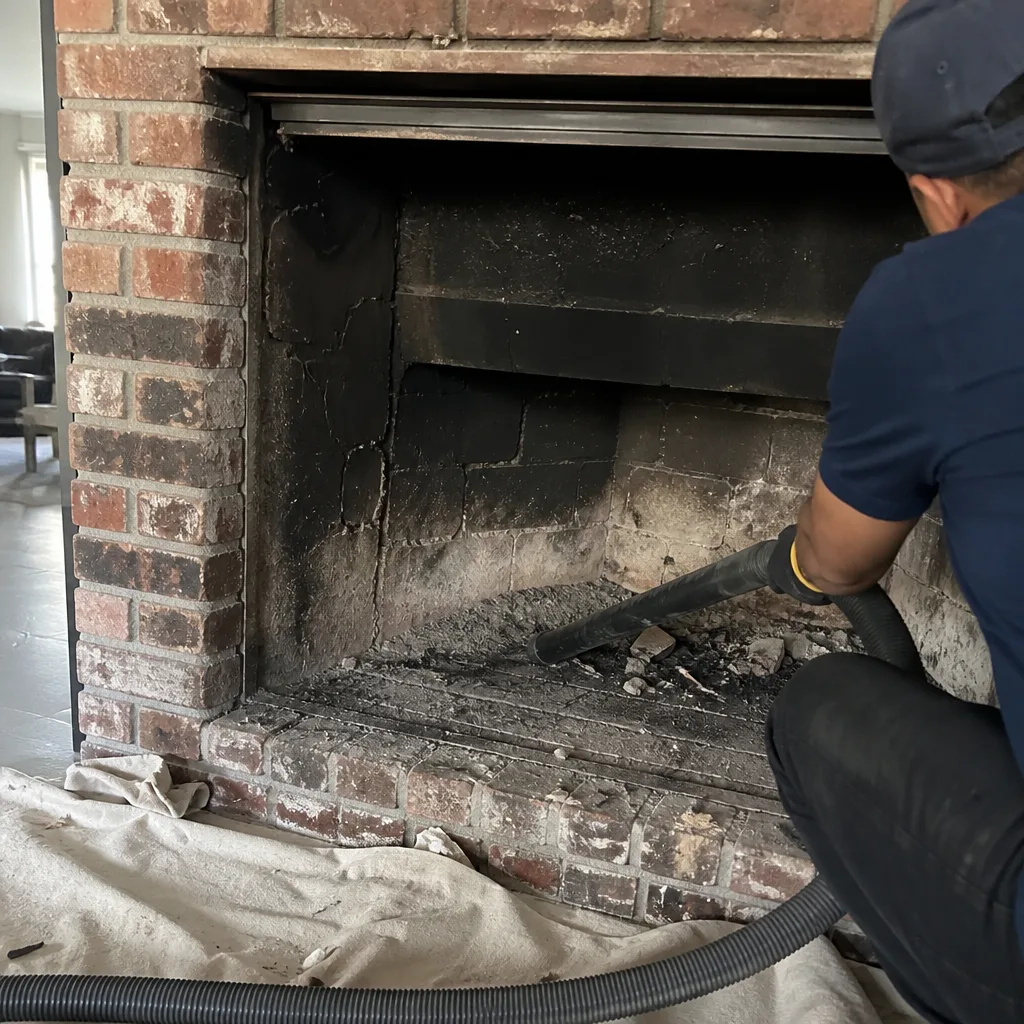
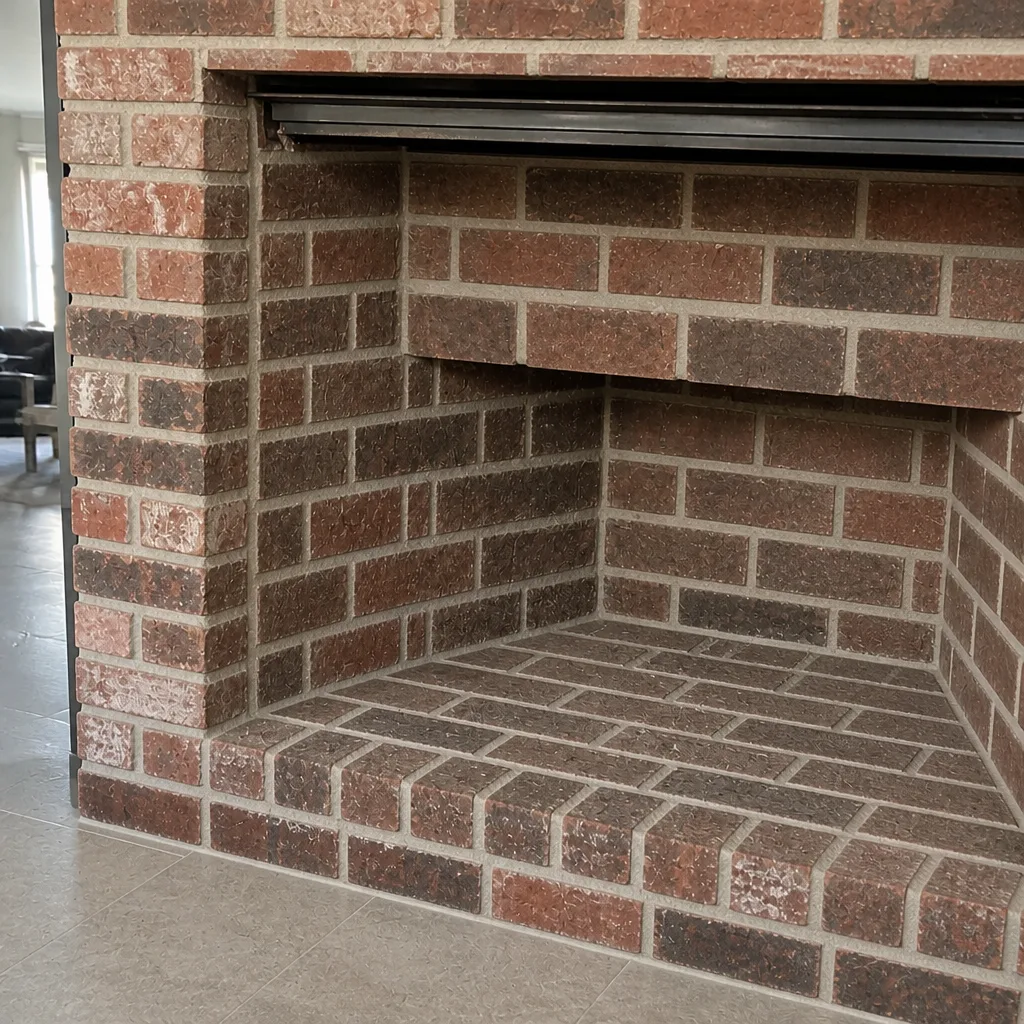
See the difference
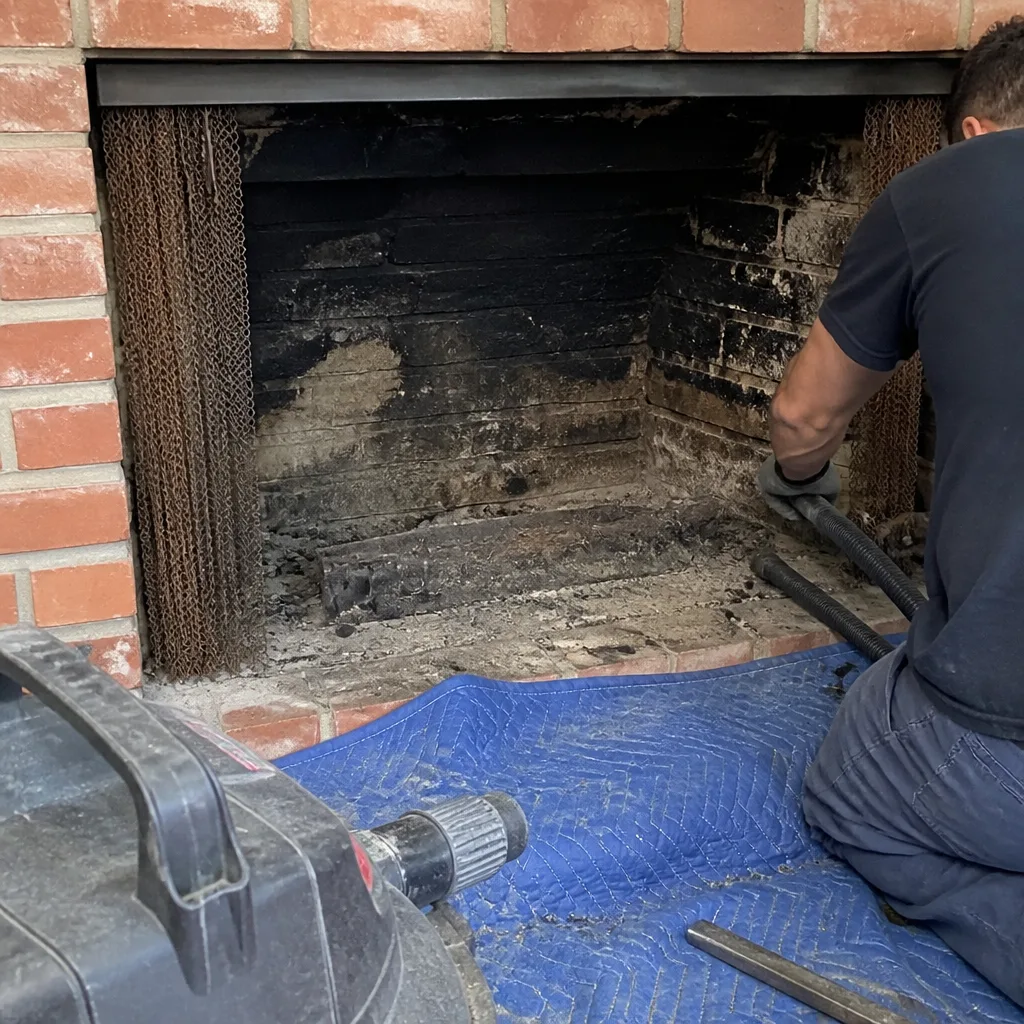 Before
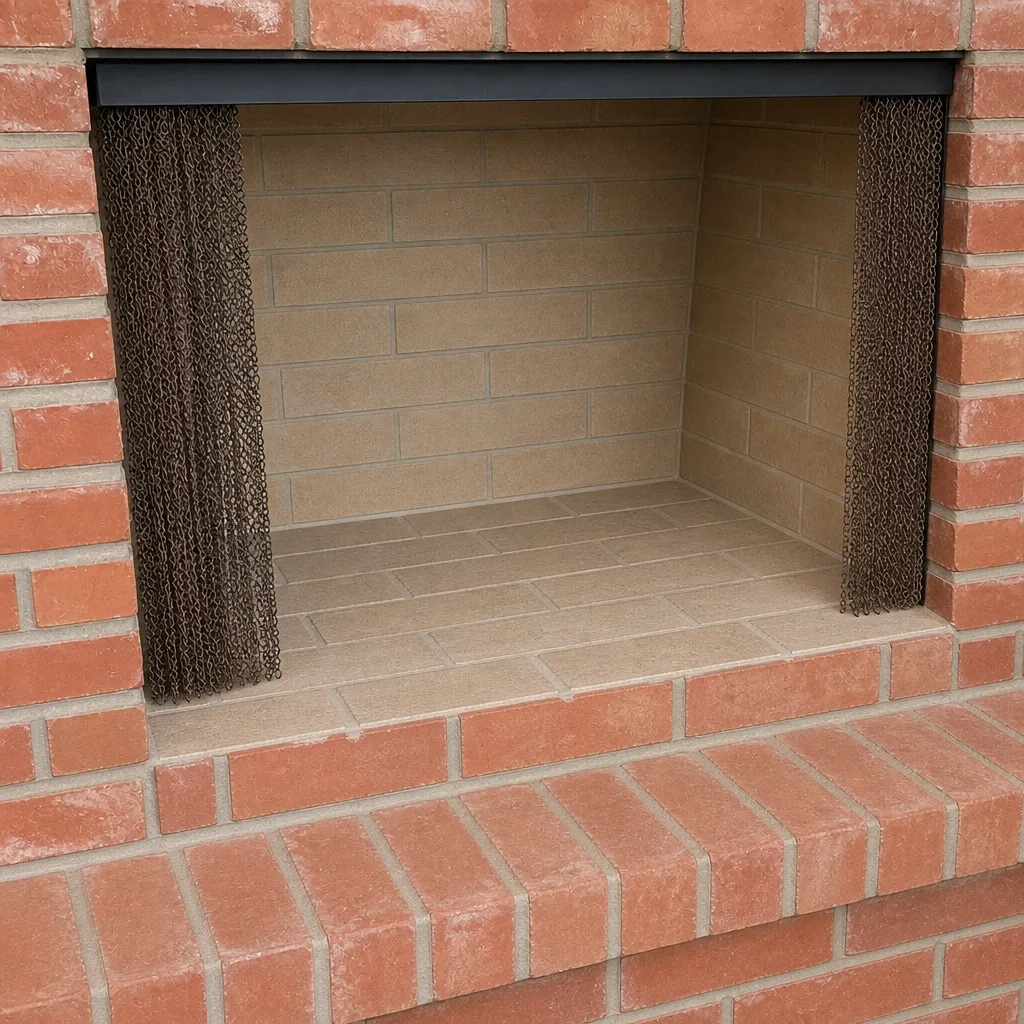 After
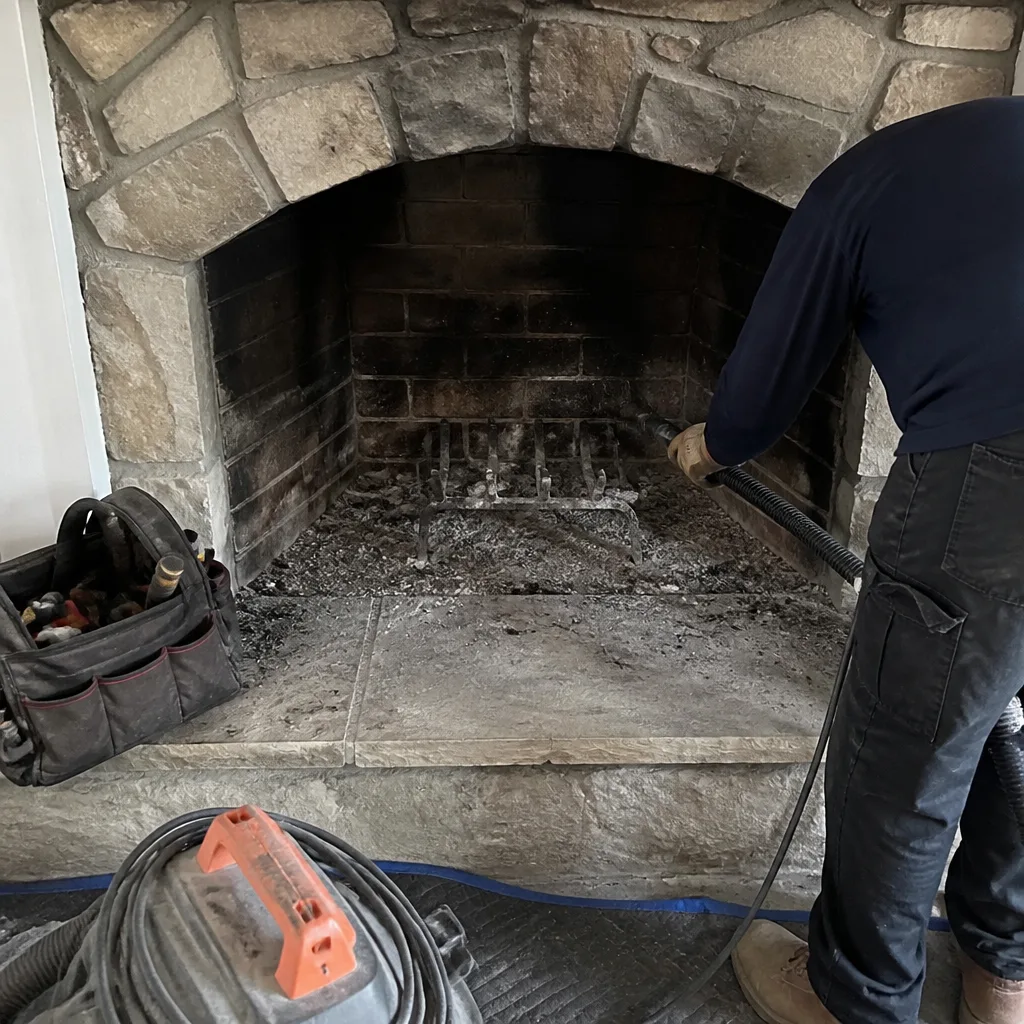 Before
 After
 Before
 After
When to Call a Professional
Call if you see more than 1/8 inch of creosote in the smoke chamber, if the damper won’t open or close fully, if you smell gas from a gas fireplace, if the cap is visibly loose or rusted through, or if your dryer takes longer than 45 minutes per load. Those are the specific signals we listed above, and they’re the ones that actually matter. None of them needs a heroic DIY fix, and a few of them are dangerous to ignore. Chimney Sweep Lake Forest offers free estimates in Lake Forest. Call (833) 589-9146. We answer 24/7. Fast dispatch from 7am to 7pm, Sunday through Friday.
Frequently Asked Questions
A wood-burning chimney should be swept once per cord burned or at least once per year, whichever comes first. A gas fireplace chimney needs an inspection every one to two years rather than a traditional sweep. Decorative fireplaces need a cap and damper check every two to three years. Call (833) 589-9146 for a free estimate. We answer 24/7.
Gas fireplaces don’t need creosote removal, but they do need vent inspection and cleaning of debris, dust, and any animal nesting material that blocks the flue. Carbon monoxide vents through that same chimney, so a clear vent is a safety requirement, not a preference. Have it checked every one to two years.
A standard chimney sweep in Lake Forest typically runs between $180 and $340 depending on the fireplace type and the amount of buildup. A gas insert inspection is usually less. The written estimate sets the exact price, and estimates are free. Call (833) 589-9146 for a quote.
If a sweep recommends a new liner, ask to see the camera footage. A professional who suggests a liner or resurfacing should be able to show you the cracks, spalling, or gaps on a monitor. We use DuraFlex liner systems and HeatShield resurfacing when a liner or flue tile problem is confirmed on camera. Nothing gets recommended without visual proof you can see for yourself.
Every 12 to 24 months depending on household size. A one-to-two person household can often go 18 to 24 months. Families of three or more, or anyone with a gas dryer, should stick to 12 months. If clothes take longer than 45 minutes to dry, the vent is overdue now.
In a Lake Forest home with a gas insert, the most common outcome is a blocked vent from debris or animal nesting, which can push carbon monoxide back into the house. In a wood-burning fireplace, creosote builds up and hardens, making it harder to remove and more likely to ignite. A cap that rusts through lets rain in, which damages the firebox and damper. Skipping a year isn’t a catastrophe, but skipping five years often is. Call (833) 589-9146 to get a baseline inspection.
The Bottom Line
The right chimney maintenance schedule for Lake Forest isn’t the generic annual sweep you’ll find on national websites. It’s three tracks: wood-burning, gas insert, and decorative. Wood-burning fireplaces get swept per cord and before fire season. Gas inserts get vent inspections every one to two years. Decorative fireplaces get cap and damper checks every two to three years. Dryer vents run on their own clock of 12 to 24 months. The Santa Ana season, not winter ice, is what should time your cap and crown inspections. Do the ground-level visual checks between visits, and call a professional when you spot more than a minor change. That’s the whole system in one paragraph.
Written by the team at Chimney Sweep Lake Forest, serving Lake Forest since 2015.