
Last updated November 4, 2026
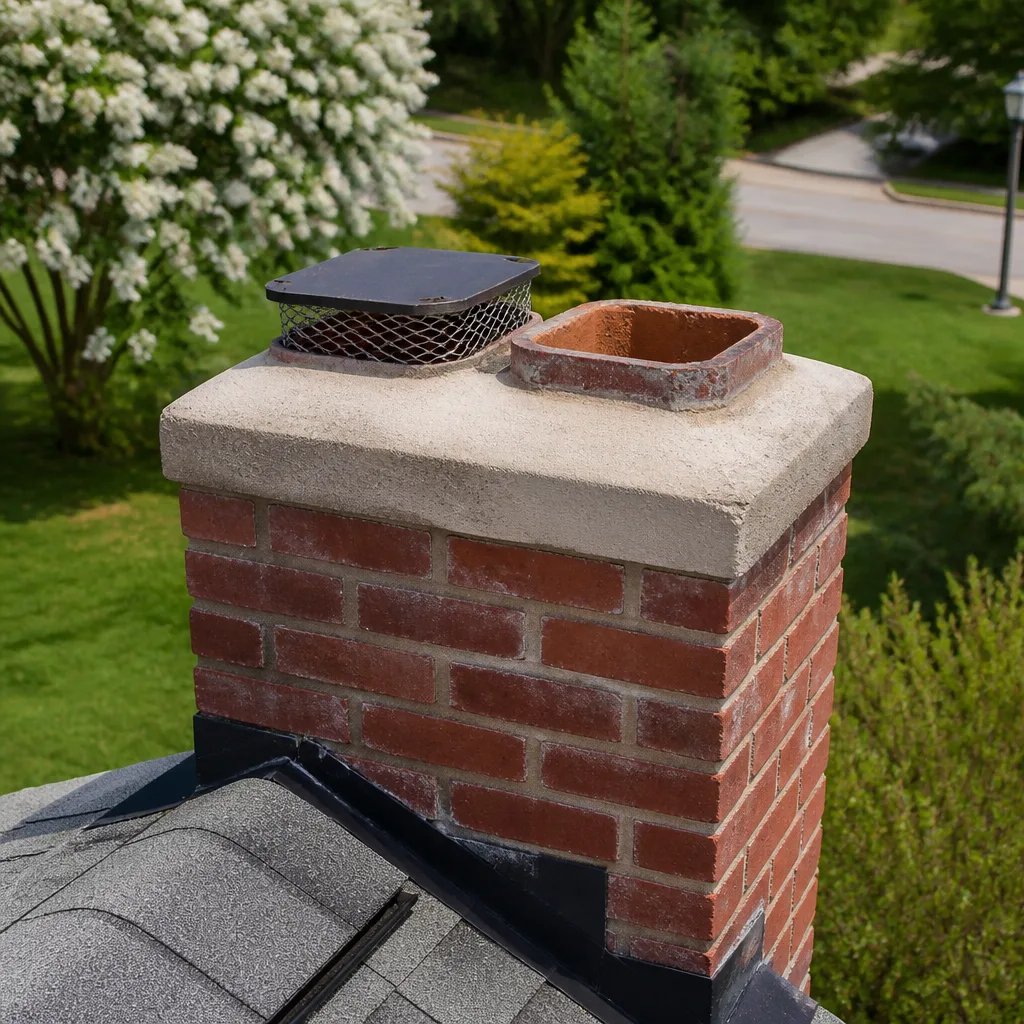 Sweep & inspection
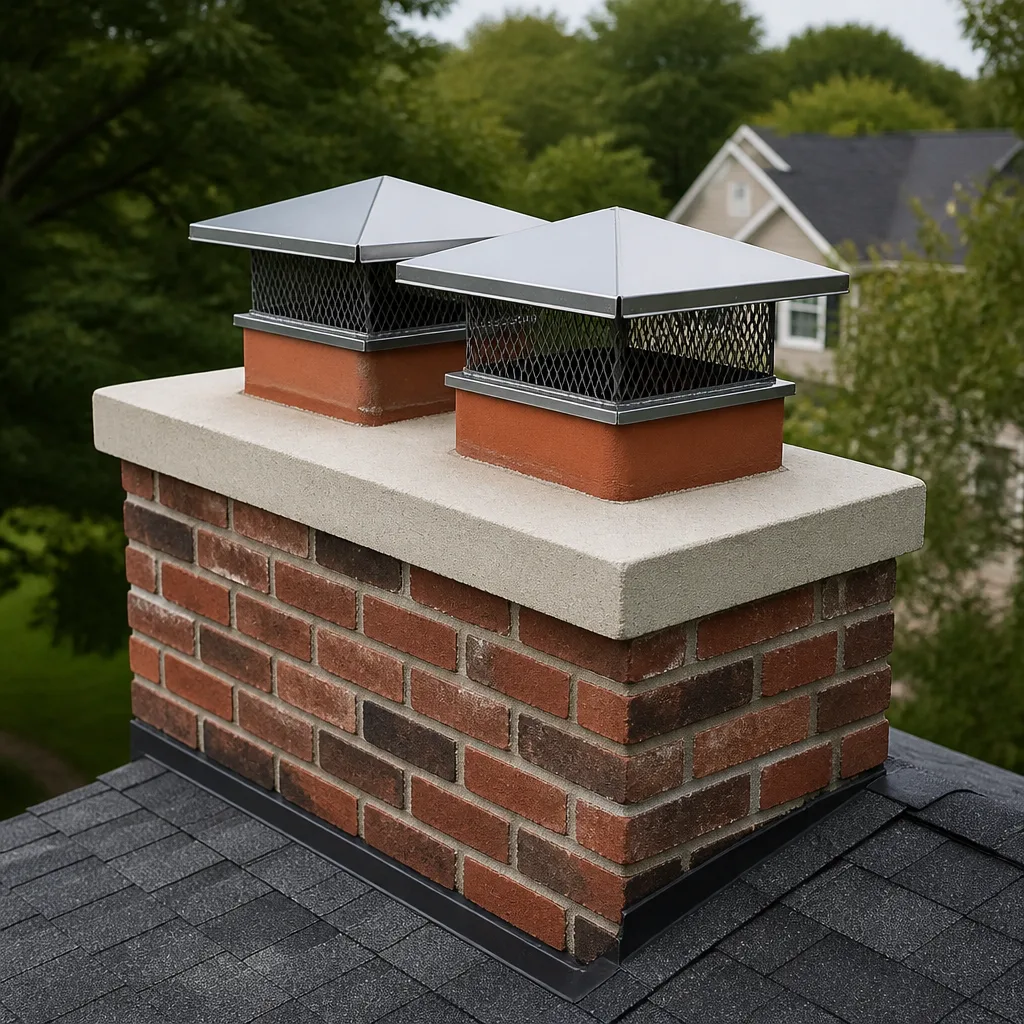 Caps & crowns
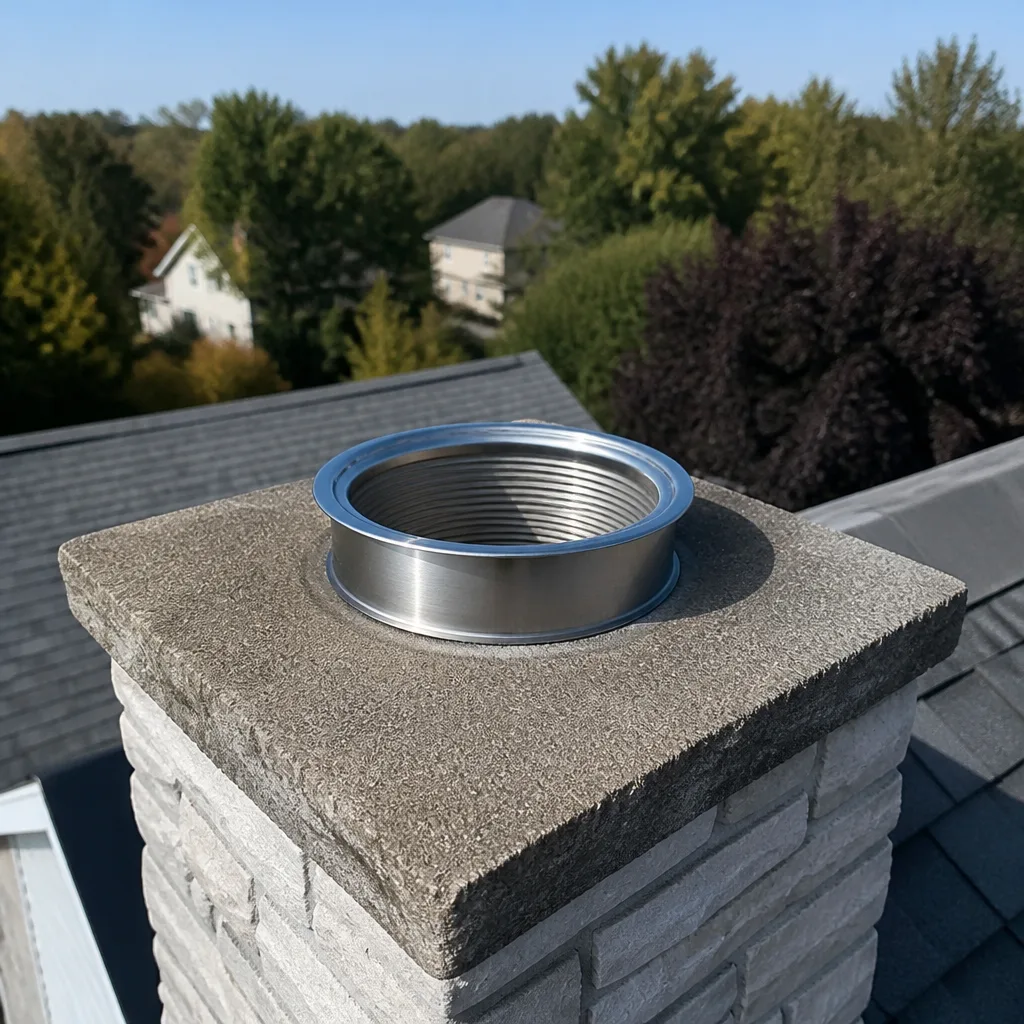 Flue relining
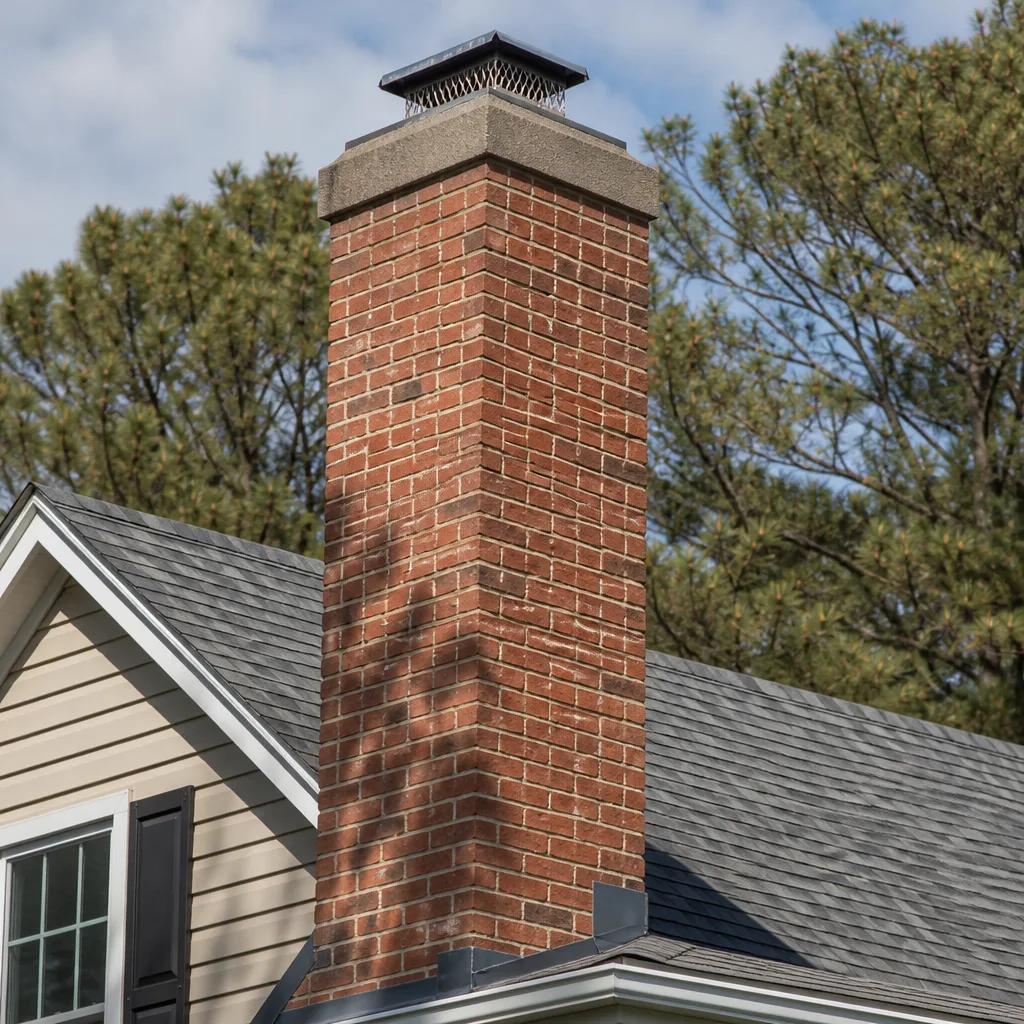 Masonry repair
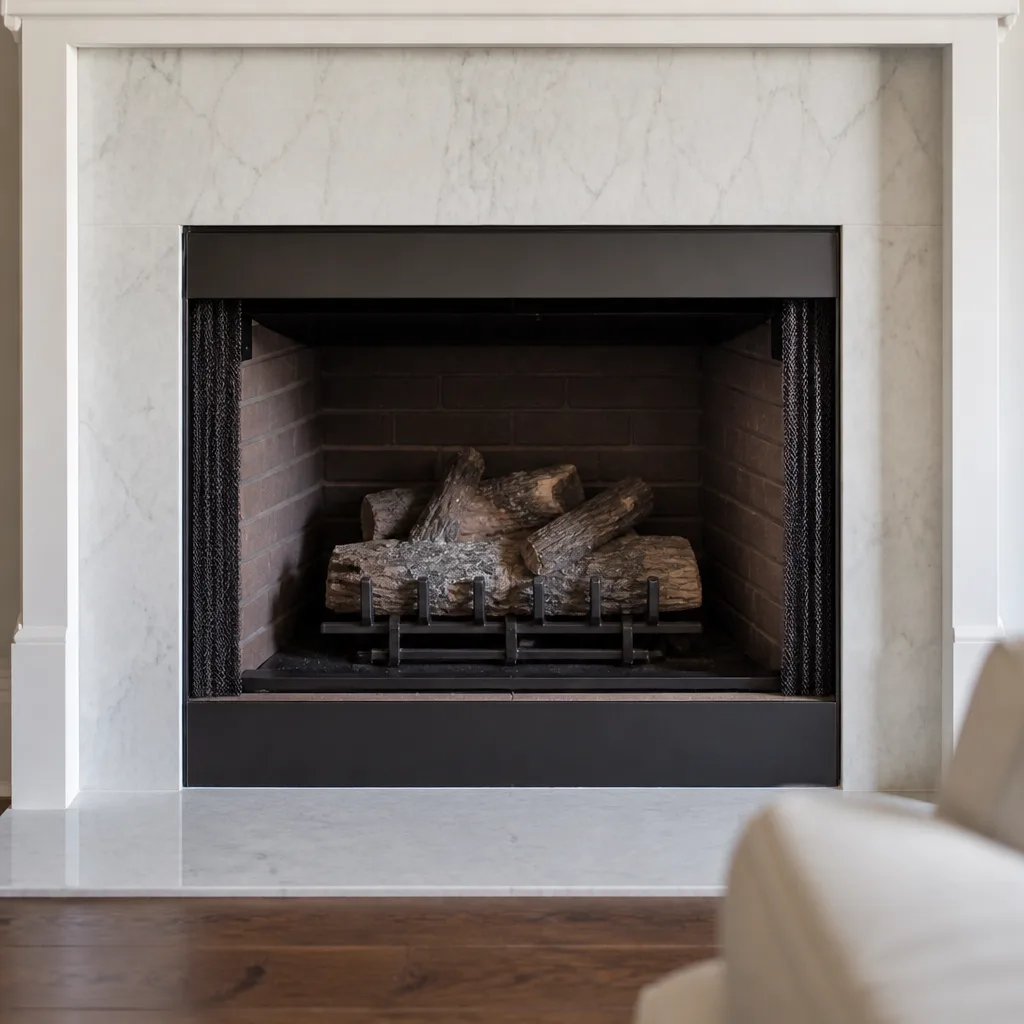 Gas fireplace service
Level 1 sweep and inspection to the NFPA 211 annual standard - flue, crown, cap, and flashing checked and photographed
Chimney sweep logs do not sweep chimneys. They loosen some creosote - which then falls where a brush and vacuum still have to collect it.
The Complete Guide to Chimney Cleaning in Lake Forest
Most Lake Forest homeowners use their fireplace fewer than 15 nights a year. That sounds like a reason to skip the chimney cleaning, but it’s actually the opposite. A lightly used chimney still collects creosote, dust, spider webs, leaves, and during wildfire season, a surprising amount of airborne ash. This guide explains what actually builds up inside Lake Forest chimneys, why the local climate changes the cleaning schedule, and what a proper inspection should cover before you light the first fire.
Quick Answer
Chimney cleaning in Lake Forest means removing creosote and debris from the flue, then checking the liner, crown, cap, and firebox for damage. Most homes need a Level 1 inspection with the sweep, which costs less than a repair and catches problems before they become chimney fires or carbon monoxide leaks. A professional sweep and inspection is the only way to know the system is safe to use.
Styles & brands we work with
- Sweep & inspection
- Caps & crowns
- Flue relining
- Masonry repair
- Gas fireplace service
Table of Contents
- Why Lake Forest Chimneys Need Cleaning Even With Light Use
- How Southern California Climate Affects Your Chimney
- Wildfire Ash and Airborne Debris in Lake Forest Flues
- Prefabricated vs. Masonry Chimneys: What Lake Forest Homes Have
- Understanding Level 1, 2, and 3 Chimney Inspections
- Marine Layer Moisture and Chimney Crowns
- What a Professional Chimney Cleaning Includes
- How Often Should You Clean Your Chimney in Lake Forest?
Why Lake Forest Chimneys Need Cleaning Even With Light Use
Here’s the thing most guides miss: a fireplace you rarely use can still develop a dangerous creosote layer. Creosote forms when wood smoke cools and condenses on the flue walls. Burn a fire even ten times a year and that residue builds up in thin, sticky layers. Each new fire bakes the previous layer harder, and over a season or two you have a glaze that a brush alone won’t remove.
Debris is the other quiet problem. Birds, rodents, and insects find chimneys attractive in every season. A cap that’s slightly askew or missing a screen lets nests and leaves drop into the flue. In Lake Forest, where many homes sit near mature trees and open space, we routinely pull dry leaves and twigs out of flues that haven’t been used since the previous winter. That dry material sits on top of the damper, waiting for the first spark.
Then there’s the simple fact that a chimney is part of the house envelope. Even when the fireplace is dormant, air moves through the flue. Dust, pollen, and fine particulate matter settle inside. When you finally light a fire, that material burns off as smoke or, in a worst case, ignites. An annual chimney sweep clears all of it, not just the creosote.
How Southern California Climate Affects Your Chimney
Cold-climate guides talk about freeze-thaw cycles and heavy creosote from daily wood burning. Lake Forest doesn’t work that way. Our winters are mild, which means chimneys here develop a different profile: lighter creosote but more dry, dusty debris. Low humidity doesn’t make creosote disappear, it just changes how it forms. The residue tends to stay powdery or flaky rather than the thick, tarry glaze common in places where fires burn all winter.
That sounds like good news, but it creates a false sense of security. Powdery creosote is still fuel. A hot fire or a spark can ignite it, and because it’s dry, it can catch quickly. The mild climate also means homeowners go longer between cleanings, assuming a light-use fireplace doesn’t need attention. By the time we’re called out, there’s often a season or two of accumulated dust, ash, and creosote sitting in the flue.
Another Southern California factor: our air is dry most of the year, which means masonry materials lose moisture and can develop small cracks. Mortar joints and chimney crowns expand and contract with temperature swings between warm days and cool nights. None of this is dramatic, but over years it adds up. A chimney in Lake Forest needs the same annual look as one in a snowy climate, just for slightly different reasons.
Wildfire Ash and Airborne Debris in Lake Forest Flues
Lake Forest sits close enough to wildfire zones that smoke and ash drift into the area during fire season. Even when the fire is miles away, fine particulate matter travels on the wind. That ash settles on roofs, in gutters, and inside chimney flues. A chimney cap with a standard screen stops larger embers but not fine ash, which passes right through.
The result is a layer of dust and ash inside the flue that has nothing to do with how often you burn wood. It compounds the debris problem. When you do light a fire, that ash becomes airborne inside the flue and can restrict airflow. Restricted airflow means smoke doesn’t draft properly, which pushes carbon monoxide back into the living space instead of up and out.
We also see wildfire seasons change what people expect from a cleaning. After a bad fire year, homeowners call because they smell smoke inside even when the fireplace is cold. That’s often downdrafting through a flue coated with ash and debris. A cleaning restores the draft path and removes the material holding that smell.
Prefabricated vs. Masonry Chimneys: What Lake Forest Homes Have
A lot of Lake Forest housing stock is tract-built, and tract homes from the last few decades commonly use prefabricated, zero-clearance fireplaces. These are factory-built metal units with a metal flue pipe running through a framed chase. They look like a traditional fireplace from the outside, but they are a completely different system from a true masonry chimney.
The cleaning protocol is different, and this is where generic advice falls apart. A masonry flue gets swept with a brush sized to the clay tile liner. A prefabricated system needs a gentler approach, with tools and methods matched to the metal pipe and its specific liner. Using the wrong brush or too much force can damage the thin metal walls, and that damage is expensive to repair.
We also see prefab fireplaces where the homeowner assumes the metal pipe never needs cleaning. It absolutely does. Metal flues collect creosote just like masonry, and because the pipe is narrower and smoother, residue can build up quickly in the bends and joints. The good news is that prefab systems are well understood, and a cleaning from someone who works on them regularly is straightforward. The key is that the person on the roof or at the firebox knows which system they’re dealing with before they start.
Understanding Level 1, 2, and 3 Chimney Inspections
Chimney inspections follow a standard three-level system set by the Chimney Safety Institute of America. Each level answers a different question, and most Lake Forest homes need Level 1 most years.
- Level 1: The annual check. This is the inspection that accompanies a routine cleaning. The technician looks at the readily accessible parts of the fireplace, flue, chimney exterior, and roof connection. No special tools are needed, nothing is opened up. It confirms the system is in the same basic condition as last year and is safe to use. If you use your fireplace the same way year after year and nothing has changed, Level 1 is almost always sufficient.
- Level 2: The change-of-circumstance check. This is required when something about the system changes. Selling a home, buying a home, a chimney fire, a lightning strike, an earthquake, or a major storm that may have damaged the chimney all trigger a Level 2 inspection. The technician uses a video camera to scan the inside of the flue, looking for hidden cracks, separation, or blockages. It also includes the accessible attic, crawl space, and chase areas. If you just bought a home in Lake Forest, a Level 2 should be part of your move-in checklist, even if the seller did a Level 1 recently.
- Level 3: The invasive check. This is rare. A Level 3 happens when a Level 1 or 2 finds something that needs a closer look and the only way to see it is to remove part of the chimney or building materials. This might mean opening a wall to inspect a hidden section of flue. It’s only done when there’s a specific reason, and the homeowner is always told why before any material is removed.
For most Lake Forest homes, the rhythm is simple: a Level 1 every year with the cleaning, a Level 2 when you buy or sell, and a Level 3 only if a deeper problem shows up.
Marine Layer Moisture and Chimney Crowns
Lake Forest sits inland enough that we don’t get the constant salt air of a beach town, but we do get the marine layer. Mornings are often overcast, cool, and damp before the sun burns it off. That moisture, brief as it is, lands on every horizontal surface, including the chimney crown.
The crown is the concrete or mortar cap at the top of the chimney. Its job is to shed water away from the flue and the brick below. When the crown develops small cracks, the morning marine layer finds its way in. The moisture doesn’t need to be dramatic. A little dampness, repeated hundreds of mornings a year, gradually erodes the mortar and works down into the brick.
We see this most often as spalling brick or a white, powdery deposit called efflorescence on the chimney exterior. It tells us moisture is moving through the masonry. Left alone, the crown cracks widen, water reaches the flue liner, and the repair becomes structural rather than cosmetic. A routine cleaning is the right moment to check the crown, because we’re already on the roof and can see its condition up close.
What a Professional Chimney Cleaning Includes
A real Chimney Sweep Lake Forest cleaning is more than running a brush up the flue. It’s a sequence of steps that protects the house and leaves the system ready to use safely. Here’s what a typical job includes, and what the homeowner should see happen.
- Floor protection. Drop cloths go down around the fireplace. A good sweep doesn’t leave soot on the carpet or hearth.
- Flue assessment before the brush. The technician looks at what kind of liner is present, its diameter, and the amount and type of buildup. This determines the right brush or tool for the job.
- Sweeping the flue. The brush is run from the firebox up or the roof down, depending on the system. The goal is to break creosote and debris off the flue walls and pull it down into the firebox.
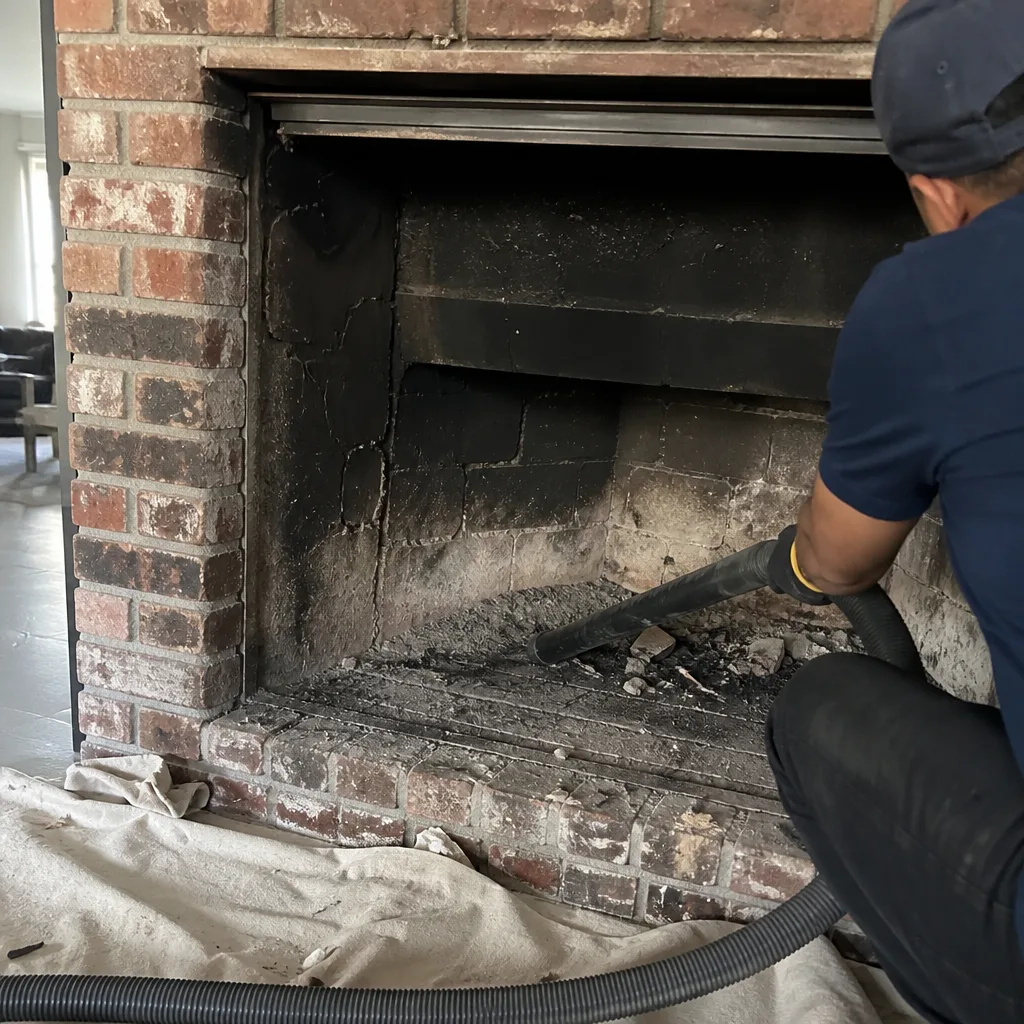
- Firebox and smoke chamber cleaning. These areas catch falling debris and soot. They’re cleared by hand and with a HEPA vacuum.
- Damper check. The damper is opened, closed, and inspected. A damper that doesn’t seal or open fully affects both draft and energy efficiency.
- Cap and crown inspection. On the roof, the technician checks the cap, screen, and crown for damage or blockage. If a Gelco cap is damaged, replacing it with a purpose-built chimney cap beats a generic hardware-store substitute.
- Level 1 inspection. The National Fire Protection Association recommends a Level 1 inspection with every annual cleaning. It confirms the structure is sound and no hidden problems exist.
If the cleaning turns up a cracked liner or damaged masonry, the same technician can explain what the repair looks like. Working with professional-grade products like DuraFlex liner systems and HeatShield resurfacing means the repair doesn’t have to wait on a second company. Sweep. Inspect. Repair. One specialist for the whole job.
How Often Should You Clean Your Chimney in Lake Forest?
The standard answer is once a year, and for Lake Forest that holds up even with very light use. But frequency really depends on how you use the fireplace and what kind of system you have.
- Wood-burning fireplace used occasionally: Sweep it every year. Creosote forms even with a dozen fires a season.
- Wood-burning fireplace used heavily: Every cord of wood burned, or mid-season, whichever comes first. Heavy use means heavy creosote.
- Gas fireplace: Less creosote, but the burner, logs, and vent still need an annual check. Dust and debris clog the pilot assembly and vent.
- Prefabricated fireplace: The same annual schedule as masonry. The system is different, but the buildup problem is the same.
- After a wildfire season: Have the flue checked even if you didn’t use the fireplace. Ash settles in the flue and can cause drafting problems later.
Your dryer vent is a separate issue, but it belongs in the same conversation. Dryer vent cleaning should happen every year or two, because lint is its own fire hazard. We use Famco ventilation products for dryer vent work because they’re built for exactly this application, not improvised from general hardware.
Common Mistakes to Avoid
- Assuming a cold fireplace is a clean fireplace. Debris, ash, and creosote build up even when the fireplace sits idle. In Lake Forest, wildfire ash and everyday dust settle in flues year-round.
- Skipping the inspection because the fire “burns fine.” A fire that drafts well can still have a cracked liner or a failing damper. The fire tells you nothing about the safety of the flue.
- Using the wrong brush on a prefab fireplace. Zero-clearance metal flues need different tools than masonry chimneys. The wrong brush can damage the metal pipe, turning a $200 cleaning into a $2,000 repair.
- Ignoring the chimney cap. The cap is the first line of defense against water, animals, and debris. A missing or bent cap lets all of them into the flue.
- Waiting until you smell smoke inside. That smoke smell often means the flue is restricted and the draft has reversed. It’s a late warning, not an early one.
- Treating the chimney and dryer vent as separate priorities. Both are fire hazards that get ignored because they’re out of sight. A home with a clean chimney but a clogged dryer vent still has a preventable fire risk.
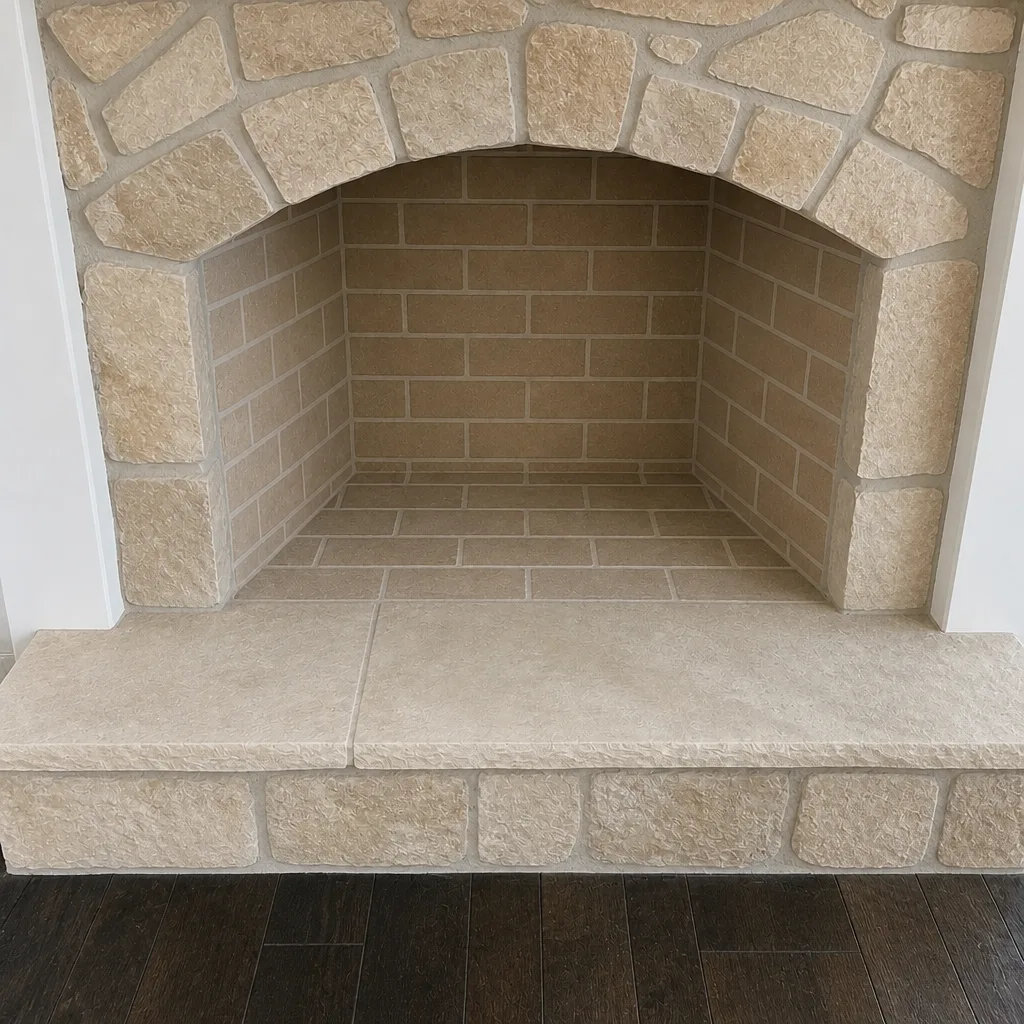
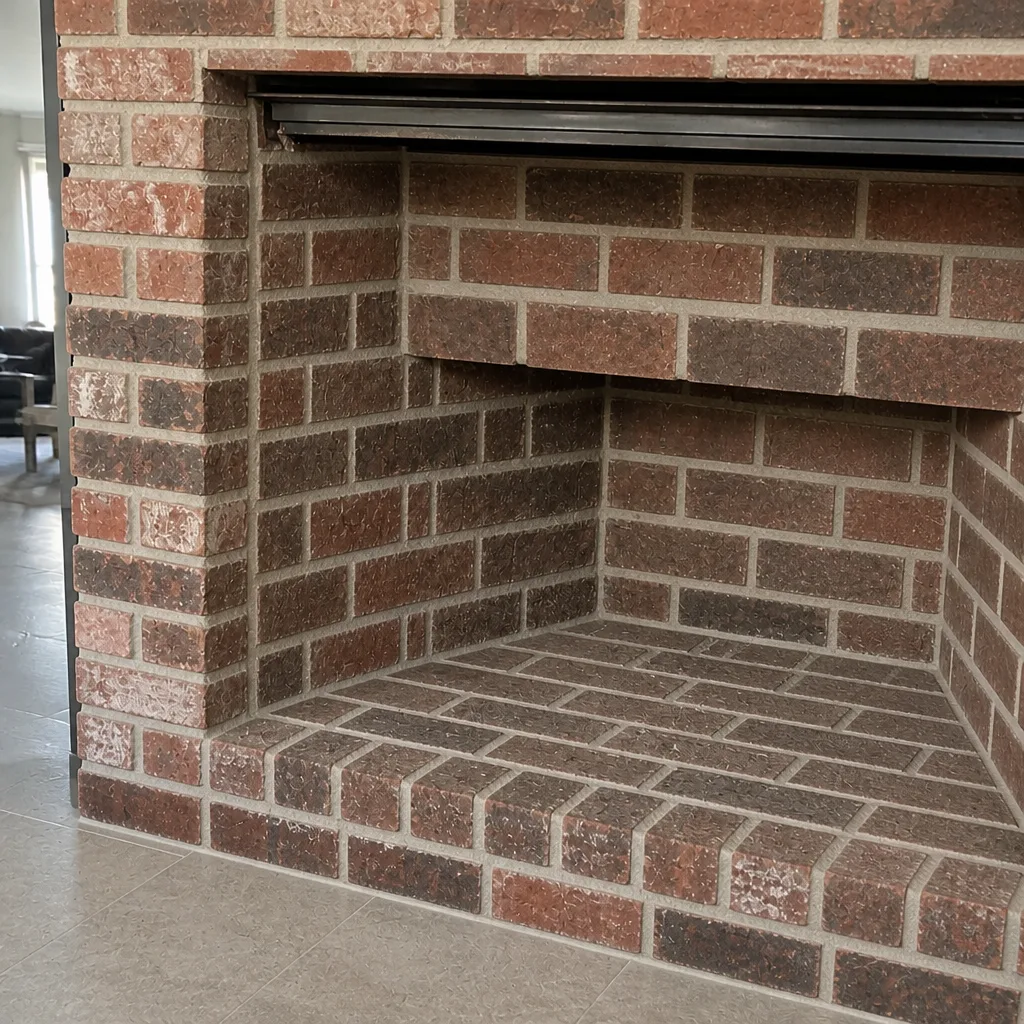
See the difference
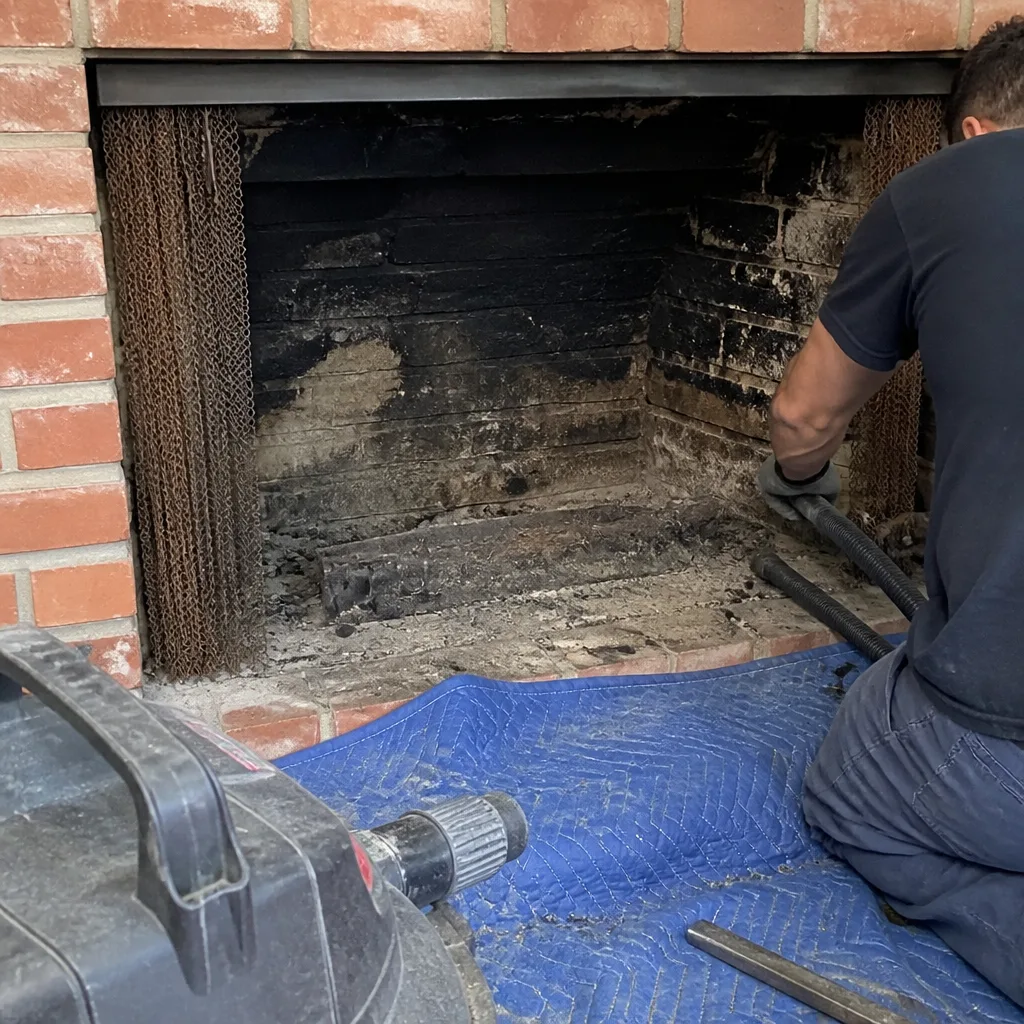 Before
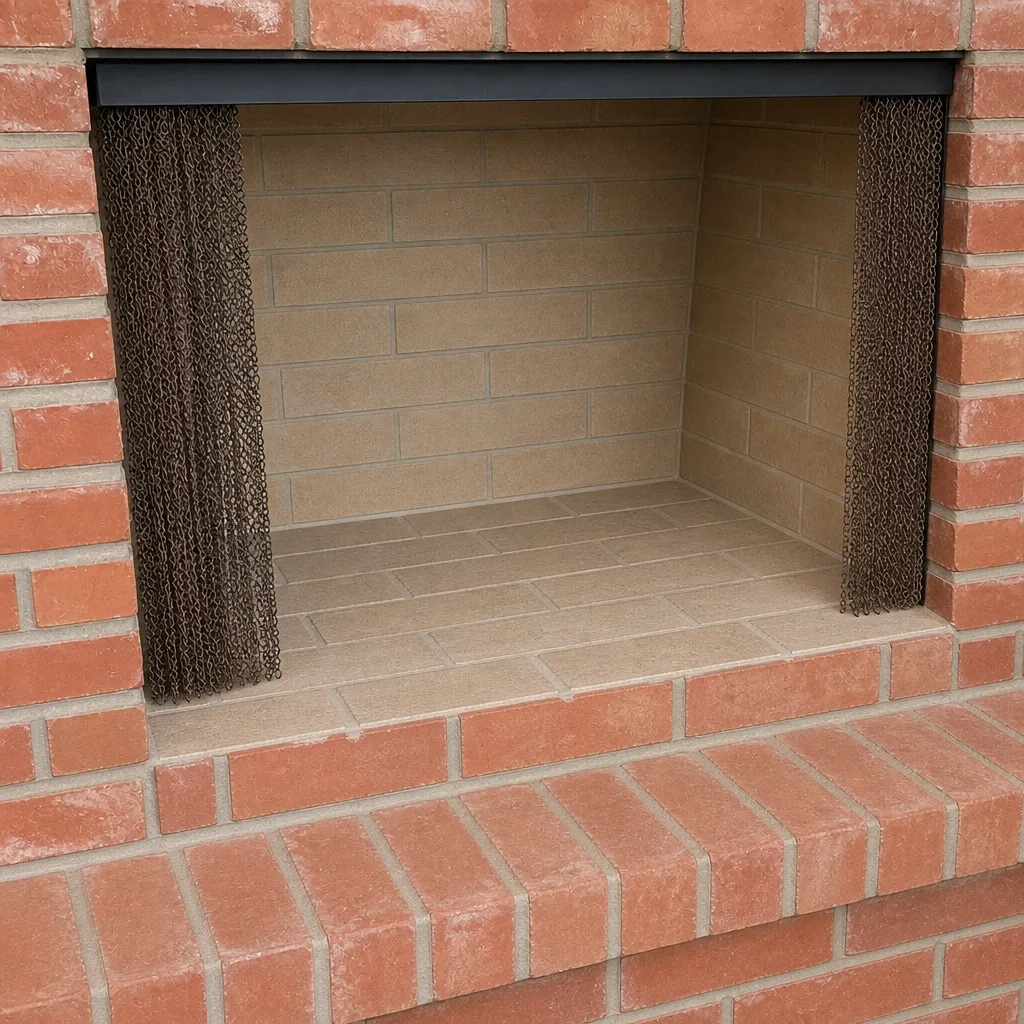 After
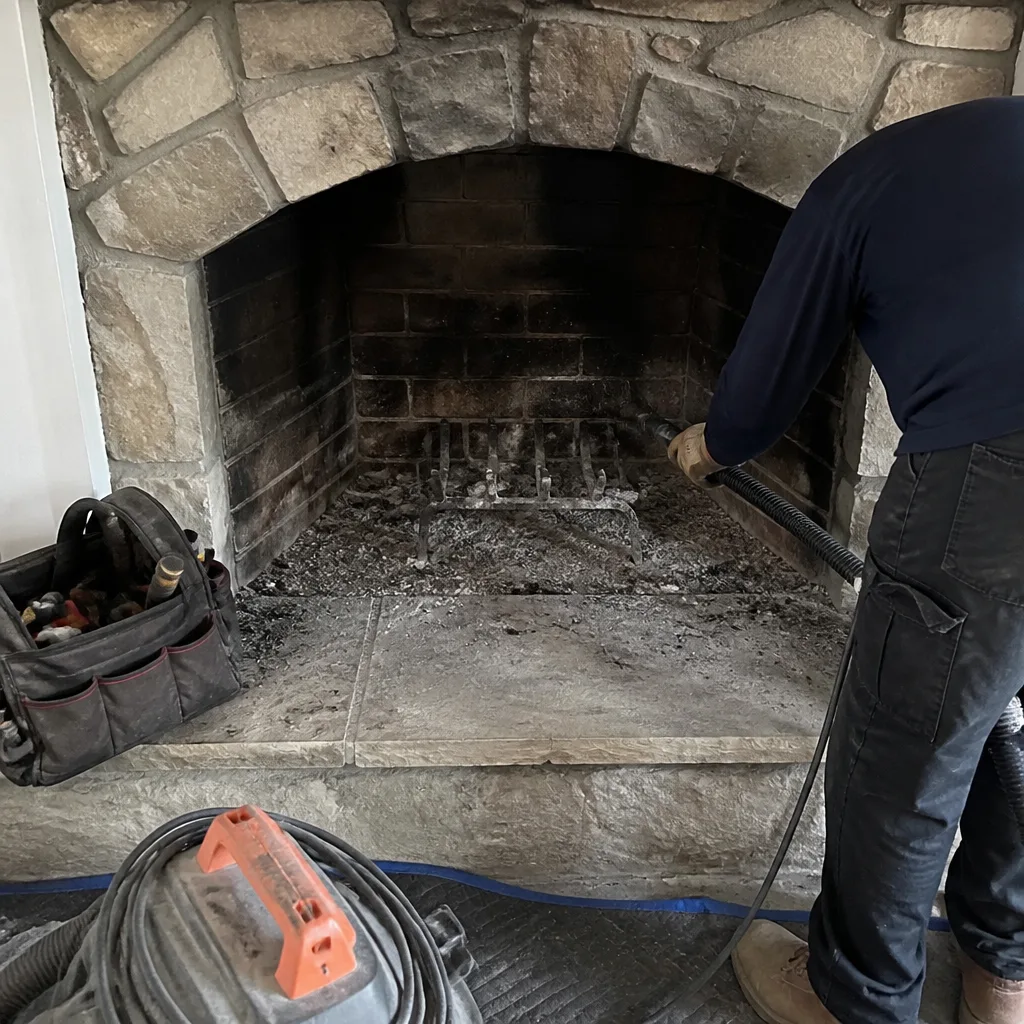 Before
 After
 Before
 After
When to Call a Professional
Call a chimney professional when you see visible soot or creosote buildup inside the firebox, when you smell smoke even with the damper open, when birds or animals have been near the chimney, or when you’ve just bought a home and don’t know the system’s history. Also call after any chimney fire, even a small one you put out yourself. The heat can crack the liner, and that crack is invisible from the living room. Chimney Sweep Lake Forest offers free estimates in Lake Forest. Call (833) 589-9146. We answer 24/7. Fast dispatch from 7am to 7pm, Sunday through Friday.
Frequently Asked Questions
A standard chimney sweep and Level 1 inspection in Lake Forest typically runs between $180 and $340, depending on the system type, roof access, and how much buildup has accumulated. Prefabricated fireplaces sometimes cost slightly more because of the specialized tools involved. The written estimate is free and sets the final price. Call (833) 589-9146 for an exact quote for your system.
Yes. Creosote builds up even with light use, and chimneys collect debris and ash passively all year. A fire used ten times a season still produces flammable residue, and the uncapped or loosely capped flue takes in leaves, dust, and wildlife nesting material. Annual cleaning is cheaper than repairing fire damage or relining a flue.
Every year, with the cleaning, as a Level 1 inspection. When you buy or sell a home, after a chimney fire, or after a significant weather event, move up to a Level 2 inspection. That’s the standard that protects both safety and home resale value in Lake Forest.
Creosote thickens into a hardened, tarry layer that a standard brush can’t remove. Debris blocks airflow, which pushes smoke and carbon monoxide back into the house. The firebox and flue become a fire risk, and the chimney crown and cap, left unchecked, let moisture into the masonry and rust the metal parts. Skip it long enough and the flue liner needs replacement instead of a simple cleaning.
Completely. A prefab, zero-clearance fireplace uses a factory-built metal firebox and flue pipe, and many Lake Forest tract homes have this type. It needs a gentler cleaning approach with tools specific to metal liners, and the inspection focuses on pipe joints, rust, and proper clearances. A masonry chimney is brick and mortar with a clay or stainless liner. Both need annual service, but they are serviced differently.
Often yes. A smoke smell inside often means the flue is partially blocked and the draft has weakened, so smoke is lingering instead of rising. Cleaning removes the ash, debris, and creosote restricting the draft, and the smell goes away with them. If the smell returns after cleaning, the chimney may have a structural or drafting problem that a Level 2 camera inspection will find.
The Bottom Line
Chimney cleaning in Lake Forest is an annual job, not an occasional one. The mild climate hides the buildup, and wildfire ash adds a layer of debris that most homeowners never see. A professional sweep removes the creosote, checks the crown and cap for marine-layer damage, and confirms the liner is intact. Use a Level 1 inspection every year, a Level 2 when the house changes hands or something happens, and never assume a rarely used fireplace is a safe one. A clean chimney is cheaper than a damaged one, and a single call covers the sweep, the inspection, and the repair if something’s wrong.
Written by the team at Chimney Sweep Lake Forest, serving Lake Forest since 2015.