
Last updated November 4, 2026
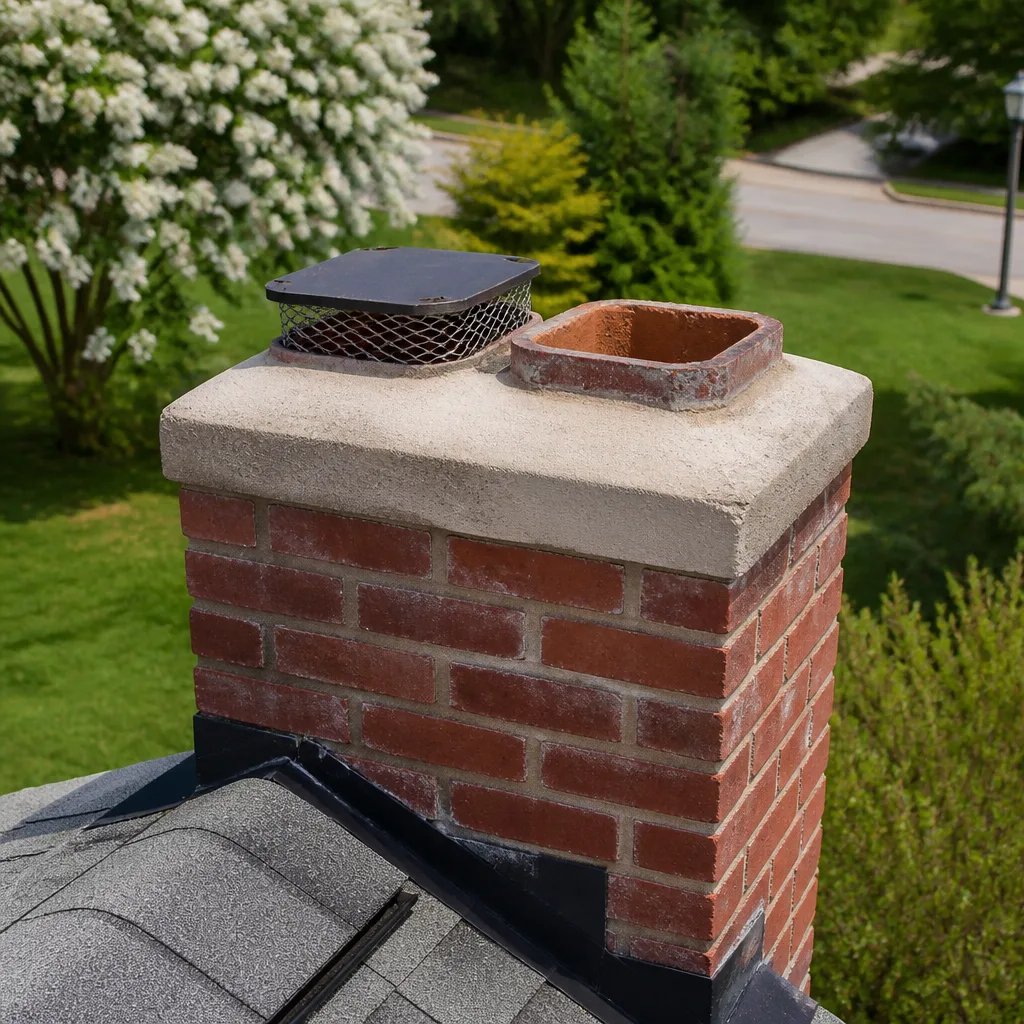 Sweep & inspection
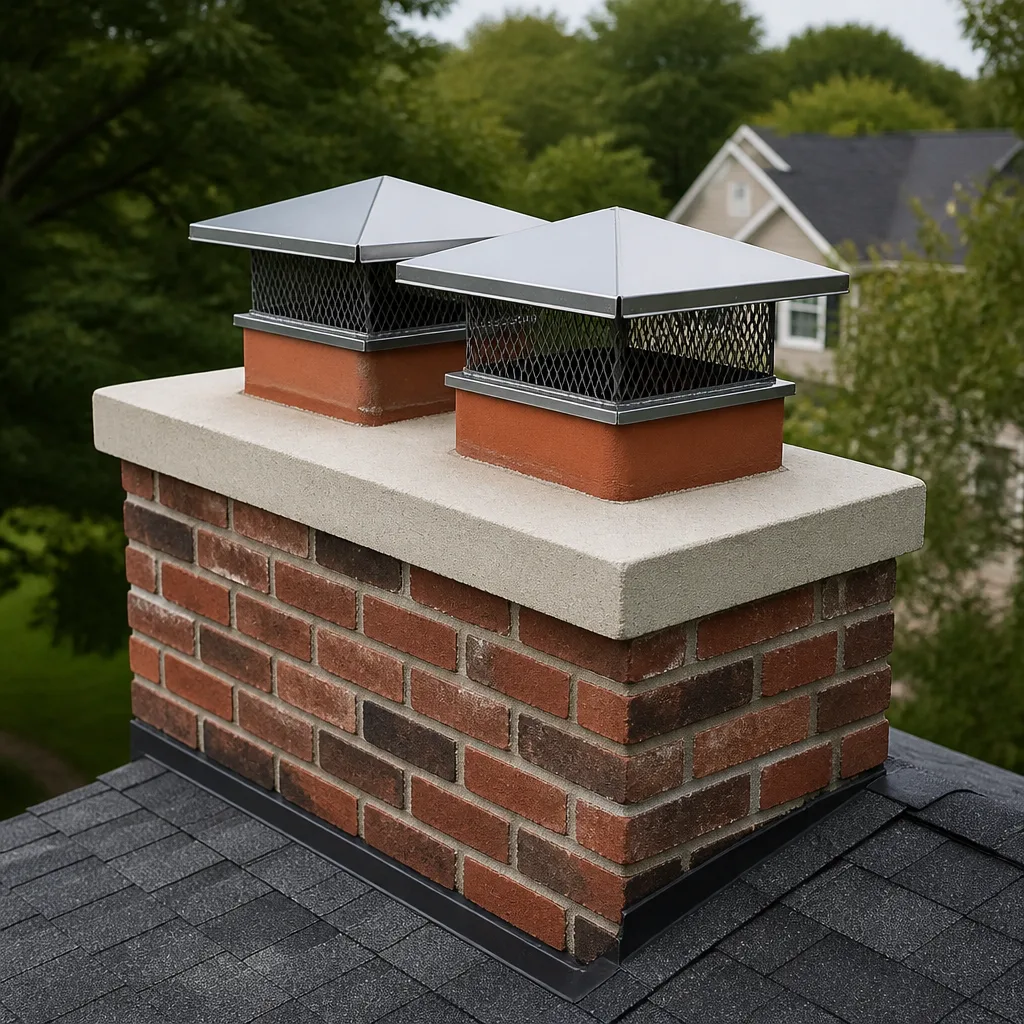 Caps & crowns
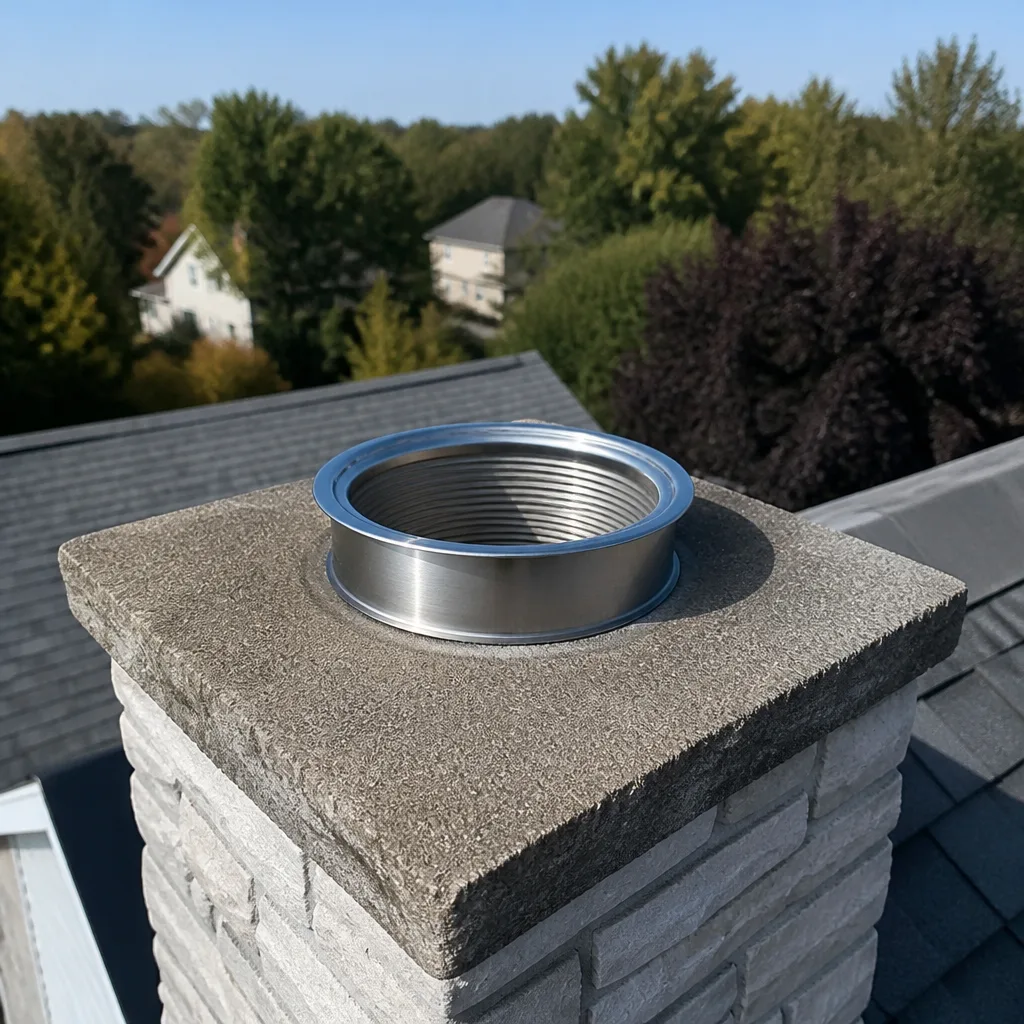 Flue relining
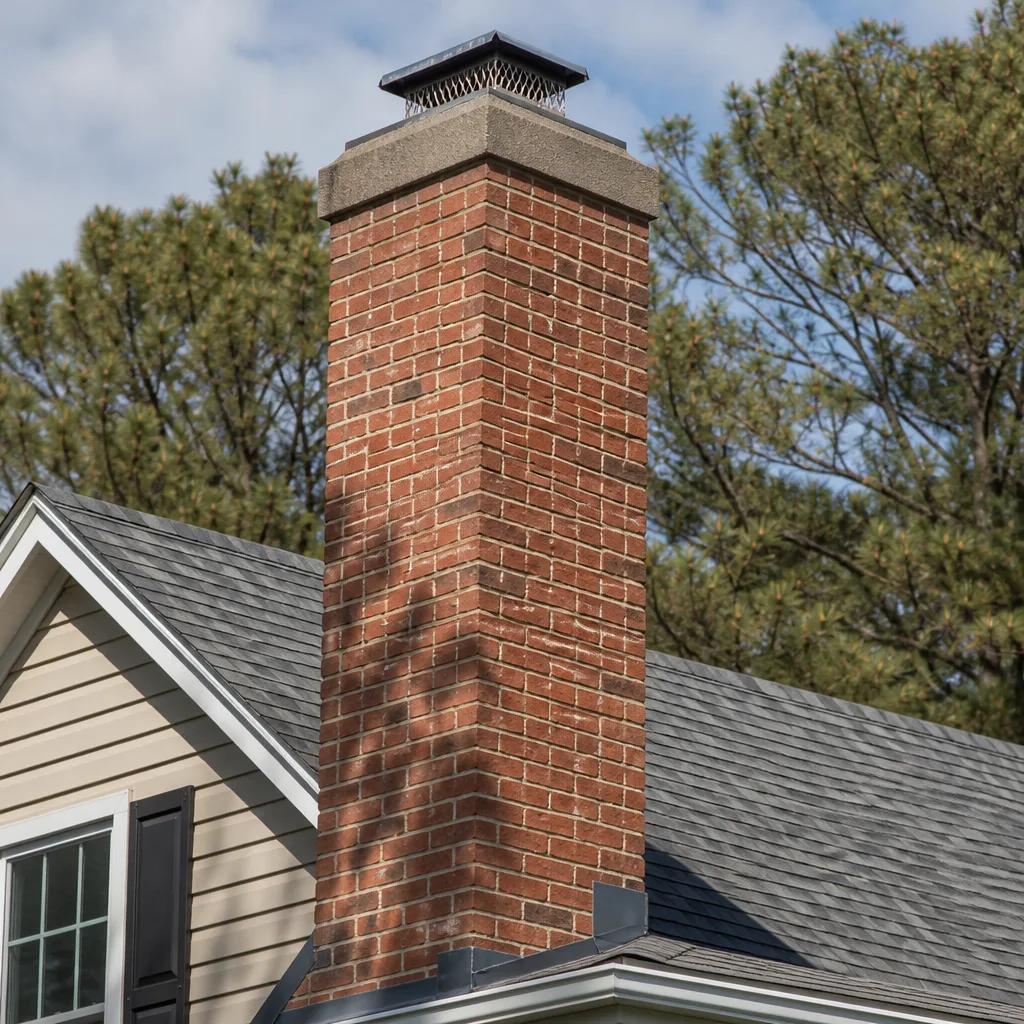 Masonry repair
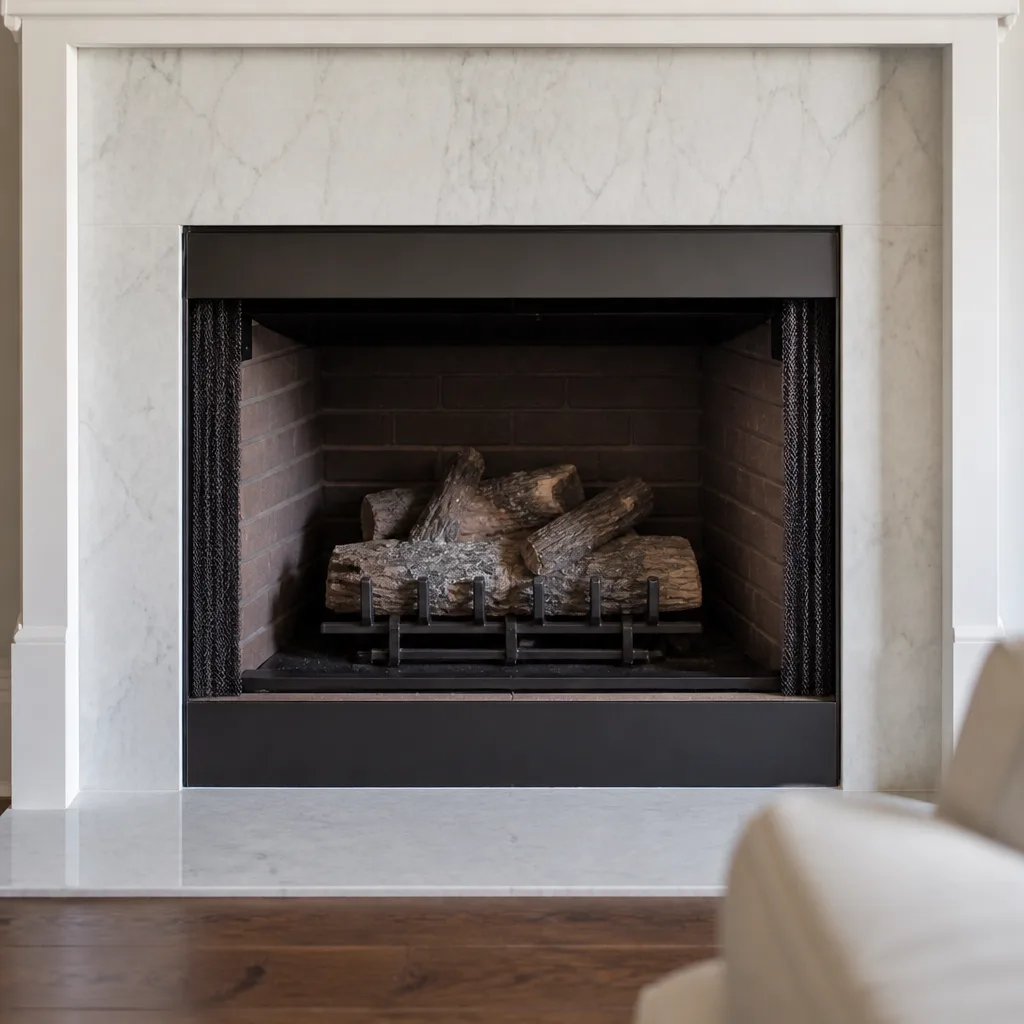 Gas fireplace service
Level 1 sweep and inspection to the NFPA 211 annual standard - flue, crown, cap, and flashing checked and photographed
Chimney sweep logs do not sweep chimneys. They loosen some creosote - which then falls where a brush and vacuum still have to collect it.
Choosing the Right Chimney Cleaning Brand: A Buyer’s Guide for Lake Forest
Most homeowners never think to ask what brand of chimney cap or liner a contractor installs. They assume a chimney is a chimney, and a sweep is a sweep. But the difference between a galvanized steel cap from a hardware store and a stainless steel cap built to contractor specifications is often a decade of service life, especially under the Southern California sun that Lake Forest gets year-round. This guide names the actual product lines worth knowing, so you can ask smarter questions and spot contractors who cut corners on materials before they ever touch your roof. You’ll learn which brands the pros actually use, why the material matters more than the label, and how to evaluate a contractor’s answer when you ask what they stock.
Styles & brands we work with
- Sweep & inspection
- Caps & crowns
- Flue relining
- Masonry repair
- Gas fireplace service
Quick Answer
The right chimney cleaning brand isn’t about the name on the truck. It’s about which product lines the contractor carries for caps, liners, sealants, and dryer vent components. Professional-tier names like Gelco, DuraFlex, and HeatShield signal that a contractor sources from established industry supply lines like Copperfield and Olympia Chimney, rather than picking up whatever is on the shelf at a big-box store. In Lake Forest, where UV exposure and thermal swings punish cheap materials, those product choices directly determine how long your repair or replacement will actually last.
Table of Contents
- Why Chimney Cleaning Brands Matter More Than You Think
- Chimney Cap Brands: Gelco and the Stainless Steel Standard
- Liner System Brands: DuraFlex and What They Actually Solve
- Chimney Sealants and Crown Coats: Why Cheap Products Fail in Lake Forest
- Dryer Vent Product Lines: UL 2158A and Material Types
- How to Ask a Contractor What Brands They Stock
- Common Mistakes to Avoid
- When to Call a Professional
- Frequently Asked Questions
- The Bottom Line
Why Chimney Cleaning Brands Matter More Than You Think
A chimney sweep is not just removing soot. A proper chimney sweep includes an inspection that looks at the structural condition of the flue, the crown, the cap, and the liner. When that inspection turns up a problem, the quality of the replacement parts matters as much as the quality of the original installation. The brushes and rods used for cleaning matter too, but the materials that stay on your chimney for years are where brand choice has real financial consequences.
Think of it this way. A chimney cap sits on top of your flue, exposed to the sun every day. Lake Forest gets long stretches of direct sunlight with very little cloud cover. UV radiation breaks down cheap coatings. Thermal expansion and contraction, even without freezing temperatures, works on seams and fasteners. A galvanized steel cap can start rusting within a few years. A stainless steel cap built by a company that serves professional chimney contractors, like Gelco, is designed for that exposure and typically lasts far longer.
The same logic applies to liners. A liner that fails means smoke, carbon monoxide, or heat getting into places it should not be. The liner brands used by certified chimney contractors are not the same as the generic flex pipe sold for other purposes. DuraFlex, for example, is a flexible liner system built specifically for chimney relining. It’s what a contractor installs when the original clay tile liner has cracked or deteriorated. The difference between that and an off-brand substitute is the difference between a repair that lasts and one that needs redoing in a few years.
Homeowners in Lake Forest who understand this dynamic can protect themselves two ways. First, they can ask their contractor directly what brands they carry. Second, they can recognize when an answer is vague. A chimney professional who sources from Copperfield or Olympia Chimney supply lines will be able to name specific products. Someone who buys from a hardware store will usually say something like “we use whatever fits.” That answer tells you a lot.
Chimney Cap Brands: Gelco and the Stainless Steel Standard
The chimney cap is the first line of defense against rain, debris, and animals. It’s also the part of the chimney that takes the most direct weather exposure. In Lake Forest, that means intense sun, occasional Santa Ana winds, and the fine dust that settles on everything when the air moves through the canyons. A cap that fails lets water into the flue, and water is the single most destructive force a chimney faces.
Gelco is a brand you’ll hear from professional chimney contractors. Gelco makes caps and covers designed for the specific demands of chimney service work, not the generic vent caps sold at home improvement stores. The construction differences are real. Professional-grade caps use heavier stainless steel, stronger mesh for spark arrestor screens, and fasteners that hold up to repeated thermal cycling. The mesh on a quality cap is important for another reason: it keeps embers from landing on your roof or nearby landscaping. In a region where wildfire risk is a genuine concern, that function is not optional.
The difference between a $40 galvanized cap and a professional stainless steel cap is not cosmetic. The galvanized cap will start to show rust at the seams and around the mounting screws within a few years. The rust runs down the chimney and stains the masonry. The cap eventually rusts through or loosens, and then it’s not doing its job at all. A stainless steel cap from a contractor-grade line is more expensive upfront, but it typically outlasts the cheaper option by a wide margin.
When you ask a chimney company what caps they stock, listen for a specific answer. If they say Gelco, you know they’re sourcing from the same supply chains as professional chimney trades. If they say they can get “any cap that fits,” they’re probably shopping at a retail store. Neither answer guarantees quality on its own, but one of them tells you the contractor has access to the right materials.
Liner System Brands: DuraFlex and What They Actually Solve
Inside your chimney, the liner is what contains the heat and combustion gases. Older homes in Lake Forest, particularly those built before the 1980s, often have clay tile liners. Those liners crack over time. Thermal stress, settling, and the simple passage of years all contribute. A cracked liner is a safety issue because it can allow heat to reach combustible framing or carbon monoxide to seep into living spaces.
DuraFlex is a flexible stainless steel liner system used by professional chimney contractors for relining applications. It’s a specific type of product: a corrugated stainless steel tube that runs the full length of the flue and is insulated where code requires it. The material is alloy designed for flue gas conditions, not just any stainless steel off a roll. When a contractor installs a DuraFlex liner, they’re bringing the chimney back to a safe operating condition without the cost of demolishing and rebuilding the masonry structure.
There are other liner brands in the professional space. HomeSaver and Flexi-liner are both names you’ll find in supply catalogs like Copperfield and Olympia Chimney. What matters is not which specific brand a contractor prefers, but that they can name one and explain why. A contractor who says “we use a liner system” without naming it may be using whatever is cheapest at the distributor that week. A contractor who says “we install DuraFlex” is telling you something concrete about their material standards.
Relining is not a small job. It involves measuring the flue, selecting the right diameter, and pulling the liner down from the top or up from the firebox. It’s not something a homeowner should attempt. The stakes are too high: a poorly installed liner is worse than no liner, because you think you’re protected when you’re not. When you hire a Chimney Sweep Lake Forest professional, ask about the liner brands they carry. The answer tells you whether you’re working with a specialist or a generalist.
Chimney Sealants and Crown Coats: Why Cheap Products Fail in Lake Forest
The chimney crown is the concrete or mortar slab at the top of the chimney that sheds water away from the flue. Over time, crowns crack. When they do, water gets into the masonry and starts the slow process of deterioration. The fix is a crown coat or sealant, applied over the existing crown to restore its water-shedding ability.
Not all sealants are equal. Water-based sealants are common at retail stores because they’re cheap and easy to apply. But water-based products have a known weakness in climates with significant thermal swings. Lake Forest is not a cold climate, but it does have hot days and cool nights, especially in the fall and spring. That daily expansion and contraction works on any coating applied to a chimney crown. Water-based sealants tend to fail under those conditions because they don’t flex as well as solvent-based or elastomeric products designed for chimney use.
Professional-grade crown coat products are formulated for masonry in exterior conditions. They adhere to concrete and mortar, they flex with the substrate, and they’re designed to be applied by contractors who do this work regularly. The brand names in this category are less familiar to homeowners, which is exactly why it matters who you hire. A contractor who sources professional-grade sealants from an industry supply line can tell you what they use and why. A contractor who picks up a bucket at the home center probably cannot.
HeatShield is worth a mention here, though it’s a different category. HeatShield is a chimney resurfacing system used to restore deteriorating flue tiles without a full rebuild. It’s a cerfractory material that’s sprayed or cast into the flue to seal cracks and gaps. A contractor certified in HeatShield can often save a chimney that would otherwise require expensive demolition work. That’s a specific capability, not just a product on a shelf, and it’s one more signal that a company works at the professional level.
Dryer Vent Product Lines: UL 2158A and Material Types
Your dryer vent is part of your home’s ventilation system, and it’s a fire hazard waiting to happen if it’s not properly maintained. Lint builds up inside the duct, restricts airflow, and becomes fuel. The duct material itself matters too. Flexible foil or plastic ducts are common in older homes because they’re cheap and easy to install, but they’re the worst option for fire safety. They sag, they trap lint, and plastic can actually melt or burn.
UL 2158A is the relevant safety standard for dryer transition ducts. It’s a testing standard that certifies the duct material can withstand the heat and lint conditions of a clothes dryer without failing. Rigid metal ducts, either aluminum or galvanized steel, are the best choice for the main vent run. They have smooth interior walls that don’t trap lint as easily, and they won’t collapse or melt. The flexible foil ducts should only be used for the short transition from the dryer to the wall, and even then, a rigid metal elbow is better.
This is where brand matters less than material, but the brand still tells you something. Famco is a manufacturer of ventilation products, including components used in dryer vent systems. A contractor who uses Famco products is sourcing from a manufacturer that builds for the professional HVAC and ventilation trade. That’s different from buying a flex hose at the store because it’s what fits. The duct material type is the critical decision: rigid metal over flexible foil, and never plastic.
We offer dryer vent cleaning as a core service, not an upsell, because the fire risk is real and the maintenance is simple. A clean vent with the right materials moves air efficiently, dries clothes faster, and reduces the chance of a lint fire. If your vent uses flexible foil or plastic, replacing it with rigid metal is one of the most straightforward safety upgrades you can make in a laundry room.
How to Ask a Contractor What Brands They Stock
You don’t need to be a materials engineer to evaluate a chimney contractor. You just need to ask a few specific questions and listen to how they answer. The goal is not to quiz them, but to find out whether they work with professional-grade materials or whatever is convenient. Here’s a step-by-step approach that works.
- Ask what cap brands they install. A professional will name a brand like Gelco or at least say “stainless steel, contractor-grade.” A vague answer means they probably don’t stock caps at all and will buy whatever fits at the store.
- Ask what liner systems they use. Listen for DuraFlex, HomeSaver, or Flexi-liner. If they say “flex pipe,” ask who makes it. If they can’t answer, that’s a red flag.
- Ask where they source their materials. Professional contractors buy from industry supply lines like Copperfield or Olympia Chimney. Those names are not well known to the public, but they’re standard in the trade. A contractor who mentions them is buying from the same channels as the rest of the professional industry.
- Ask about resurfacing capabilities. If they mention HeatShield or a similar cerfractory repair system, you know they can handle flue tile deterioration without a rebuild. If they say “we don’t do that,” you may need a specialist for repairs.
- Ask about dryer vent materials. Listen for “rigid metal” and “UL 2158A.” If they install foil or plastic, thank them for their time and call someone else.
We’ve been asked these questions before, and they’re good ones. A contractor who sources contractor-grade materials from established supply lines will be happy to answer them. A contractor who doesn’t will get defensive or change the subject. That’s information, too. In Lake Forest, where the housing stock ranges from 1960s ranches to newer hillside construction, chimney conditions vary widely. The right contractor for your house is one who can talk about materials specifically, not in generalities.
Common Mistakes to Avoid
- Focusing on price before materials. Two chimney sweeps can be within $50 of each other, but if one installs Gelco caps and DuraFlex liners and the other buys off the shelf, the long-term costs diverge sharply. Ask about products before you compare quotes.
- Assuming all stainless steel is the same. Stainless steel comes in different alloys and thicknesses. The stainless in a big-box cap is not the same as the stainless in a contractor-grade cap. The difference shows up in rust resistance and structural strength over time.
- Ignoring the dryer vent. Many homeowners think of the chimney and the dryer vent as separate concerns. They’re both part of the same ventilation system, and lint fires are more common than chimney fires in many communities. Get both inspected.
- Choosing a handyman because they’re cheaper. A general handyman can clean a chimney, but they can’t assess a liner, resurface a flue, or source professional-grade repair materials. When the sweep uncovers a problem, you want one call to resolve it.
- Not asking about sealant types. Water-based sealants are cheaper and easier to apply, which is why they’re common. But in Lake Forest’s thermal conditions, they fail faster than professional-grade crown coats. Ask what type of sealant they use, not just whether they’ll seal the crown.
- Deferring maintenance because the fireplace still works. A chimney can be dangerous long before you notice a problem. Cracked liners, blocked flues, and deteriorating crowns are all invisible from the living room. The inspection is the point of the sweep, not an add-on.
When to Call a Professional
Call a professional when you buy a home with a fireplace and you don’t know its service history. Call when you see staining on the ceiling near the chimney, or when you smell smoke in the house after the fire is out. Call when you notice bits of tile or mortar in the firebox. Call when your dryer takes longer than one cycle to dry a load. Call when you haven’t had the chimney inspected in more than a year. A professional chimney sweep in Lake Forest can assess the whole system, clean what needs cleaning, and tell you plainly what can wait and what can’t. We offer free estimates in Lake Forest. Call (833) 589-9146. We answer 24/7. Fast dispatch from 7am to 7pm, Sunday through Friday.
Frequently Asked Questions
There is no single “best” brand in chimney cleaning, because the service depends on the tools and products the contractor uses. The brands worth knowing are Gelco for caps and covers, DuraFlex for liner systems, HeatShield for flue resurfacing, and Famco for dryer vent components. A contractor who sources from Copperfield or Olympia Chimney supply lines is working with professional-grade materials. Call (833) 589-9146 to ask what we carry and get a free estimate.
Choose a stainless steel cap from a contractor-grade line like Gelco. Stainless steel resists rust, and the heavier gauge construction holds up to years of sun and heat. Cheaper galvanized caps from home improvement stores typically rust within a few years, especially in Lake Forest’s UV-intense climate. Ask your contractor what cap brand they install before you agree to the work.
DuraFlex is a flexible stainless steel liner system widely used by professional chimney contractors for relining masonry chimneys. Other professional brands include HomeSaver and Flexi-liner. The “best” liner is the one properly sized and installed for your specific flue. A contractor who can name their liner brand and explain why they chose it is far more trustworthy than one who says “flex pipe.”
The National Fire Protection Association recommends a chimney inspection at least once a year, with cleaning as needed based on usage. If you burn wood more than a couple times a week during the cooler months, you likely need a cleaning annually. Even gas fireplaces need periodic inspection to check the venting and check for blockages. Lake Forest’s mild winters mean many homeowners use fireplaces recreationally, but soot and creosote still build up with regular use.
No, flexible foil dryer vents are not safe for the main vent run. They sag, trap lint, and melt or collapse at high temperatures. Rigid metal duct is the safe choice, and UL 2158A is the standard to ask about. If your home has a foil or plastic dryer duct, replacing it with rigid metal is a low-cost fire-safety improvement.
You can, but it’s usually a bad idea. Professional contractors source materials that are sized and rated for your specific chimney, and they can warranty the work because they trust the parts. A cap you buy online might be the wrong size or made from thinner metal. A liner from a random supplier might not meet code. Let the contractor supply the materials. You’re paying for the expertise to choose them correctly.
The Bottom Line
The brands a chimney contractor uses tell you more about their work than any marketing claim. Gelco caps, DuraFlex liners, HeatShield resurfacing, and Famco vent products are the language of the professional trade. Sourcing from Copperfield and Olympia Chimney supply lines means access to materials that DIY-oriented competitors can’t match. In Lake Forest, where sun and thermal swings punish cheap materials, these choices matter for the life of your chimney and the safety of your home. Ask the questions. Listen to the answers. Hire a specialist who can do the whole job, from chimney sweep to repair, with one call.
Written by the team at Chimney Sweep Lake Forest, serving Lake Forest since 2015.
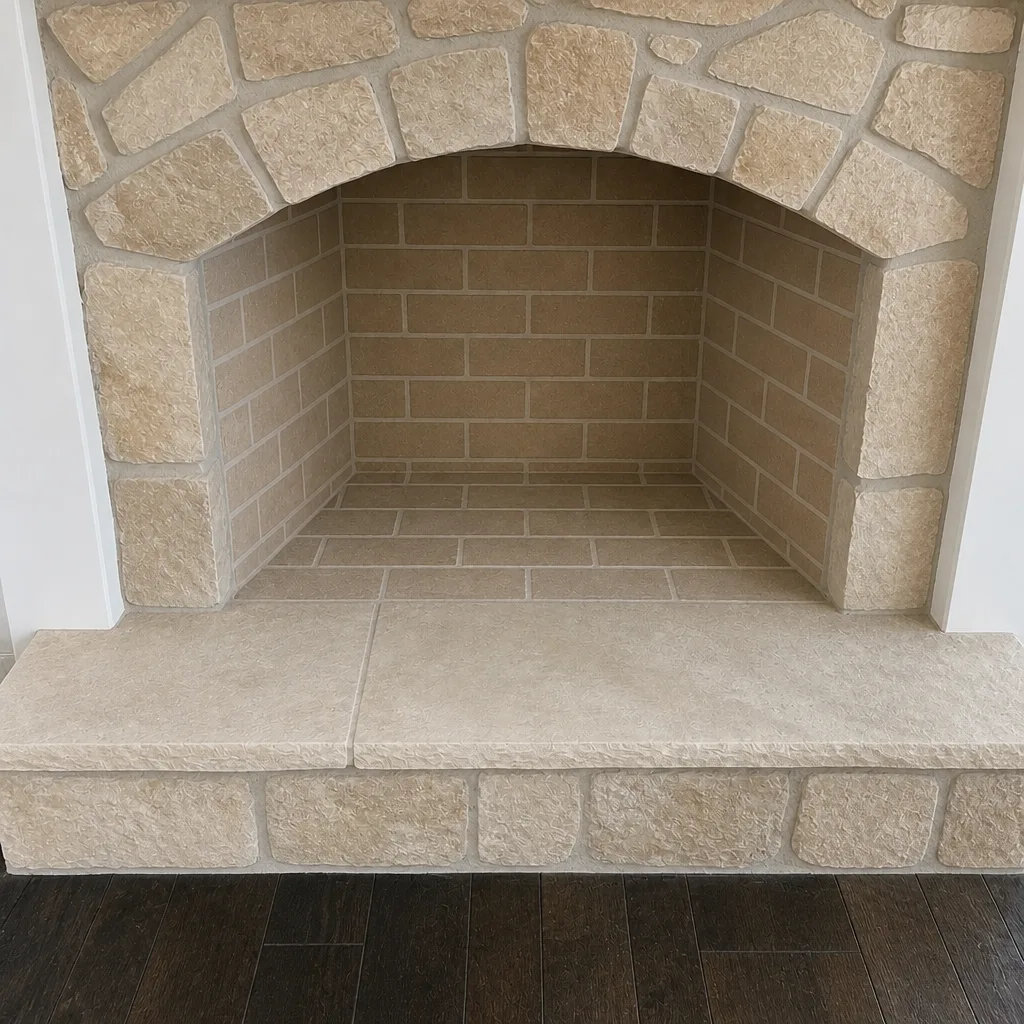
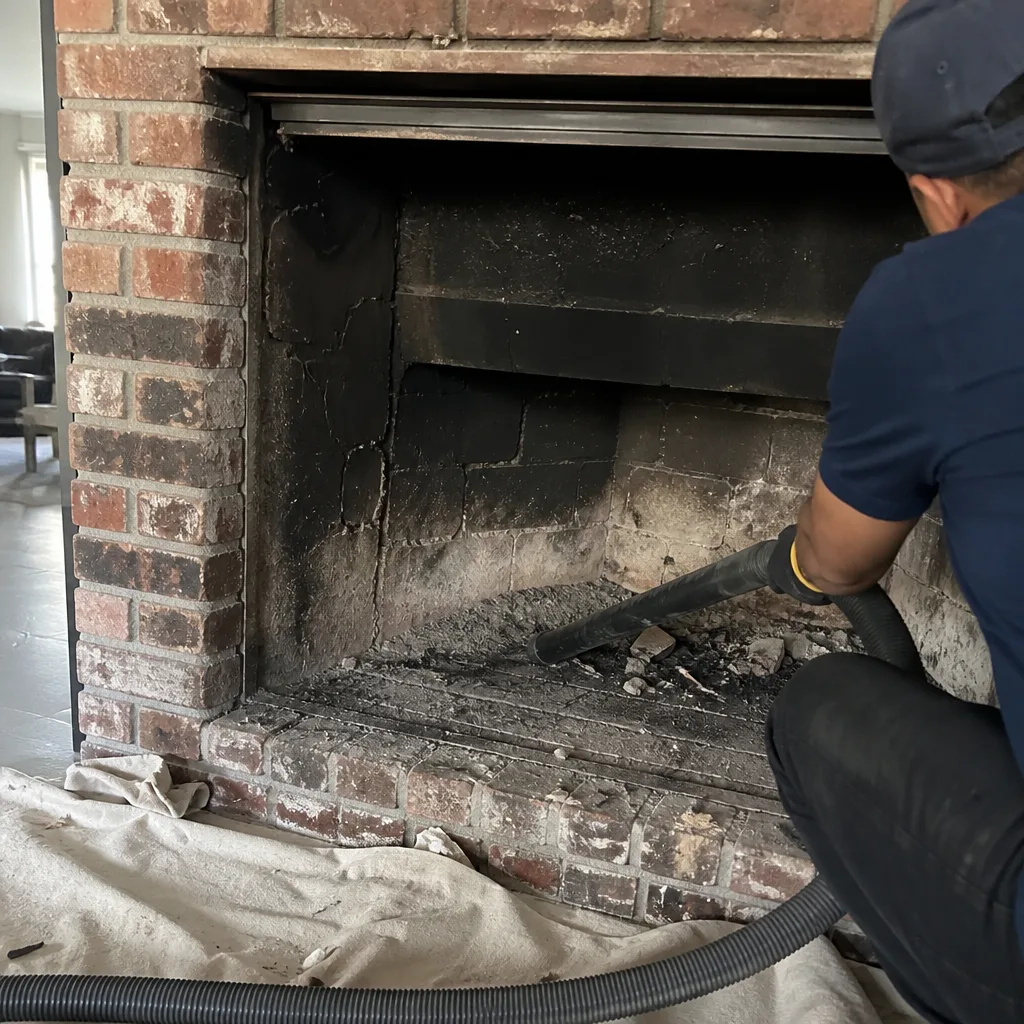
See the difference
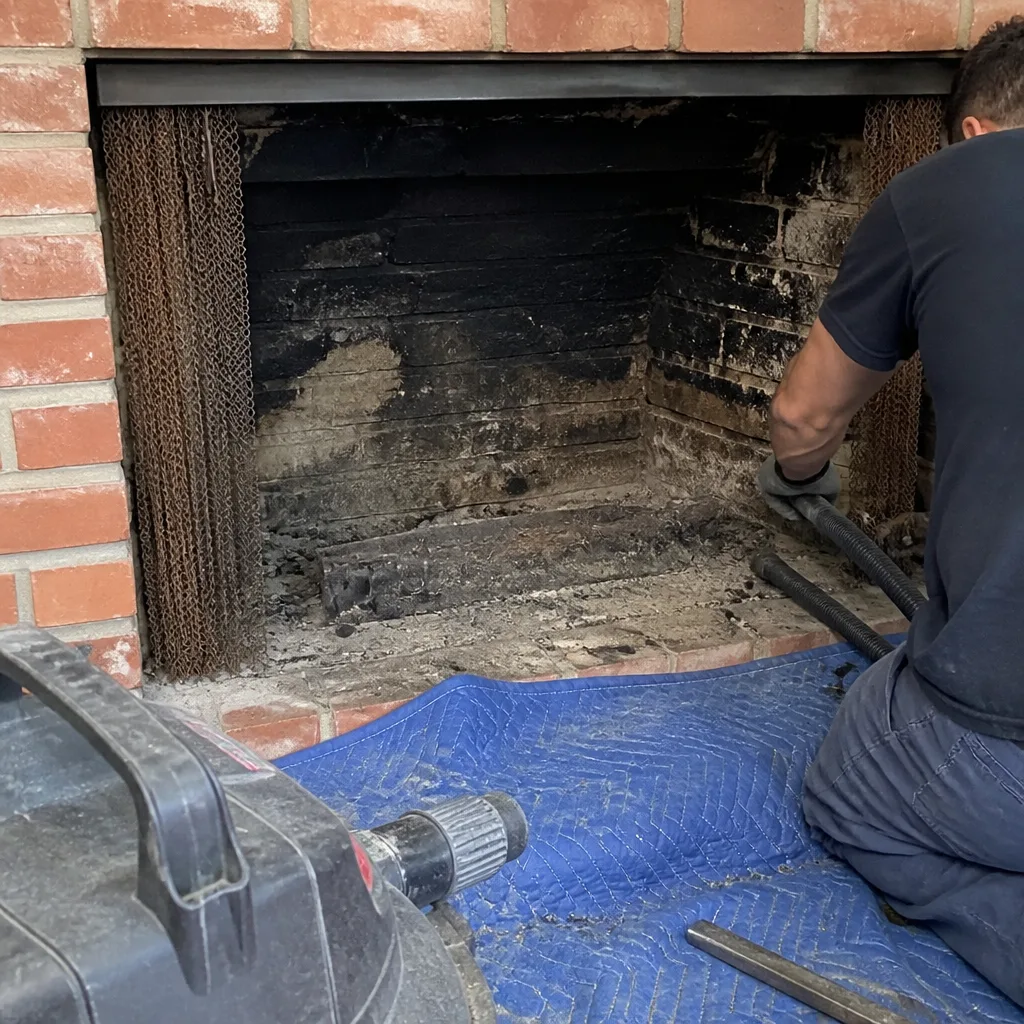 Before
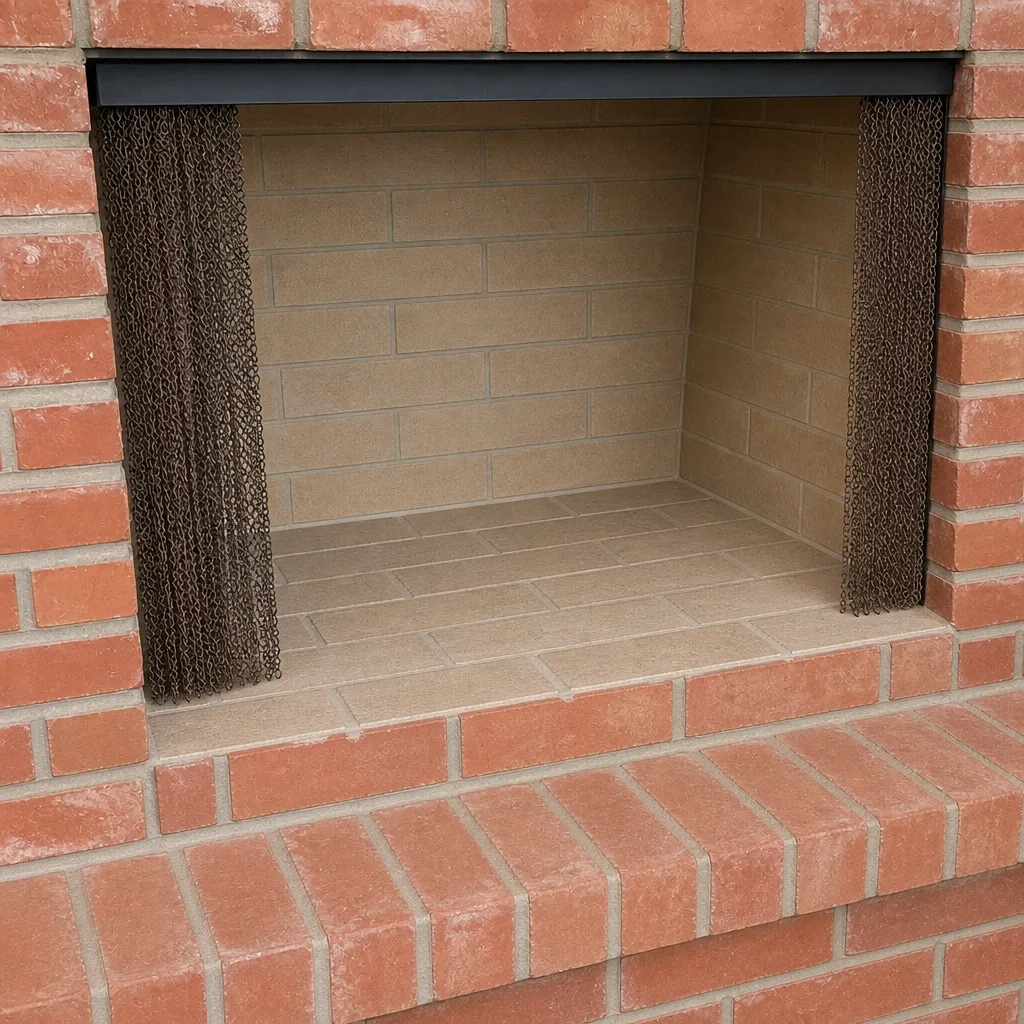 After
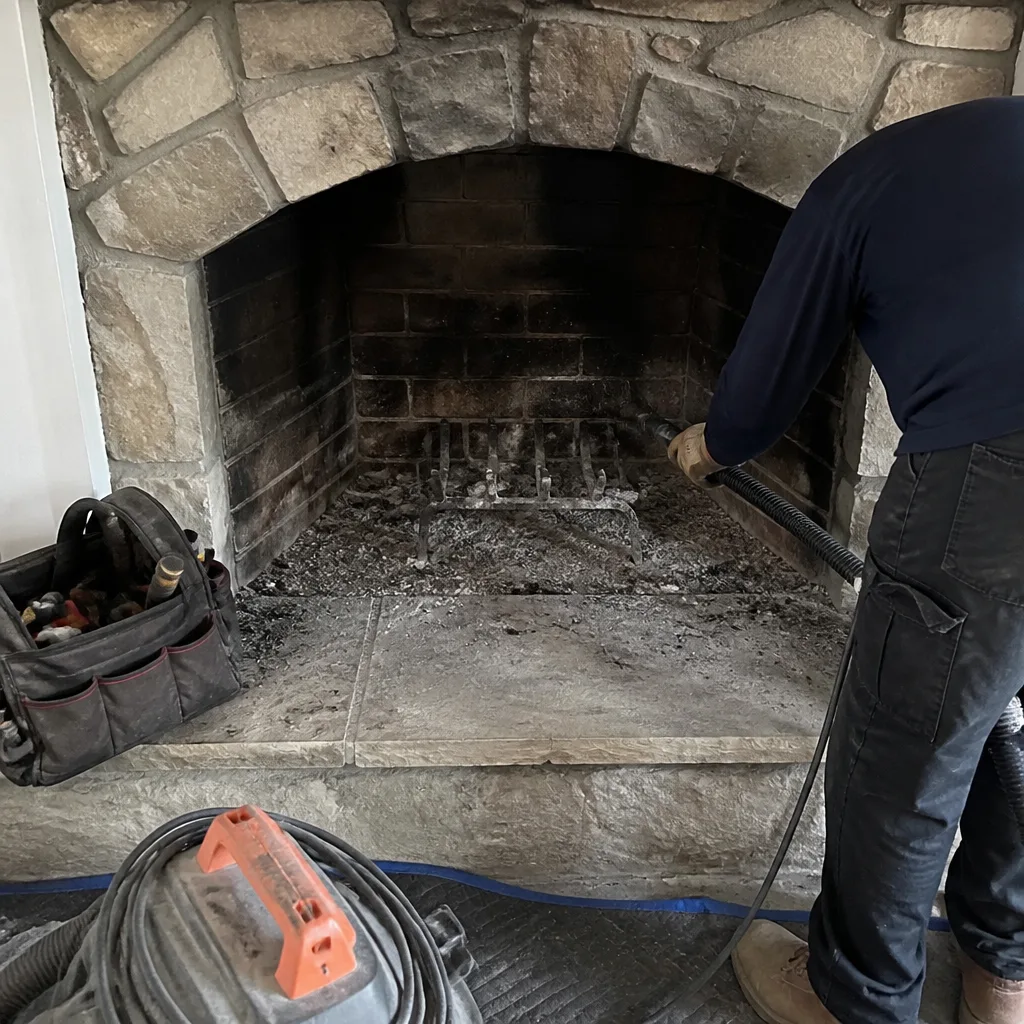 Before
 After
 Before
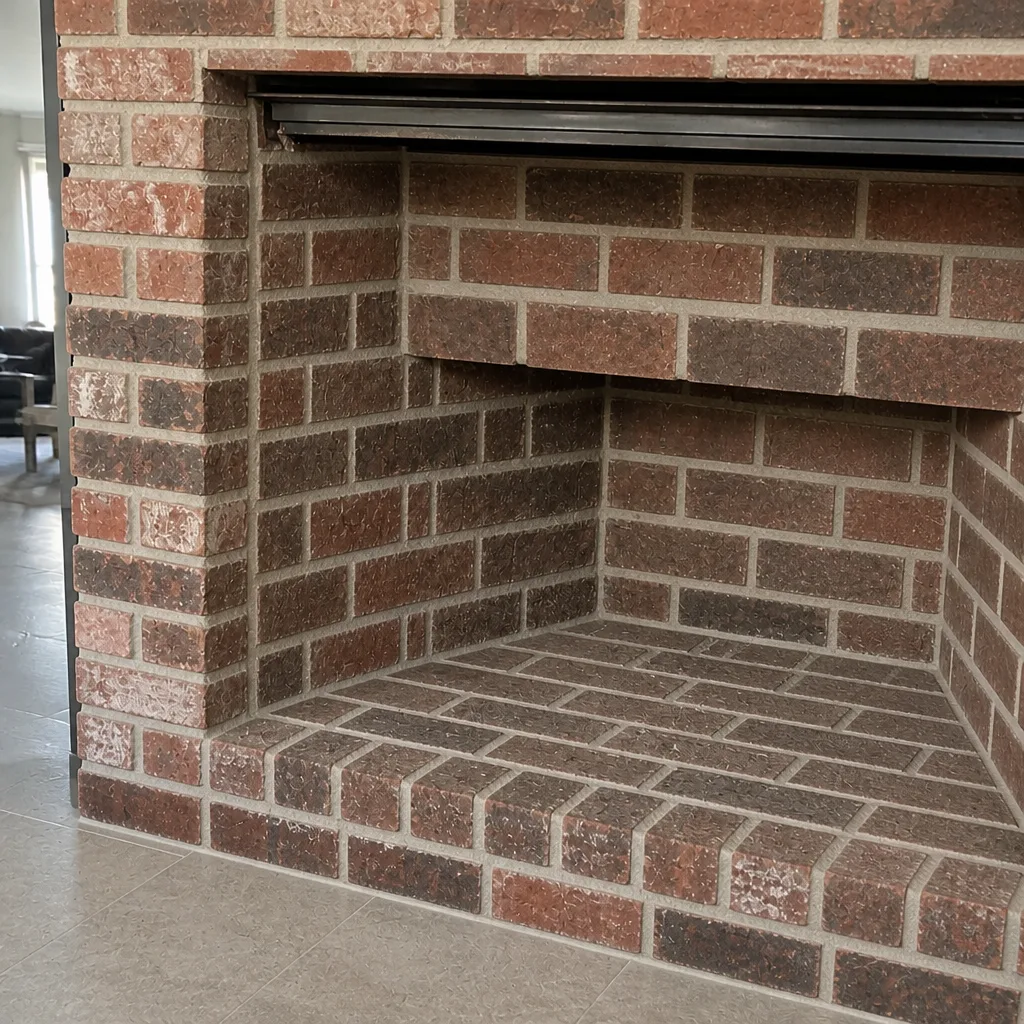 After