
Last updated November 4, 2026
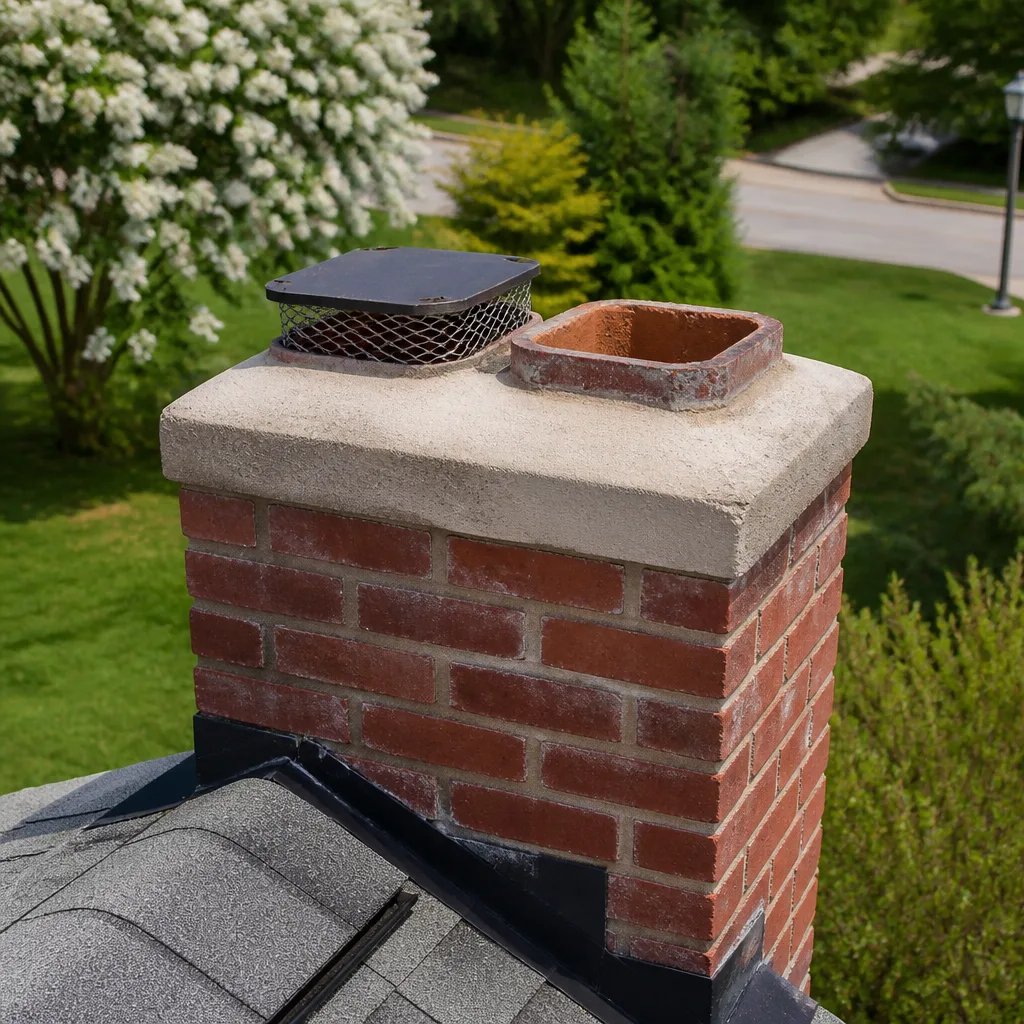 Sweep & inspection
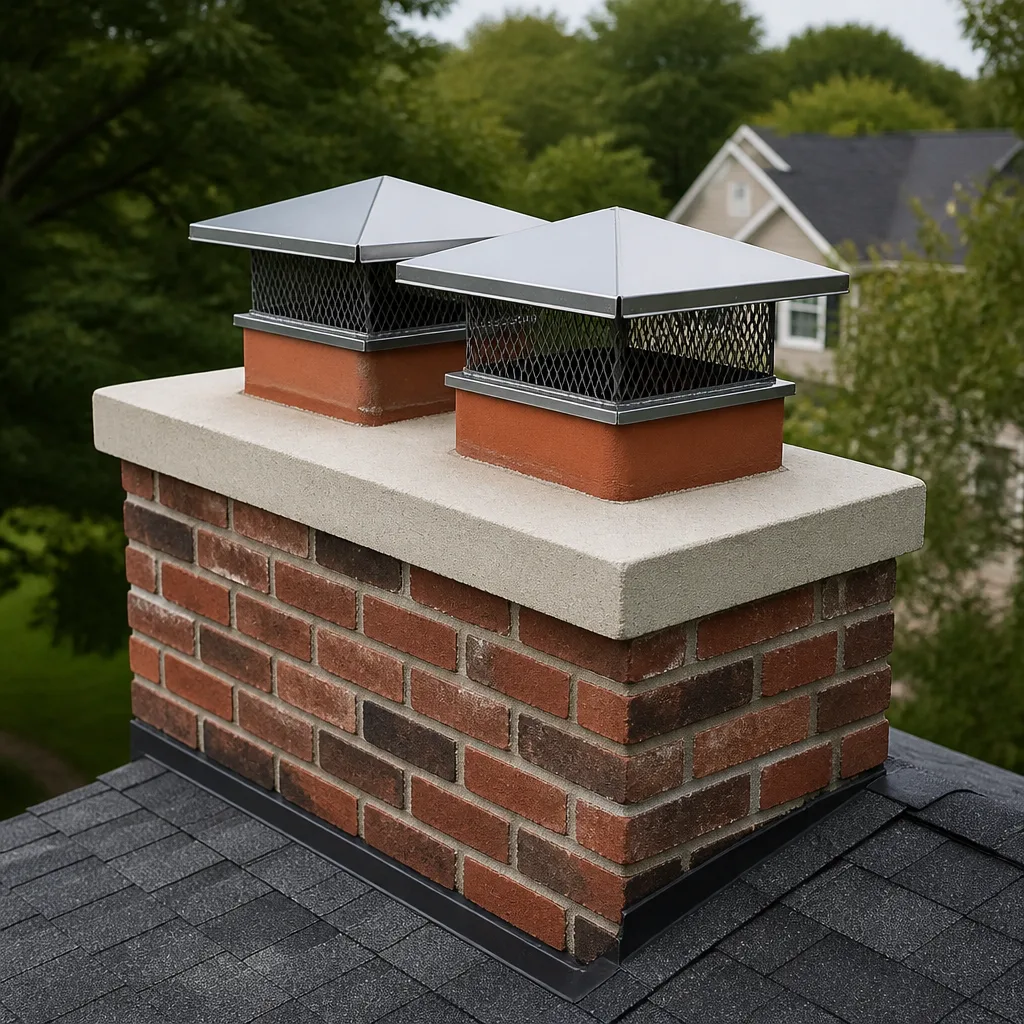 Caps & crowns
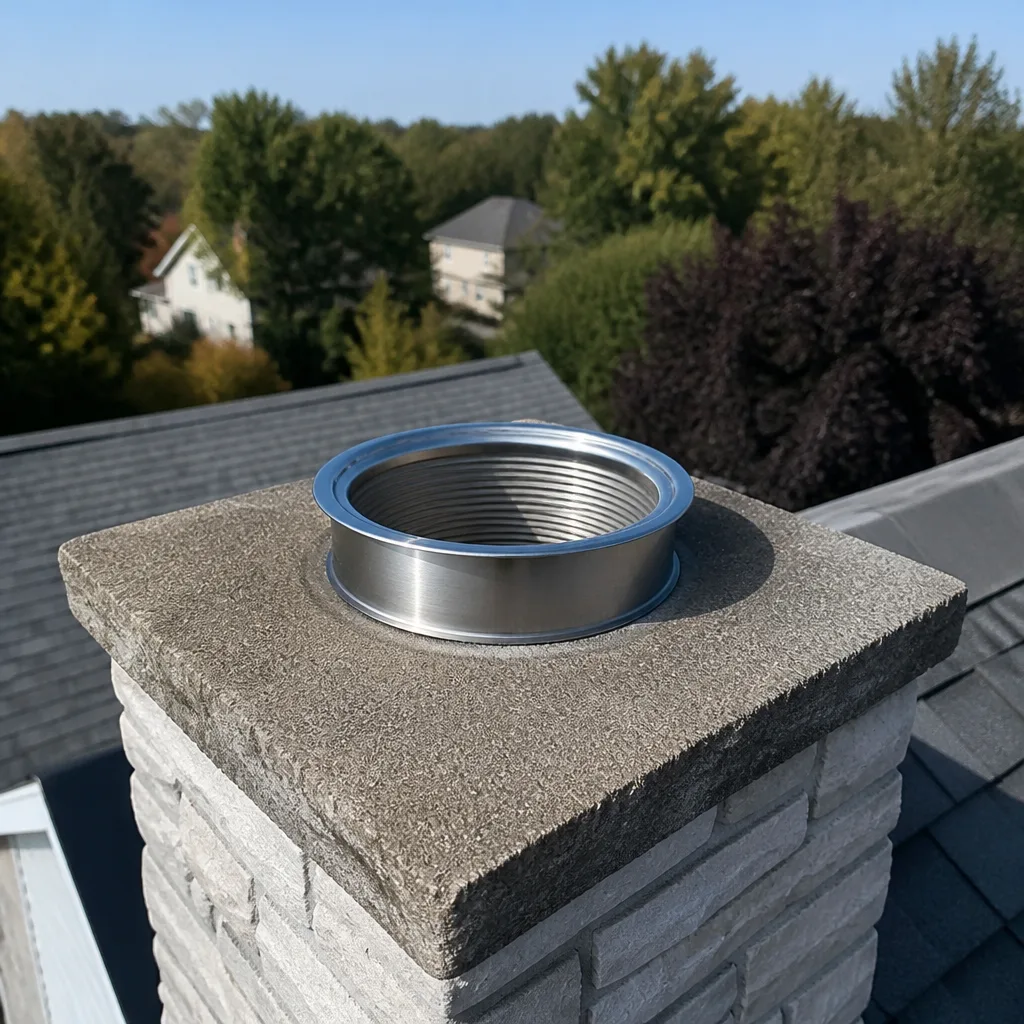 Flue relining
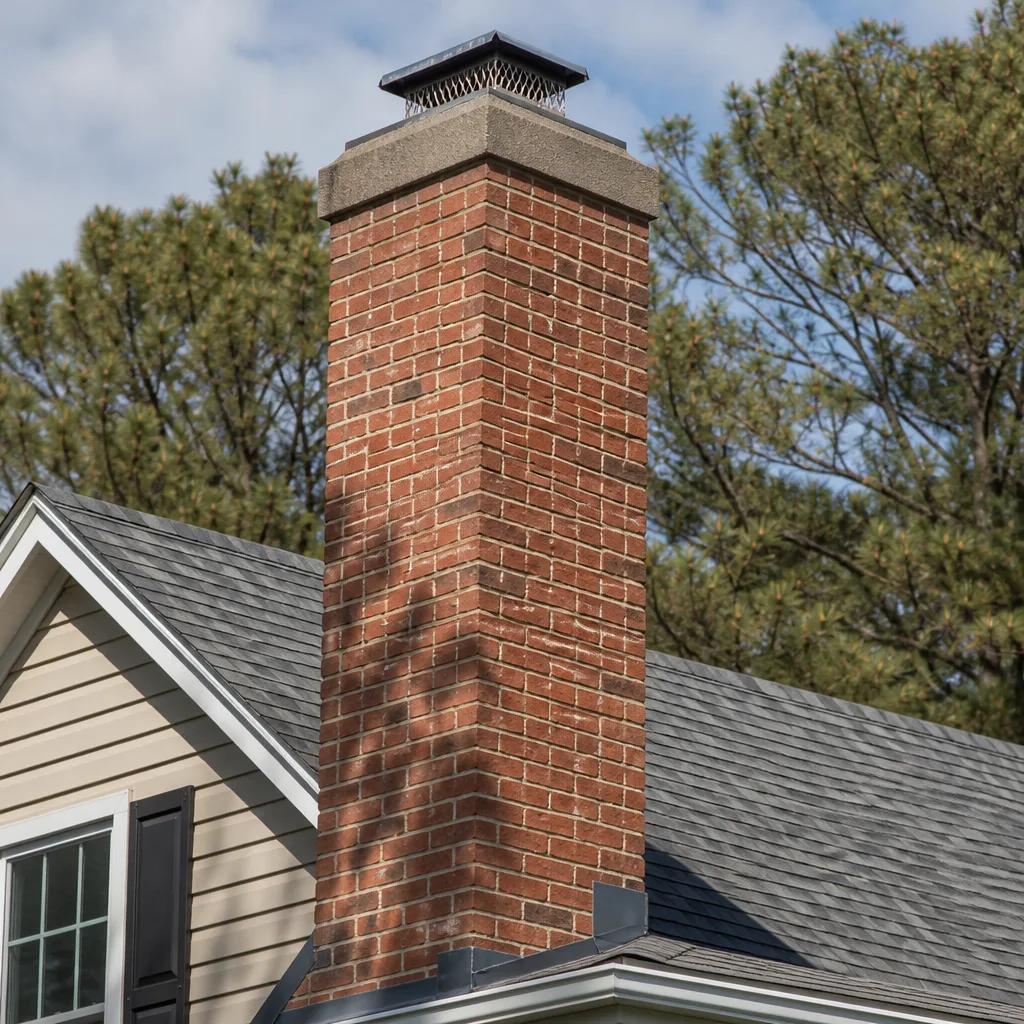 Masonry repair
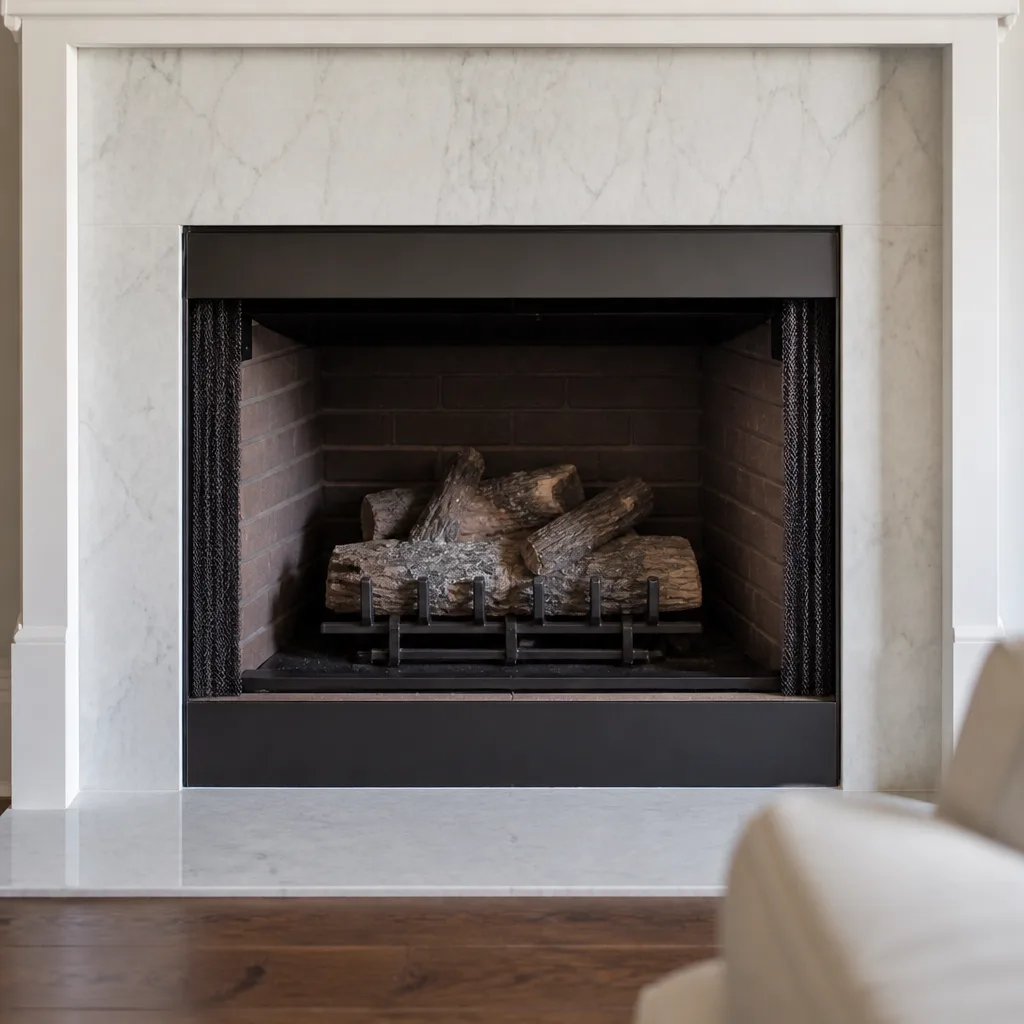 Gas fireplace service
Level 1 sweep and inspection to the NFPA 211 annual standard - flue, crown, cap, and flashing checked and photographed
Chimney sweep logs do not sweep chimneys. They loosen some creosote - which then falls where a brush and vacuum still have to collect it.
Chimney Sweep Troubleshooting in Lake Forest: Common Problems and How to Fix Them
If smoke rolls into your living room only on windy days, the problem isn’t your damper. It’s atmospheric pressure, and no amount of cleaning will fix it. Most chimney issues that homeowners try to diagnose online are actually symptoms of one upstream problem: poor draft. Fix the visible sign without fixing draft, and you’ve left the real hazard untouched. This guide teaches Lake Forest homeowners how to read their chimney as a system, not a list of isolated defects. You’ll learn which problems you can address yourself, which ones need a specialist, and how to tell the difference before you spend money on the wrong repair.
Quick Answer
Most chimney problems in Lake Forest homes trace back to one of four causes: poor draft from negative house pressure, flue blockages from eucalyptus and pepper tree residue, deteriorated flue liners, or crown and cap damage from years of sun exposure. Start by checking the easiest things first: open a nearby window when the fireplace is lit, inspect the damper, and look for visible debris. If smoke still backs up or you smell odors when the fireplace is cold, call a chimney sweep for a camera inspection before attempting any repair.
Styles & brands we work with
- Sweep & inspection
- Caps & crowns
- Flue relining
- Masonry repair
- Gas fireplace service
Table of Contents
- The Draft-First Diagnostic Framework
- Southern California Creosote: Eucalyptus and Pepper Tree Deposits
- Symptom-to-Cause Lookup Table
- Problems You Can Address Yourself
- Problems That Require a Specialist
- Flat-Roof and Cathedral-Ceiling Homes in Lake Forest
- Prevention: The Maintenance Schedule That Actually Works
The Draft-First Diagnostic Framework
Your chimney doesn’t just vent smoke. It’s part of a pressure system that includes your house, your HVAC, and the air outside. Understanding this is the fastest way to diagnose most chimney complaints accurately.
Draft is the movement of air up the flue. Three things control it: chimney height, flue diameter, and the pressure difference between inside and outside your home. When all three work together, smoke rises and exits. When one is off, smoke stalls, backs up, or gets pulled back into the house.
How Negative House Pressure Sabotages Your Chimney
Lake Forest homes built in the 1970s through the 1990s were constructed with tighter building envelopes than older homes, but many have since been renovated with newer windows, added insulation, and more powerful exhaust fans. Those changes create negative pressure inside the house. Your chimney becomes the path of least resistance for outside air to enter.
Here is what that looks like in practice:
- You light a fire. The smoke rises a few feet, then hovers or rolls back into the room.
- The problem gets worse when the bathroom fan, kitchen range hood, or clothes dryer is running.
- Opening a window near the fireplace fixes it almost immediately. This is the single most reliable test for negative pressure.
In our experience, this is one of the most common issues in Lake Forest homes with modern HVAC systems. The furnace or AC kicks on, pressurizes part of the house, and suddenly the fireplace won’t draft. The fix isn’t chimney repair. It’s balancing the house pressure or adding a dedicated combustion air source.
Chimney Height and Flue Diameter: The Physics of Draft
A chimney works because warm air rises. The taller the flue, the stronger the draft. Flue diameter matters too: too wide and the smoke cools before it exits, killing the draft. Too narrow and it can’t move enough air.
Lake Forest has a mix of single-story ranch homes, two-story traditional builds, and a significant number of flat-roof and cathedral-ceiling designs. Each chimney type behaves differently. A chimney that barely clears a flat roof will almost always draft worse than one that extends several feet above a pitched roof. The flue sizing also varies: older masonry fireplaces often have oversized flues that cool smoke too quickly, while some newer pre-fab fireplaces have precisely sized metal flues that draft efficiently when clean but clog faster when residue builds up.
When we inspect a chimney, we measure both height and diameter as part of the diagnosis. A homeowner who replaces a fireplace insert without verifying flue compatibility can easily create a draft problem that didn’t exist before.
Southern California Creosote: Eucalyptus and Pepper Tree Deposits
Creosote isn’t one substance. It varies based on what you burn and how hot the fire gets. Most national chimney advice assumes oak, pine, or maple. Lake Forest homeowners often burn eucalyptus and pepper tree wood, which are abundant here and behave differently.
Eucalyptus burns hot and fast, with a high oil content. That oil vaporizes and condenses on the flue walls as a shiny, tar-like creosote that is significantly harder to remove than the flaky creosote from oak or pine. Pepper tree wood is denser and can smolder at lower temperatures, producing a heavier, stickier deposit that adheres to flue tiles and metal liners.
Why this matters for troubleshooting: if you only burn eucalyptus, your flue will accumulate a dense, glaze-like creosote faster than a neighbor who burns oak. That creosote narrows the effective flue diameter, which reduces draft. You may notice smoke backing up after only a few months of regular burning, even if the flue was just cleaned. The solution is more frequent sweeping and, in some cases, a switch to seasoned hardwoods or manufactured logs that burn at a more consistent temperature.
Signs of Eucalyptus or Pepper Tree Creosote Buildup
- Smoke backs up into the room when you open the fireplace doors mid-burn
- A strong, tar-like odor that intensifies on humid days or after rain
- Visible shiny, dark coating on the damper or upper firebox walls
- Reduced draft that gets progressively worse over a few weeks of regular burning
This type of creosote does not respond well to DIY brushing with a basic wire brush. It typically requires rotary cleaning tools with specialized chains or whips, which a professional sweep uses. We see this often enough in Lake Forest that we inspect for it specifically on every cleaning visit.
Symptom-to-Cause Lookup Table
Before you call anyone, match what you observe to the most likely cause. This table covers the symptoms we hear about most from Lake Forest homeowners.
| Symptom | Most Likely Cause | DIY or Specialist |
|---|---|---|
| Smoke backs up only on windy days | Chimney too short for roofline, or negative house pressure | Specialist for height correction; DIY test: open window |
| Smoke backs up only when HVAC runs | Negative pressure from forced-air system | Specialist to assess combustion air needs |
| Smoke backs up every time | Blocked flue or closed damper | DIY check damper first; specialist for blockage |
| Odor when fireplace is cold | Creosote buildup or negative pressure pulling air down flue | Specialist for cleaning and pressure assessment |
| White staining on exterior chimney brick | Water intrusion through crown or cap | Specialist for crown repair or Gelco cap replacement |
| Pieces of flue tile in firebox | Deteriorated flue liner | Specialist for liner inspection and possible relining |
| Burning smell with no fire lit | Excessive creosote, or debris in smoke chamber | Specialist for cleaning |
| Rainwater entering firebox | Damaged or missing chimney cap | Specialist for cap replacement |
Keep in mind that multiple causes can occur together. A blocked flue and negative house pressure will both need addressing. The table gets you pointed in the right direction; a camera inspection confirms what’s actually happening inside the flue.
Problems You Can Address Yourself
Some chimney issues are homeowner-solvable. These are the ones we tell customers to try before scheduling a visit.
1. Check the Damper
A damper that’s partially closed or stuck is the most overlooked cause of smoke backup. Open it fully before starting a fire. If it’s rusted, warped, or won’t stay open, the damper assembly may need replacement. This is something you can see and often identify on your own before calling us.
2. Test for Negative Pressure
Light a small piece of newspaper in the firebox and watch the smoke. If it drifts lazily upward and out, draft is present. If it stalls or pushes back, crack a window or exterior door near the fireplace and try again. If the draft improves immediately, negative house pressure is your culprit. The long-term fix usually involves a combustion air vent or HVAC balancing, but you now know what’s wrong.
3. Clear Visible Debris from the Firebox
Leaves, twigs, bird nesting material, or small animal debris in the firebox can obstruct airflow at the base of the flue. Clear what you can reach safely. Do not reach up into the flue. If debris is lodged higher, call a sweep rather than trying to dislodge it yourself. You risk pushing it further up or causing it to fall onto you.
4. Inspect the Chimney Cap from the Ground
Use binoculars to look at the top of your chimney. If the cap is missing, askew, or visibly rusted through, water and debris are entering the flue. This isn’t a repair you should attempt yourself on a roof. But identifying a damaged cap from the ground saves time when you call us.
Important: Never attempt to climb onto your roof to inspect or repair a chimney. Falls from roofs cause serious injuries. Leave roof-level work to a trained professional.
Problems That Require a Specialist
Certain chimney issues are not DIY projects. They involve either safety-critical components or repairs that require specialized materials and techniques.
Deteriorated Flue Liners
Clay flue tiles crack and spall over time, especially in chimneys that have seen decades of heat cycling and occasional chimney fires. Once the liner is compromised, heat and combustion gases can reach the surrounding masonry and, in worst cases, the home’s framing. This is not a cosmetic issue.
The repair approach depends on the extent of damage. For many Lake Forest homes, a DuraFlex flexible liner system is the solution. It’s a professional-contractor standard for relining chimneys, installed as a continuous stainless steel tube inside the existing flue. This restores a safe, properly sized draft path without a full chimney rebuild. We recommend camera inspection first to document the liner condition. Nothing gets recommended without visual evidence you can see yourself.
Deteriorated Flue Tiles: HeatShield Resurfacing
Sometimes the flue tiles haven’t failed completely but are cracked, spalled, or have missing mortar joints. In these cases, a full liner may be unnecessary. HeatShield is a chimney resurfacing product that restores the interior flue surface with a specialized coating, sealing gaps and smoothing the flue wall. It’s used by certified chimney contractors and can extend the life of an otherwise sound chimney. We are certified in HeatShield installation, which means we handle this repair in-house rather than referring it out.
Crown and Cap Deterioration
The chimney crown is the concrete or mortar slab at the top of the chimney that sheds water away from the flue. In Lake Forest’s sun, crowns crack over time from thermal expansion. Once water penetrates the crown, it works into the masonry below. A Gelco chimney cap provides the replacement coverage needed. These are purpose-built caps, not improvised hardware, and they’re sourced from a brand the professional chimney trades use. A new cap alone won’t fix a cracked crown; both may need attention.
Smoke Chamber Problems
The smoke chamber sits between the firebox and the flue. In older Lake Forest chimneys, we often find corbeled brick with rough surfaces and gaps that trap creosote. This area is impossible for a homeowner to inspect without a camera. A professional sweep will check it during a standard cleaning. If the creosote buildup there is heavy, it’s a fire hazard even if the flue itself looks clean.
We use what the pros use for these repairs. DuraFlex for relining, HeatShield for resurfacing, Gelco for caps, and Olympia Chimney and Copperfield supply lines for the components we stock. The materials matter because chimney repairs are hidden once installed. You can’t see the difference between quality components and big-box substitutes, but your chimney can.
Flat-Roof and Cathedral-Ceiling Homes in Lake Forest
Lake Forest has a substantial number of flat-roof and cathedral-ceiling homes, particularly in neighborhoods built from the 1970s onward. These homes present unique chimney drafting challenges that pitched-roof homes don’t.
Why Flat Roofs Mean Weaker Draft
A chimney’s draft strength depends partly on its height above the roofline. On a pitched roof, the chimney typically rises several feet above the ridge, which helps draw air up. On a flat roof, the chimney often terminates closer to the roofline. That shorter exposed height produces weaker draft, especially on hot days when the temperature difference between inside and outside is minimal.
These homes also often have HVAC equipment mounted on the roof. Air handlers, condenser units, and exhaust fans on a flat roof can create localized turbulence that interferes with chimney performance. If your chimney is near a roof-mounted HVAC unit, you may notice smoke backup when the system cycles on, even with a clean flue and open damper.
Cathedral Ceilings and Chimney Chase Details
Cathedral-ceiling homes often route chimneys through an interior chase that runs up through the living space. This chase is shared with other utilities in some cases: wiring, ductwork, or plumbing vent lines. When the chase is not properly sealed at the top, it becomes a conduit for outside air to enter the house, which disrupts the pressure balance and pulls smoke back down the flue.
If your cathedral-ceiling fireplace drafts poorly and the problem worsens when the wind blows, the issue may be at the top of the chase, not in the firebox. This is a specialist diagnosis. We inspect the chase top and the cap assembly for gaps, missing flashing, and improper termination.
What Homeowners Can Check
- Note whether draft problems correlate with HVAC cycling. If the air conditioner or heater turning on makes the smoke back up, negative pressure is likely involved.
- Check whether opening a window or sliding door improves draft. If it does, the house pressure balance is the issue, not the chimney itself.
- Look at the chimney cap from the ground with binoculars. A missing or damaged cap on a flat-roof home lets water and debris fall directly into the flue.
- Keep records of when the chimney was last swept. Flat-roof and cathedral-ceiling chimneys often need more frequent attention because their shorter height makes them more sensitive to any obstruction.
Prevention: The Maintenance Schedule That Actually Works
Chimney problems are almost always cheaper to prevent than to fix. The schedule below reflects what we recommend for Lake Forest homes, accounting for local wood types and the mild winter burning season.
Annual Chimney Sweeping
Every wood-burning fireplace should be swept at least once a year, even if you only burn a few dozen fires per season. If you burn eucalyptus or pepper tree wood, schedule sweeping twice a year. The dense, oily creosote from those woods accumulates faster and is harder to remove. A Chimney Sweep Lake Forest cleaning includes a camera inspection of the full flue, smoke chamber, and firebox. You get a photo report showing exactly what we found and what we recommend. Nothing gets recommended without visual evidence.
Annual Dryer Vent Cleaning
Your dryer vent is a fire hazard waiting to happen. Lint accumulation restricts airflow, forces the dryer to run hotter, and creates the conditions for a lint fire. We treat dryer vent cleaning as a core service because it’s the same principle as chimney sweeping: restricted airflow creates combustion risk. We use Famco ventilation products, which are purpose-built for duct and vent applications. Once a year is the baseline. If you have a long vent run, multiple elbows, or a laundry room on an exterior wall, your schedule may need to be more frequent.
Regular Visual Checkups
Between professional cleanings, do a quick visual check once a month during burning season:
- Look at the exterior chimney from the ground for cracks, staining, or missing mortar
- Check the cap with binoculars for rust, tilt, or missing pieces
- Note any new odors from the fireplace when it’s cold
- Watch for smoke backup during the first few minutes of each fire
These checks catch problems early. The sooner we see a cracked crown or a deteriorating cap, the less extensive the repair.
Common Mistakes to Avoid
- Cleaning the visible part and ignoring the flue. Homeowners sometimes vacuum out the firebox and assume the chimney is clean. The flue is where creosote accumulates and where the fire risk lives. A clean firebox with a clogged flue is still a hazard.
- Assuming a draft problem means the chimney is dirty. If opening a window fixes the smoke backup, you have a pressure problem, not a dirty flue. Paying for a cleaning won’t solve it.
- Burning unseasoned wood. Wet or green wood smolders at low temperatures, which produces creosote rapidly. Lake Forest’s warm climate doesn’t eliminate this; it just means the creosote forms during the cooler months when you’re actually burning.
- Ignoring a damaged cap because it’s “not leaking yet.” A missing or rusted cap lets rain, leaves, and animals into the flue. Damage compounds quickly once water gets into the masonry.
- Using the fireplace as a trash incinerator. Burning cardboard, wrapping paper, or treated lumber produces intense heat and chemical residues that can damage the flue liner. Only burn seasoned firewood or approved manufactured logs.
- Delaying a camera inspection after a chimney fire. Even a small chimney fire can crack flue tiles. The damage may not be visible from the firebox. A camera inspection is the only way to confirm the liner is intact.
- Putting off dryer vent cleaning because the dryer “still works.” A dryer that runs but takes longer to dry clothes is already restricted. The lint is accumulating, and each cycle pushes the vent closer to an ignition point.
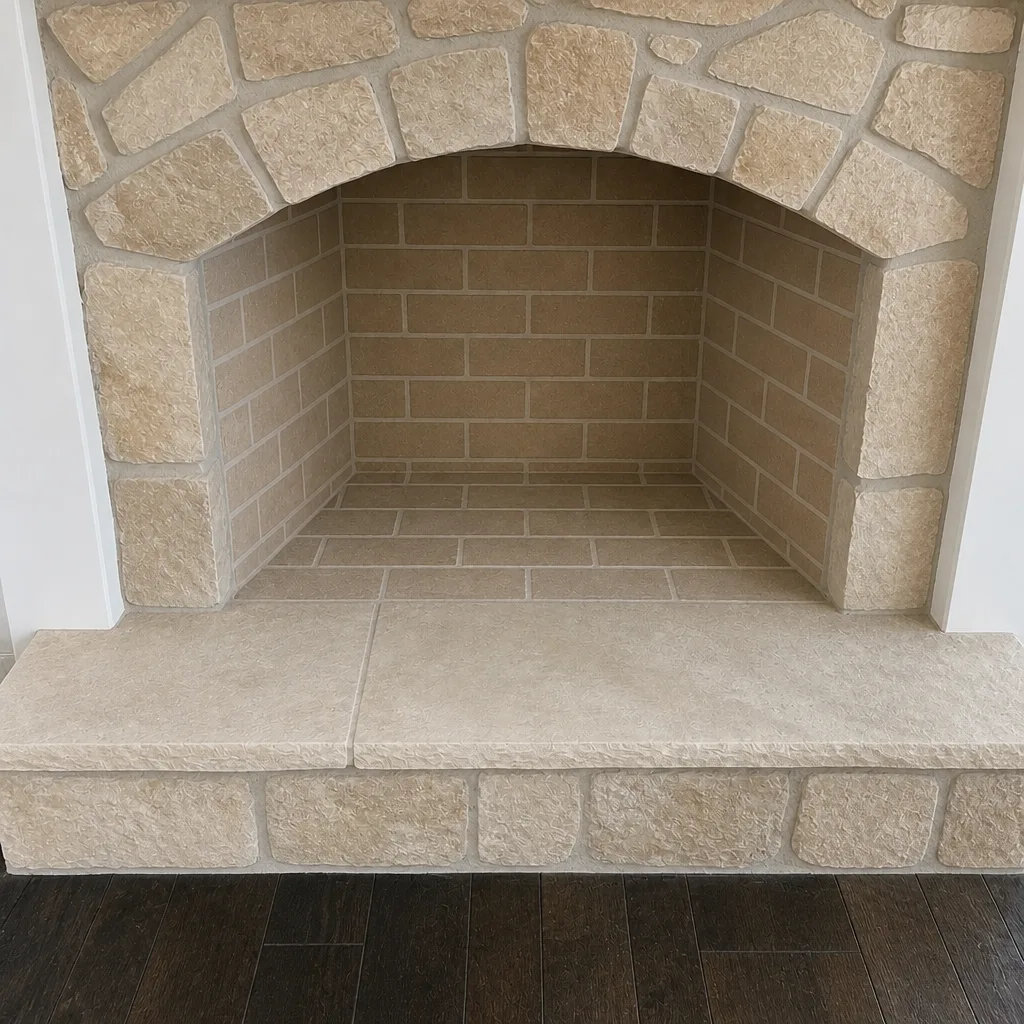
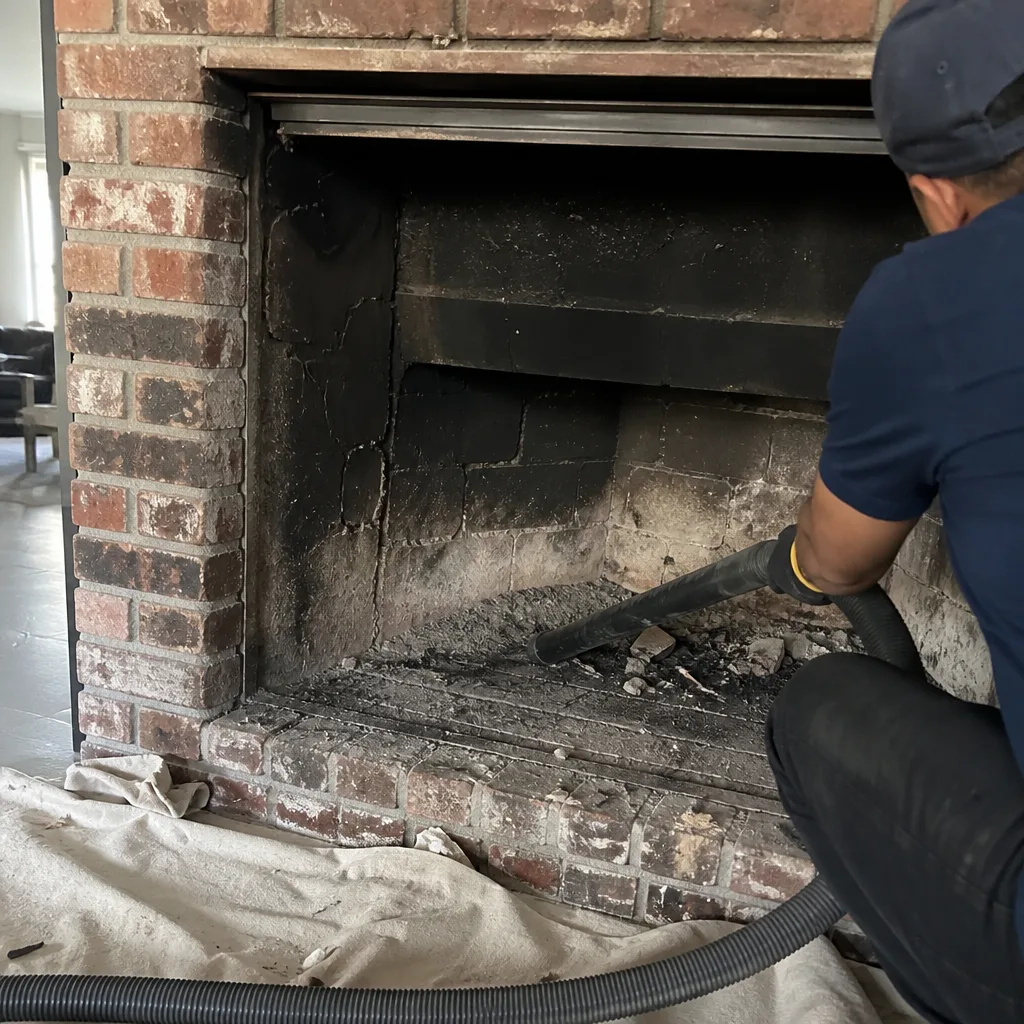
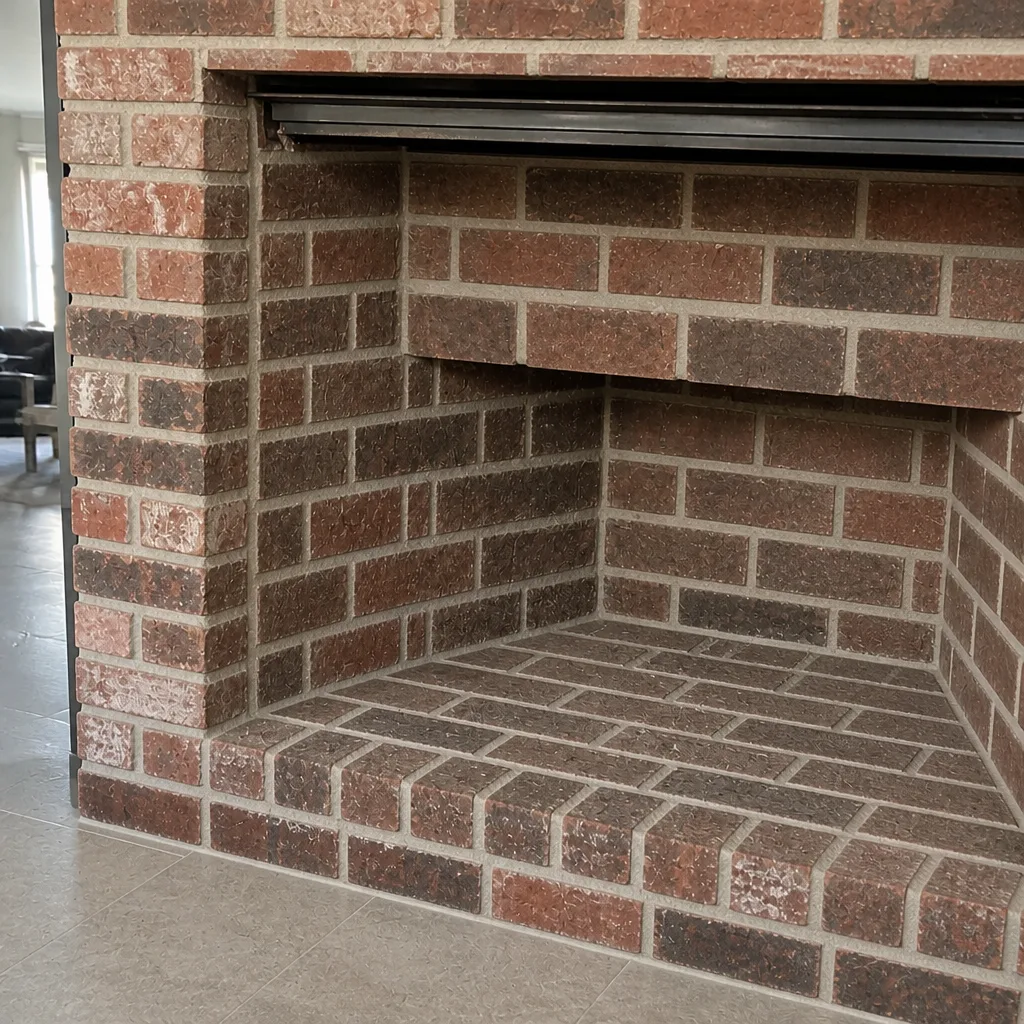
See the difference
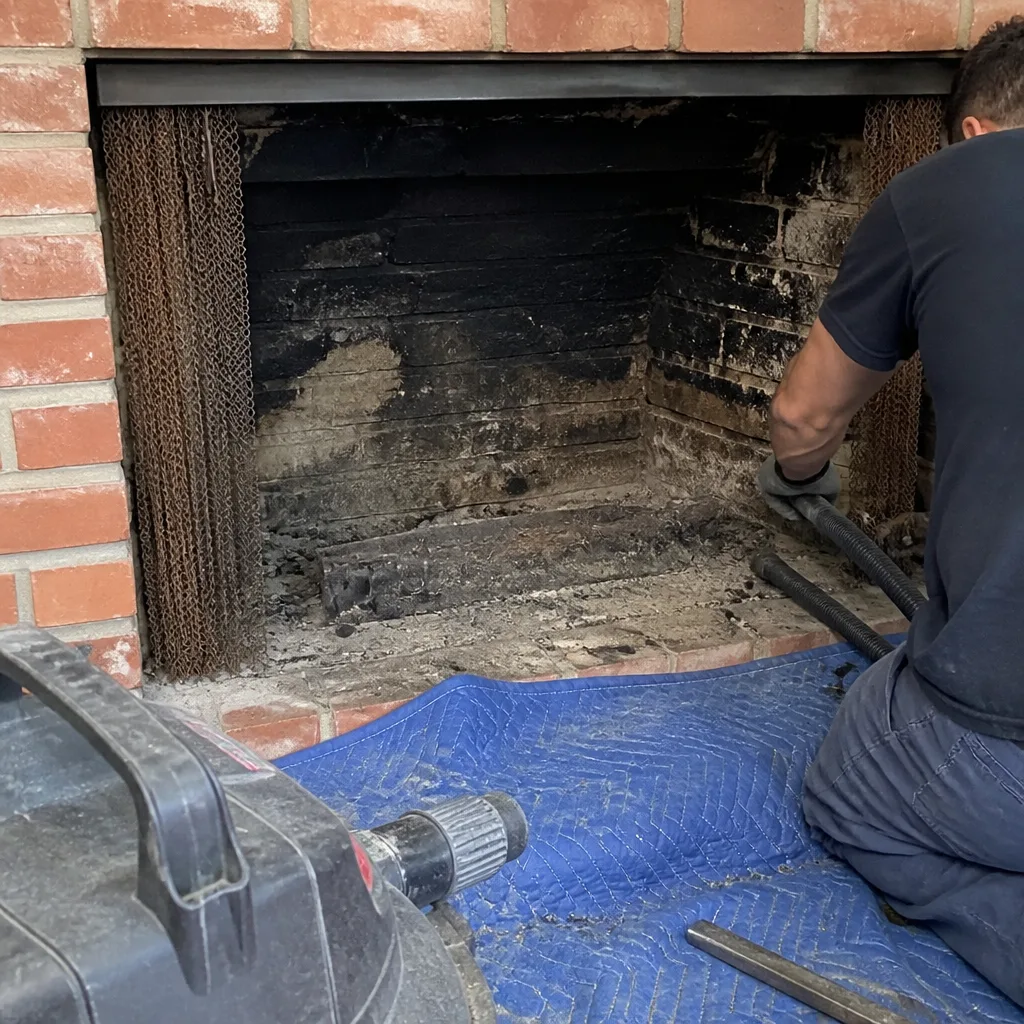 Before
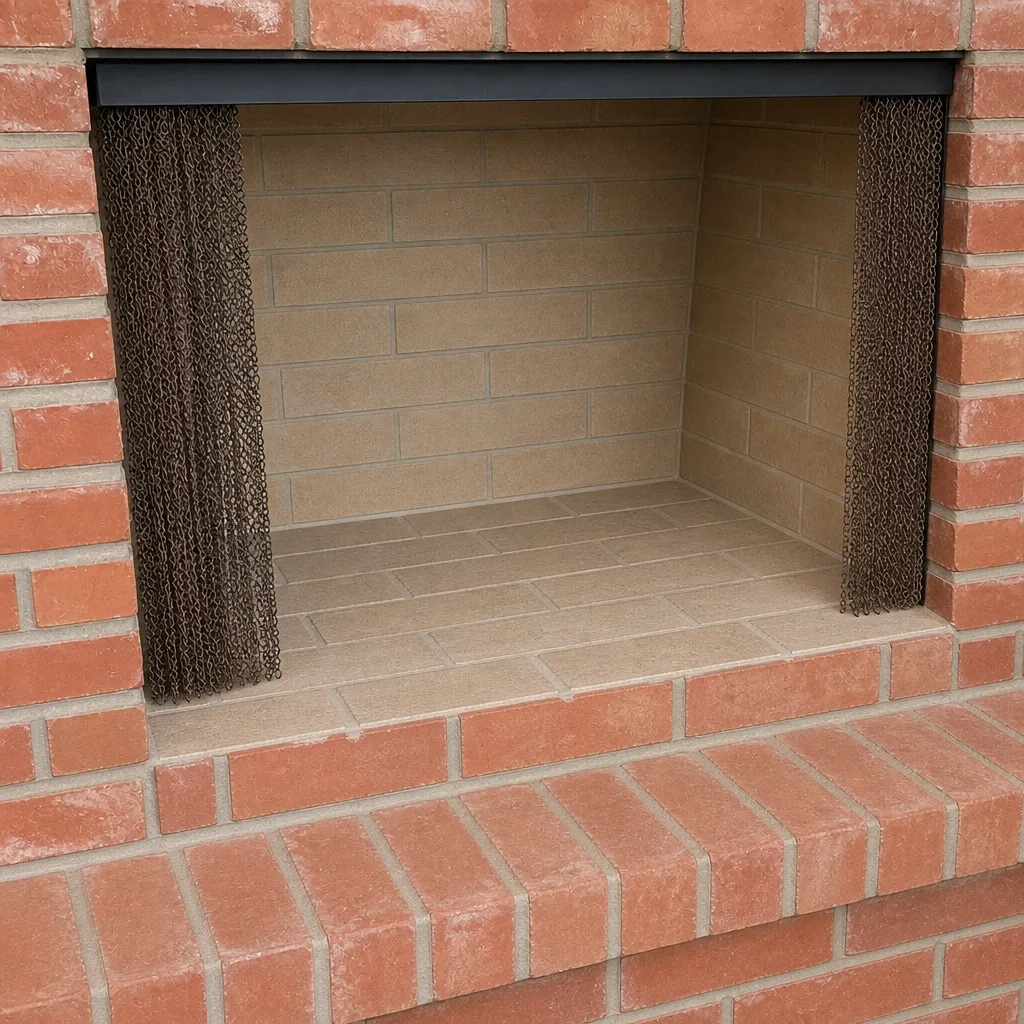 After
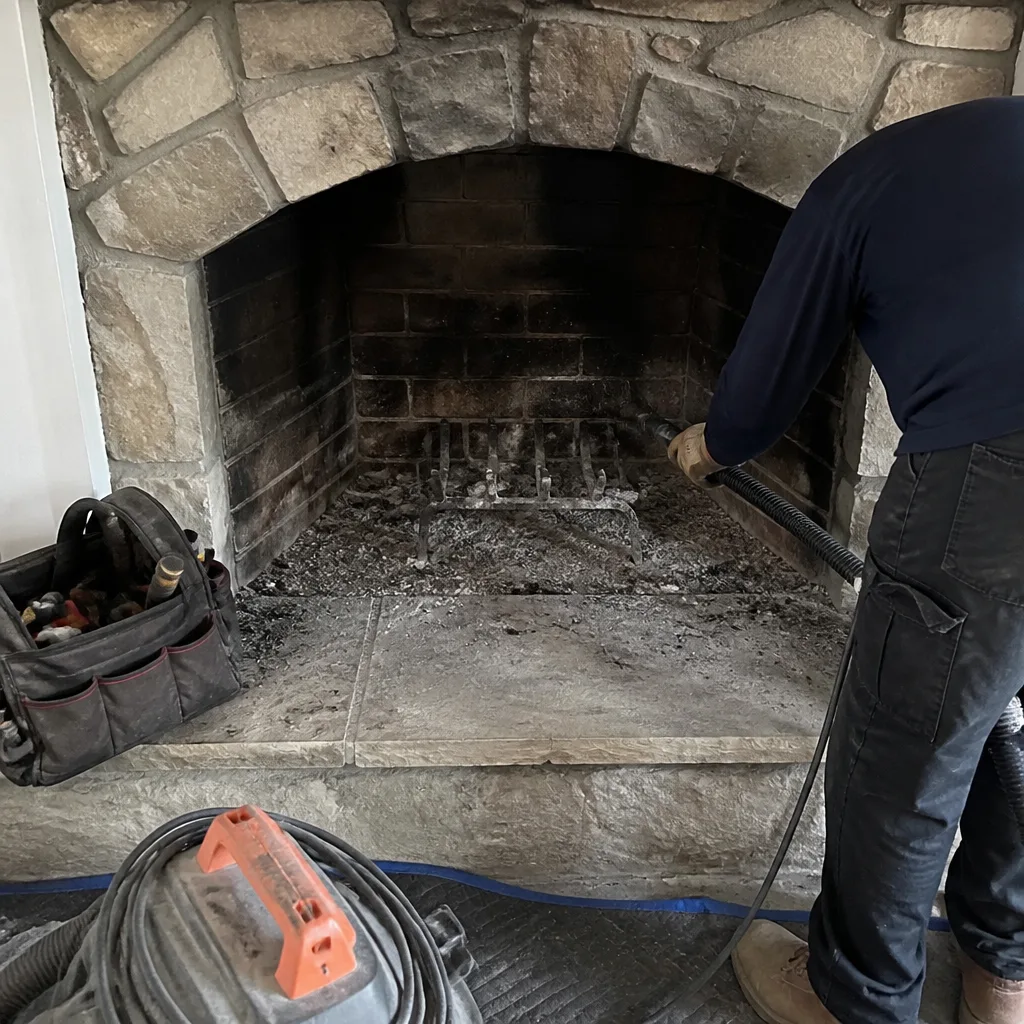 Before
 After
 Before
 After
When to Call a Professional
Call a chimney specialist if you see smoke backing up that you can’t fix by opening a window, if you smell a tar-like odor that persists after cleaning the firebox, if you find pieces of flue tile, or if water is entering the firebox after rain. These are signs of problems you cannot safely diagnose or repair yourself. A camera inspection is the correct next step, and it’s included with every sweeping.
Chimney Sweep Lake Forest offers free estimates for sweeping, repair, and dryer vent cleaning in Lake Forest and surrounding areas. Call (833) 589-9146. We answer 24/7. Fast dispatch from 7am to 7pm, Sunday through Friday.
Frequently Asked Questions
Chimney sweeping in Lake Forest typically costs between $180 and $340 depending on the size of the flue, the amount of creosote buildup, and whether the smoke chamber needs specialized rotary cleaning. The written estimate sets the final price after we see the chimney. Call (833) 589-9146 for an exact quote. Estimates are free.
A wood-burning chimney should be swept at least once a year, and twice a year if you burn eucalyptus or pepper tree wood. Those woods produce a dense, oily creosote that accumulates faster than oak or pine residue. Call (833) 589-9146 to schedule a cleaning and camera inspection.
Not necessarily. A camera inspection shows whether the existing liner is intact or compromised. If the clay tiles are cracked or spalled, options include a DuraFlex stainless liner or HeatShield resurfacing, depending on the extent of damage. We recommend nothing without visual evidence you can see yourself.
Creosote continues to accumulate on the flue walls. As the layer thickens, draft weakens and smoke backs up more frequently. Eventually, the creosote can ignite, causing a chimney fire that cracks flue tiles and creates a path for heat to reach the home’s framing. The risk increases with every fire you burn on a dirty flue.
Summer odors usually come from creosote in the flue warming up and off-gassing, or from negative house pressure pulling air down the flue into the living space. A chimney cleaning removes the creosote source. If the odor persists after cleaning, the issue is pressure-related and may need a combustion air solution.
You can brush the first few feet of flue from the firebox, but that does not clean the flue. The creosote that matters is in the upper flue and smoke chamber, where a homeowner can’t safely reach. Hardware store brushes also can’t remove the dense, glazed creosote from eucalyptus and pepper tree wood. That requires rotary cleaning equipment.
The Bottom Line
Your chimney is a system, not a single component. Smoke backup, odors, and water intrusion are all symptoms that point back to one of a few root causes: draft failure, flue blockage, liner damage, or crown and cap problems. Match the symptom to the cause before you spend money. Some issues are homeowner-solvable. Many are not. And in Lake Forest, where eucalyptus and pepper tree creosote accumulates faster than national averages and flat-roof homes complicate draft, the right diagnosis matters more than any DIY fix. Sweep. Inspect. Repair. One specialist for the whole job.
Written by the team at Chimney Sweep Lake Forest, serving Lake Forest since 2015.