
Last updated November 4, 2026
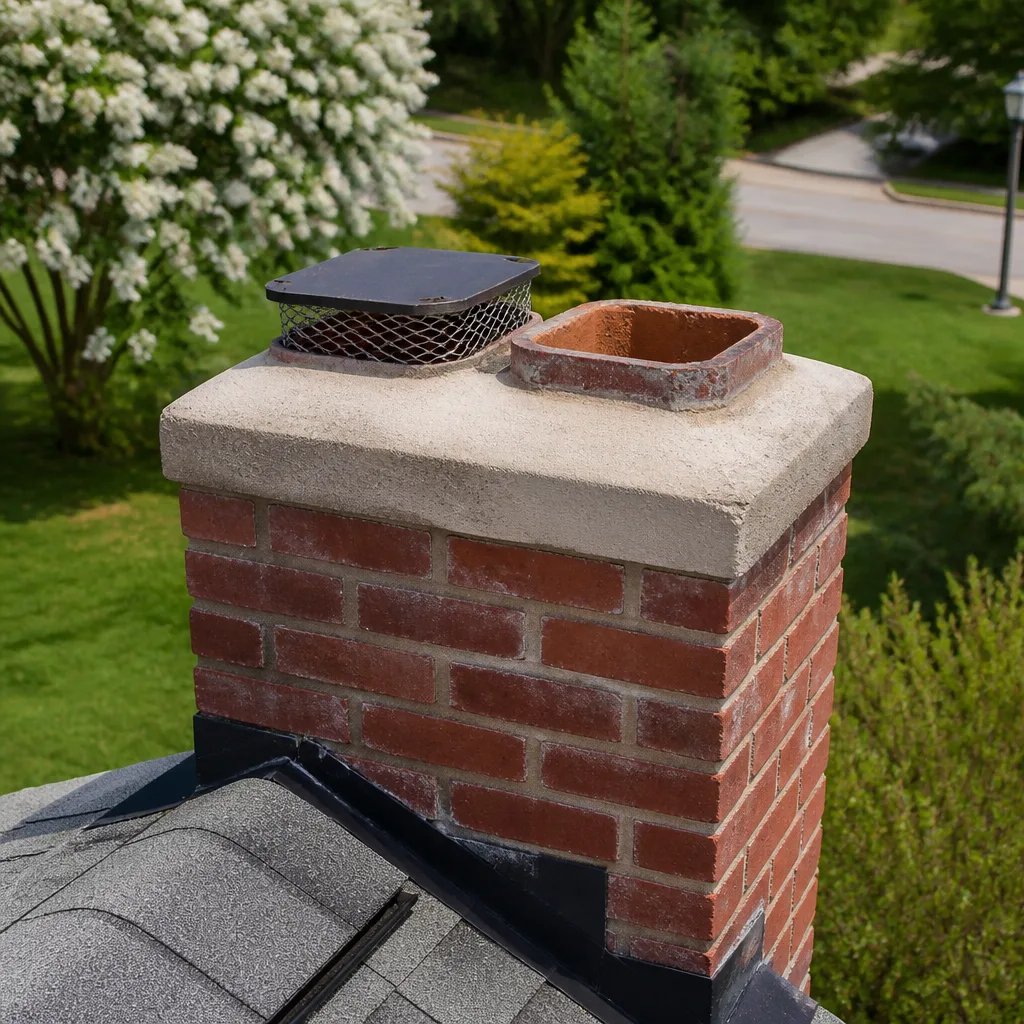 Sweep & inspection
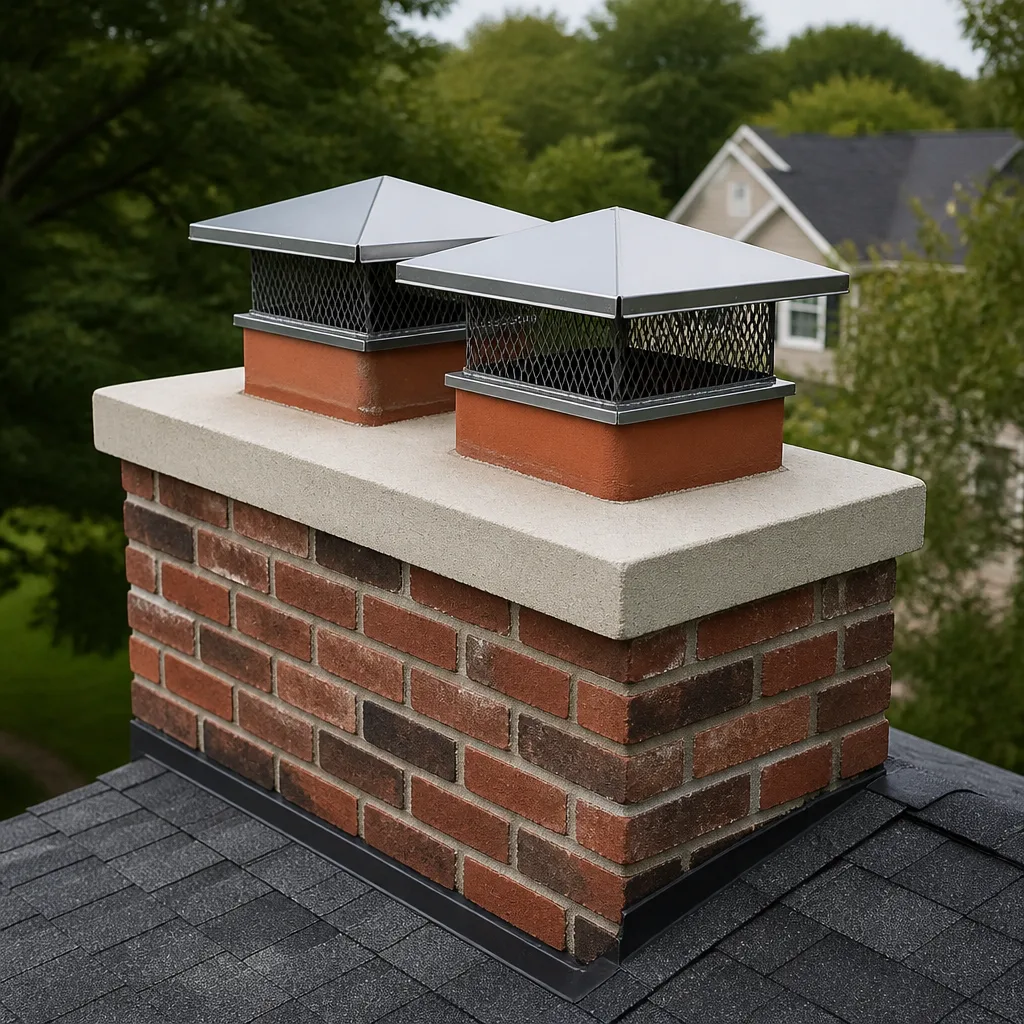 Caps & crowns
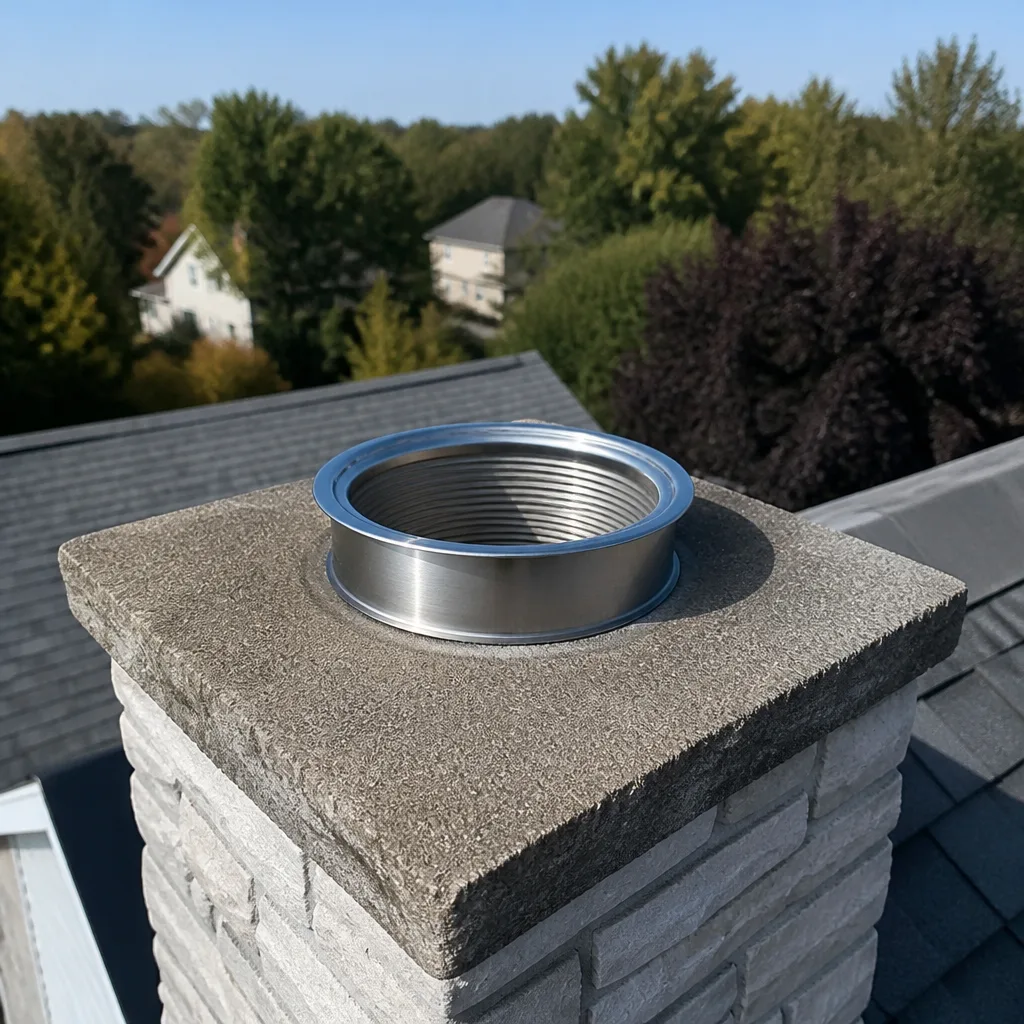 Flue relining
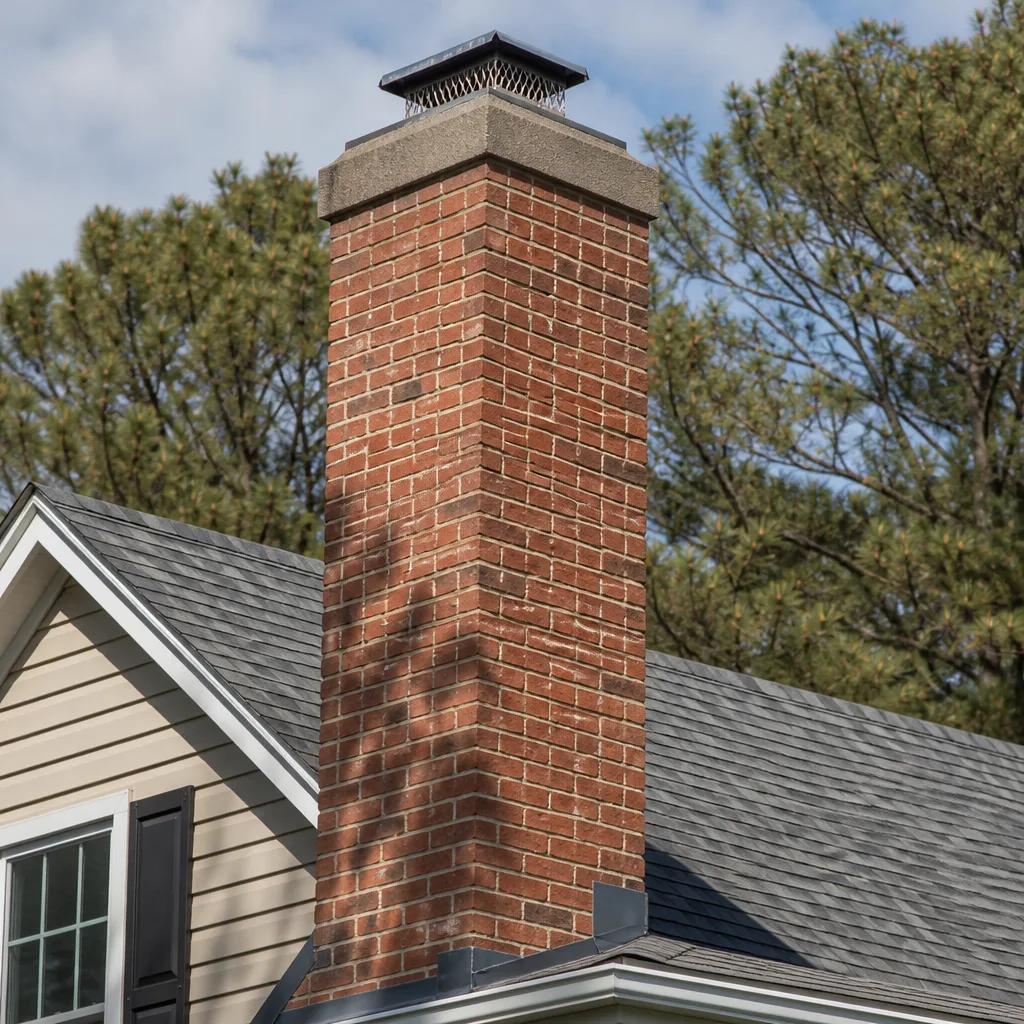 Masonry repair
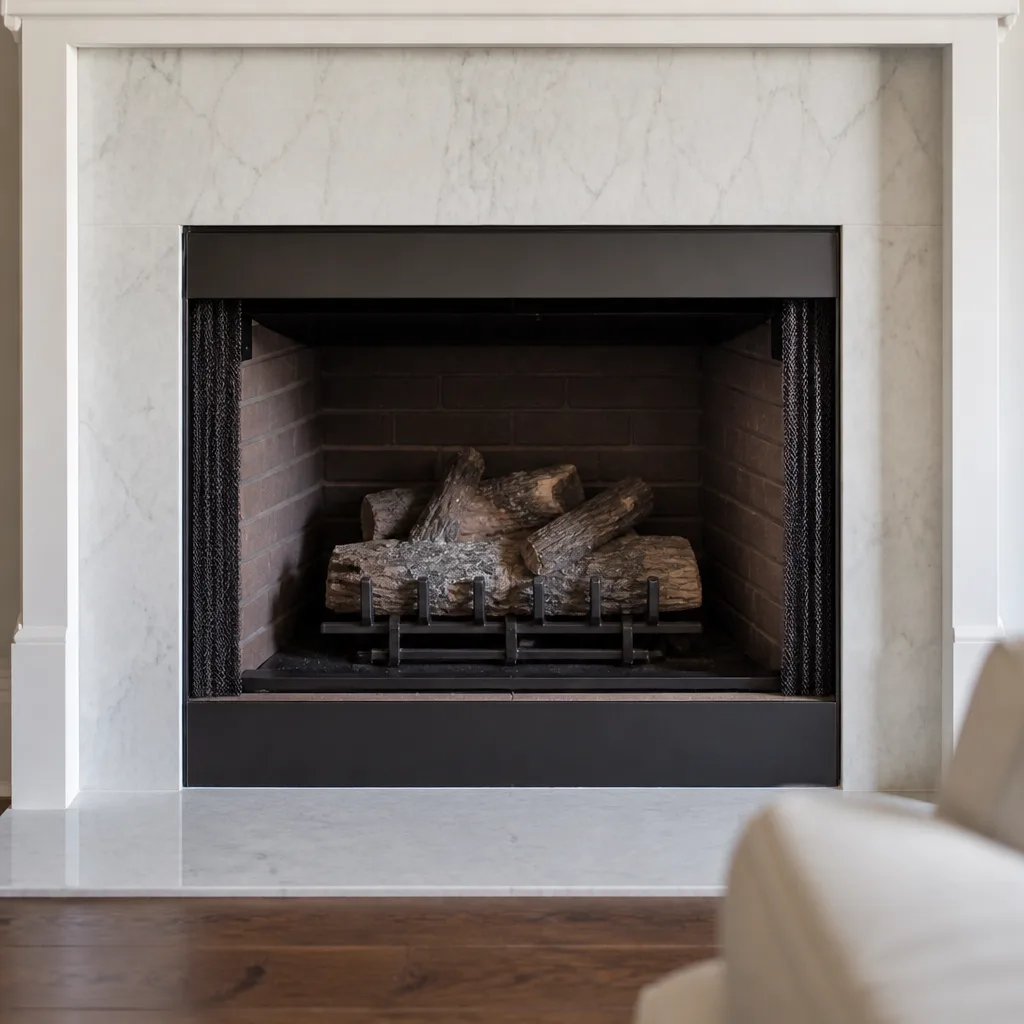 Gas fireplace service
Level 1 sweep and inspection to the NFPA 211 annual standard - flue, crown, cap, and flashing checked and photographed
Chimney sweep logs do not sweep chimneys. They loosen some creosote - which then falls where a brush and vacuum still have to collect it.
Chimney Cleaning Permits, Codes & Inspections in Lake Forest, CA: What You Need to Know
A chimney relining job done without the required permit in California can void a homeowner’s insurance coverage for fire damage, a detail most contractors never mention until it’s too late. Most homeowners in Lake Forest assume chimney work is unregulated, right up until a home inspector or insurance adjuster asks for a permit record. This guide walks through exactly where the permit line sits for cleaning, repairs, and replacements, which codes apply in Orange County, and how to protect yourself before and after the work is done.
Quick Answer
Routine chimney sweeping and minor component replacements like caps do not require a building permit in Lake Forest, CA. However, structural repairs, flue relining, and any work that alters the fireplace system’s dimensions or venting path typically requires a permit through the City of Lake Forest Building Division. A Level 2 inspection is the standard for real estate transactions and after any event that could have damaged the flue. Always ask for a written scope of work and verify permit status before authorizing repairs.
Styles & brands we work with
- Sweep & inspection
- Caps & crowns
- Flue relining
- Masonry repair
- Gas fireplace service
Table of Contents
- What Chimney Work Is Permit-Exempt in Lake Forest
- What Chimney Work Requires a Building Permit
- What Is NFPA 211 and Why It Matters in California
- How California Title 24 Intersects With Fireplace and Chimney Work
- When You Need a Level 2 Chimney Inspection
- How to Verify Permitted Chimney Work Through Lake Forest Building Division
- How Permits Affect Home Sales and Insurance Claims
- Common Mistakes to Avoid
What Chimney Work Is Permit-Exempt in Lake Forest
Not every chimney service triggers a trip to city hall. The City of Lake Forest follows the California Building Code and the Orange County model, and most routine maintenance falls outside the permit requirement. The key distinction is whether the work changes the structure, venting, or fire-resistance of the system. Cleaning and inspection jobs that leave the chimney as-built are treated as maintenance, not modification.
Here is what Lake Forest homeowners can typically do without pulling a permit:
- Chimney sweeping: removing creosote and soot from the flue interior. A chimney sweep uses brushes and rods that do not alter the masonry or liner.
- Chimney cap replacement: swapping a damaged cap for a new one, provided the new cap does not change the flue diameter or draft characteristics. We use Gelco caps and covers because they are purpose-built for this, not improvised hardware from a big-box shelf.
- Visual inspection: Level 1 or Level 2 camera inspection of the flue interior, smoke chamber, and exterior masonry. An inspection is diagnostic and does not modify anything.
- Minor masonry pointing: small tuckpointing jobs that restore existing mortar joints without rebuilding any structural component. The key word is minor. If a mason is replacing bricks or rebuilding a firebox, the permit conversation changes.
- Chimney crown sealing: applying a sealant to a crown that is intact but porous. This is considered maintenance, not structural repair.
Even permit-exempt work should be done by someone who knows what the finished condition needs to look like. A sweep that misses a cracked flue tile has left a latent defect in place. A cap installed incorrectly can change draft and push carbon monoxide into the living space. In our experience cleaning and inspecting chimneys across Lake Forest, the paperwork is rarely the hard part, the thoroughness is.
What Chimney Work Requires a Building Permit
When the work changes the flue path, the liner material, the firebox dimensions, or the structural integrity of the chimney, Lake Forest treats it as construction, not maintenance. That means a permit through the Building Division, an inspection at the appropriate stage, and a final sign-off that becomes part of the property record.
These jobs generally require a permit in Lake Forest:
- Flue relining: installing a new liner system, whether rigid or flexible, changes the venting characteristics of the chimney. A reline with a professional-grade system like DuraFlex restores a safe flue path, but the modification itself is structural to the fire protection assembly.
- Chimney resurfacing: products like HeatShield are used to restore deteriorating flue tiles from the inside. Because this alters the flue surface and fire-resistance rating, it is treated as a repair subject to permit.
- Firebox rebuild: replacing firebrick or refractory panels, changing the firebox dimensions, or altering the damper assembly. The firebox is the primary containment area, and changes there affect the whole system.
- Masonry rebuild: rebuilding any section of the chimney above the roofline, including corbeling, new crown construction, or re-flashing that requires structural alteration.
- Venting system modification: changing from a wood-burning setup to a direct-vent gas insert, altering the flue diameter, or re-routing the venting path. This is a mechanical and structural change, not a like-for-like replacement.
The permit process in Lake Forest typically requires a scope of work, a plan or diagram for anything beyond a straightforward like-for-like replacement, and an inspection after the work is complete. A reputable chimney contractor will tell you upfront if the job needs a permit and will not pressure you to skip it. If a contractor suggests doing permitted work without the paperwork, that is a red flag, not a favor.
What Is NFPA 211 and Why It Matters in California
NFPA 211 is the National Fire Protection Association standard for chimneys, fireplaces, vents, and solid fuel-burning appliances. It is not a law itself, but California jurisdictions, including Lake Forest, use it as the baseline reference for what constitutes a safe and code-compliant chimney system. When a building inspector evaluates chimney work, they are comparing it against the California Building Code, which draws heavily from NFPA 211 for clearance, construction, and inspection requirements.
Here is what NFPA 211 establishes and why it matters for a Lake Forest homeowner:
- Inspection levels: NFPA 211 defines three levels of chimney inspection. Level 1 is the routine check during a sweep. Level 2 is the camera-based inspection required for real estate transactions and after a chimney fire, seismic event, or appliance change. Level 3 is an invasive inspection that involves opening walls or masonry.
- Clearance to combustibles: the standard sets minimum distances between the chimney exterior and framing, insulation, and other combustible materials. Homes built before modern standards often have clearances that do not meet current requirements.
- Flue sizing: the flue must be sized correctly for the appliance it serves. A flue that is too large for a modern gas insert can cause condensation and drafting problems. One that is too small can trap combustion gases.
- Maintenance trigger: NFPA 211 says chimneys should be inspected at least once a year and cleaned when creosote accumulation reaches 1/8 inch. This is the technical basis for the annual sweep recommendation most Lake Forest homeowners hear.
When a contractor references NFPA 211 in a repair recommendation, it is not jargon, it is the standard an inspector would use to evaluate the same condition. If a sweep tells you the flue needs a Level 2 inspection, that means they saw something that falls outside the visual-only scope of a maintenance visit. It is the same threshold a building official would apply.
How California Title 24 Intersects With Fireplace and Chimney Work
California’s Title 24 is the state’s energy code, and it matters more for fireplace work than most homeowners expect. The code regulates new construction and major alterations, and while a chimney sweep does not trigger Title 24, a reline, rebuild, or fireplace replacement can. Lake Forest sits within the Southern California climate zone, where Title 24 requirements for building envelopes and ventilation are enforced through local building departments.
Relevant Title 24 touchpoints for chimney work include:
- Fireplace efficiency standards: when a fireplace is replaced or significantly altered, the new appliance must meet current efficiency standards. Older open-hearth fireplaces are grandfathered until they are modified, but once you change the firebox or venting, the modern standard applies.
- Building envelope sealing: any penetration through the roof or exterior wall, including a chimney, must be properly sealed and flashed to prevent air leakage. When a chimney is rebuilt or re-flashed, the sealing work falls under Title 24’s energy performance requirement.
- Air quality regulations: California has some of the strictest wood-burning appliance regulations in the country. While Lake Forest is not in a mandatory no-burn zone, new wood-burning appliances installed here must meet state efficiency and emissions standards.
The practical takeaway is this: if your chimney job is limited to cleaning, inspection, or a cap replacement, Title 24 is not in play. If you are relining, rebuilding, or swapping appliances, the energy code becomes part of the permit and inspection process. A contractor who does not mention Title 24 on a reline job is likely not pulling a permit, which means the work may not comply with state energy standards either.
When You Need a Level 2 Chimney Inspection
A Level 2 chimney inspection is the standard for any situation where the flue’s structural integrity cannot be verified by eye alone. It uses a camera to look at the full length of the flue, the smoke chamber, and the exterior condition of the masonry. Under NFPA 211, a Level 2 inspection is required in several specific circumstances.
Here is when a Lake Forest homeowner needs one:
- Real estate transaction: California real estate contracts and national home inspection standards generally require a Level 2 chimney inspection when a property changes hands. If you are buying a home in the Foothill Ranch or Portola Hills neighborhoods of Lake Forest, do not settle for a visual once-over. The seller’s disclosure obligations and the buyer’s due diligence both point to a camera inspection.
- After a chimney fire: any evidence of a chimney fire, even a small one, means the flue and surrounding masonry must be camera-inspected before the fireplace is used again. A chimney fire can crack flue tiles in ways that are invisible from the top or bottom.
- After a seismic event: Southern California gets earthquakes, and a shift can crack masonry or separate flue sections. If your Lake Forest home has felt a notable shaker since the last inspection, a Level 2 is the responsible next step.
- Before changing the appliance: installing a gas insert into a wood-burning firebox, or swapping one gas unit for another, requires verification that the existing flue is suitable. The Level 2 inspection confirms the liner is intact, the flue is sized correctly, and the system can handle the new appliance’s draft requirements.
- When a Level 1 finds something: if a routine sweep uncovers a crack, spalling, or creosote buildup that suggests internal damage, we escalate to a Level 2 as a matter of course. It is the difference between saying “it might be fine” and knowing it is.
The Level 2 report becomes a document you can show a buyer, an insurer, or a building inspector. It is proof of condition, not just opinion. For homeowners doing their due diligence in Lake Forest, the camera footage is the strongest evidence you can hold.
How to Verify Permitted Chimney Work Through Lake Forest Building Division
Verifying whether prior chimney work was permitted is straightforward in Lake Forest, and it should be on every homebuyer’s checklist. The City of Lake Forest Building Division maintains permit records for properties within city limits, and these records are available to the property owner or a prospective buyer with authorization.
Here is the step-by-step process:
- Locate the property’s APN: the Assessor’s Parcel Number is on your property tax bill or available through the Orange County Assessor’s office. You will need this to pull records.
- Contact the Lake Forest Building Division: request a permit history search for the property. There may be a records search fee, but the information is public once you have the APN and proof of interest in the property.
- Ask for the specific scope: a permit record that says “fireplace” or “chimney” is not enough. Ask for the permit’s scope of work and the final inspection sign-off. That tells you what was authorized and whether it was completed to code.
- Check for open permits: an open permit means the work was started but never received a final inspection. This matters because insurance companies can deny claims on work that was never finalized.
- Request copies of the inspection reports: if the work involved a reline or rebuild, the final inspection report should note the materials used and the inspector’s sign-off. This is the paper trail that protects you later.
If no permit exists for work that should have required one, do not panic, but do not ignore it either. A Chimney Sweep Lake Forest inspection can document the current condition, and from there you can decide whether the unpermitted work is sound or needs to be brought into compliance. In some cases, the work is solid but was simply done without the paperwork; the fix is a retroactive permit and inspection. In others, the work was never correct in the first place, and the only safe path is a proper repair.
How Permits Affect Home Sales and Insurance Claims
This is the section most contractors gloss over, and it is the one that can cost a Lake Forest homeowner the most. Permits are not just a bureaucratic hoop. They are the paper trail that tells an insurer the fire protection assembly on your home was installed and inspected according to code. When that trail is missing, the insurer’s adjuster has a reason to deny a claim.
Consider the most common scenario: a homeowner has a chimney fire that damages the roof structure. The insurer investigates and finds the homeowner had a flue reline done five years earlier. The homeowner paid for it. The contractor did the work. But no permit was pulled and no inspection performed. The insurer can argue that the work was never verified, that the condition leading to the fire may have existed because the work was defective, and that the homeowner assumed the risk by using an unpermitted contractor. This is not theoretical; it is the exact reasoning used in California fire claims.
On the sale side, an unpermitted chimney modification must be disclosed by law. A seller who fails to disclose it faces liability after the close. A buyer who discovers it can demand remediation or walk. The cleanest path is to verify permits before listing, or before closing, not after the inspection report comes back with questions.
For a homeowner who discovers unpermitted chimney work, the repair path usually involves either a retroactive permit with an inspection, or a full replacement of the unpermitted component. Which one applies depends on what the work was and whether it is accessible for inspection. A professional assessment should document the condition first, then map the compliance path. That is the practical, honest approach we take with homeowners across Lake Forest.
Common Mistakes to Avoid
- Assuming a sweep covers the inspection: a Level 1 sweep is visual. It does not confirm the internal condition of the flue. If you are buying a home or have not had a camera inspection done, ask specifically for a Level 2.
- Letting a contractor talk you out of a permit: any contractor who says “we can do it faster without the paperwork” is putting your liability above their convenience. The permit protects you, not them.
- Treating a cracked cap as a cosmetic issue: a damaged cap lets water into the flue and can allow ember escape. It is a real repair, even if it does not require a permit. And the replacement should be a proper chimney component, like a Gelco cap, not a generic piece of hardware.
- Skipping the Level 2 inspection on a purchase: the cost of a camera inspection is trivial compared to discovering a cracked flue after you own the house. Lake Forest has a large stock of homes built over several decades, and flue condition varies widely by age and maintenance history.
- Ignoring the clearances in an older home: many Lake Forest homes built before current code revisions have clearances that do not meet modern standards. A visual inspection will not catch this; a knowledgeable chimney professional will.
- Filing the permit but skipping the final inspection: an open permit is an unresolved liability. The work is not considered complete until the inspector signs off. Close the loop.
- Not keeping your records: when you do get permitted work done, keep the permit, the inspection report, and the scope of work. If you sell, that folder is worth more than any verbal assurance.
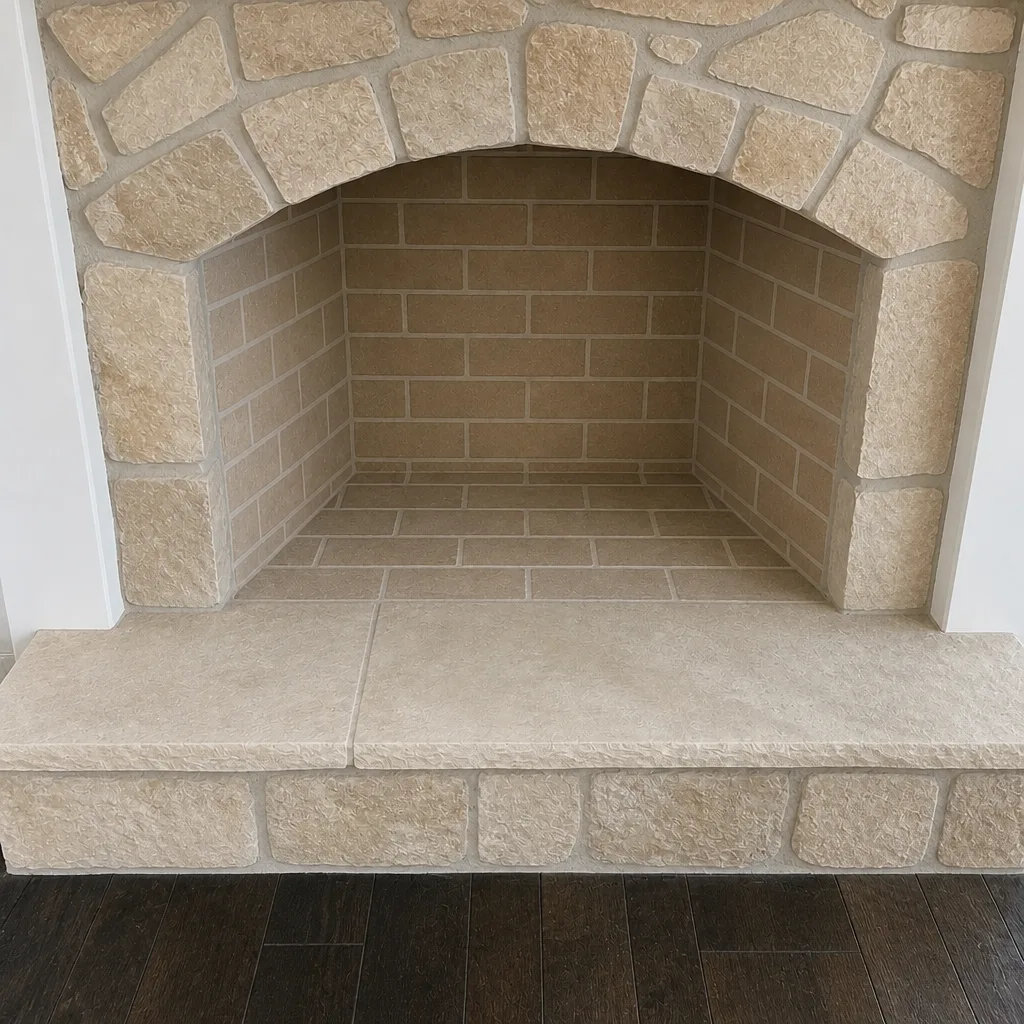
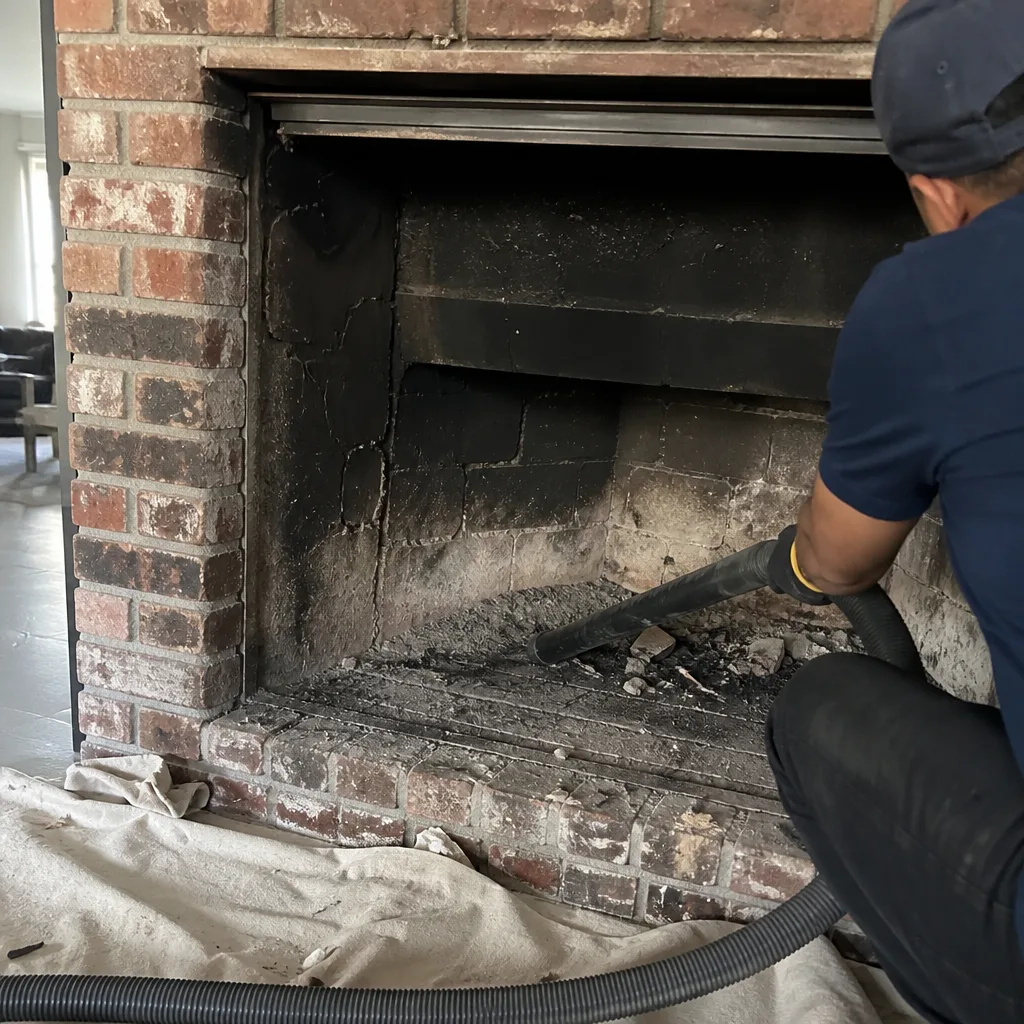
See the difference
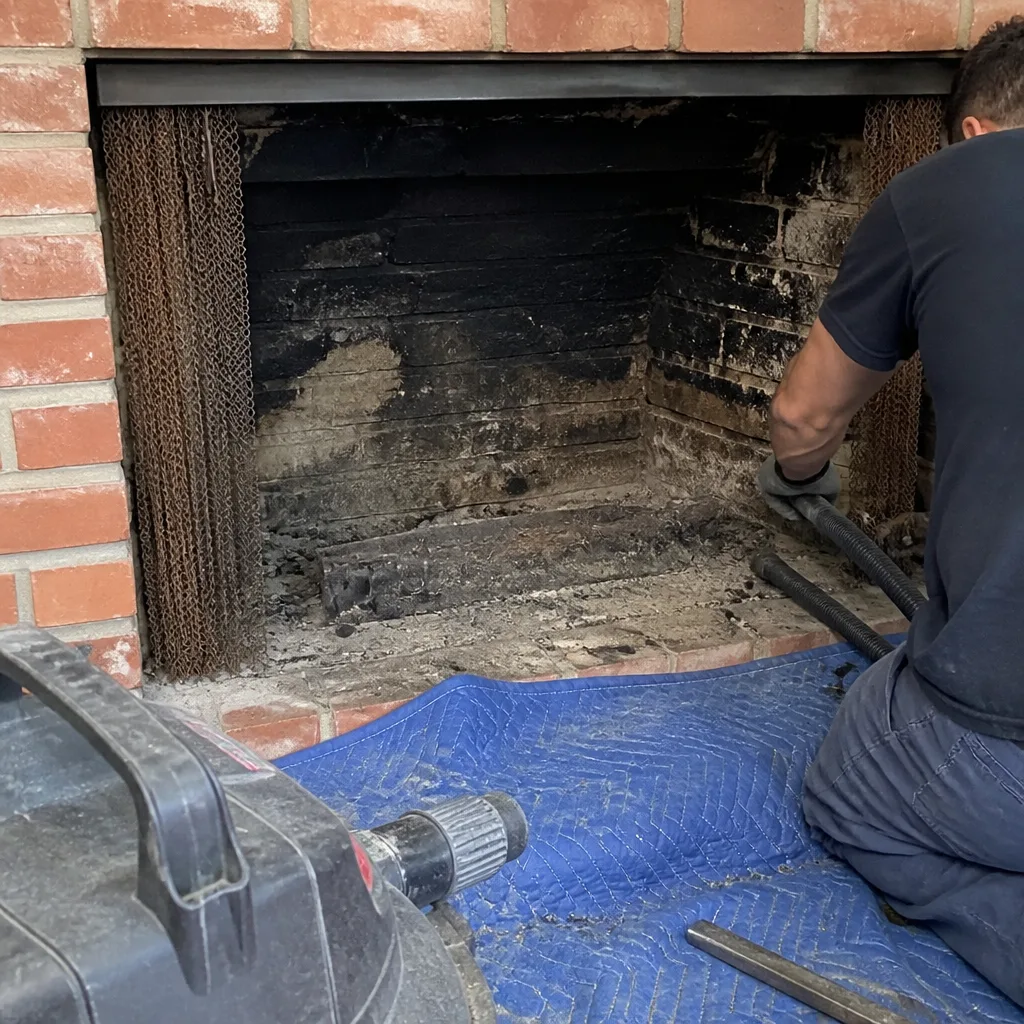 Before
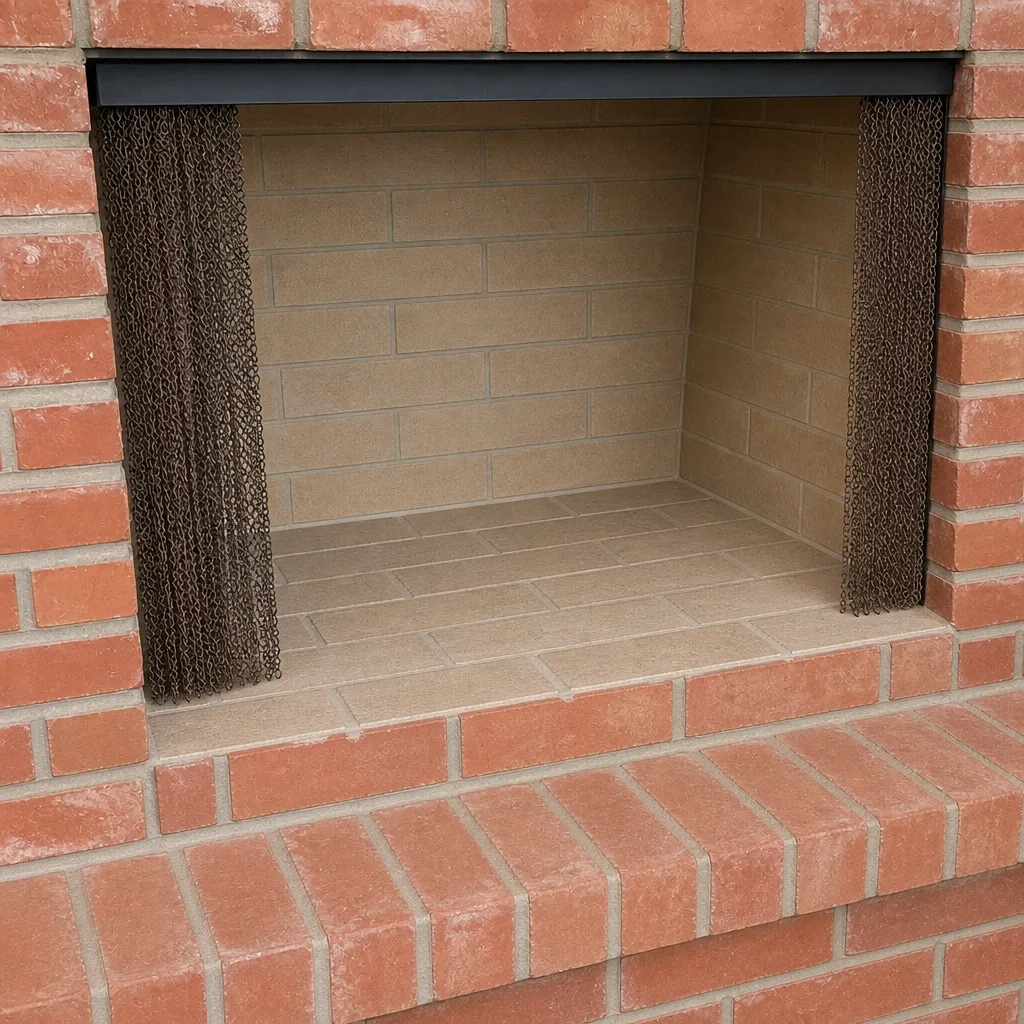 After
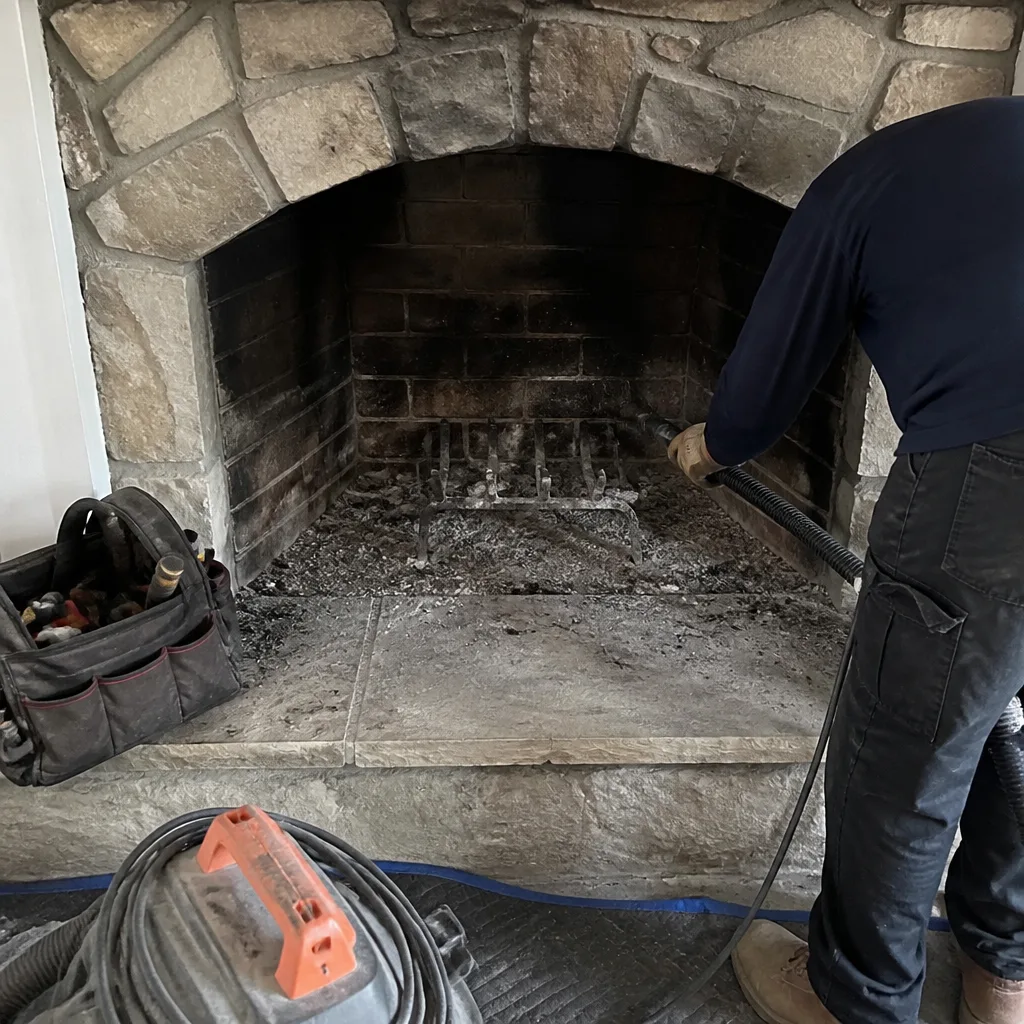 Before
 After
 Before
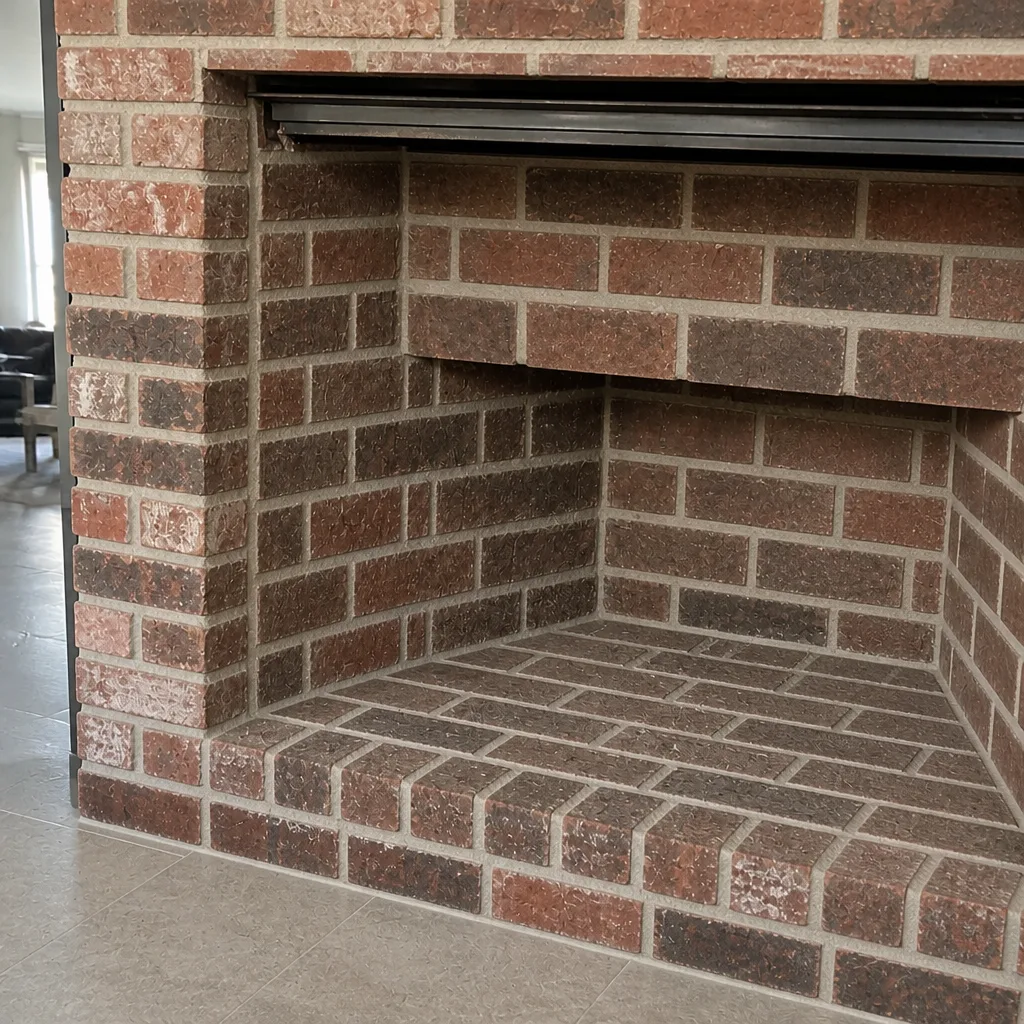 After
When to Call a Professional
If you are not sure whether your chimney work needs a permit, start with a qualified chimney sweep who can assess the system and tell you where the work falls. You should call a professional if you notice any of these: visible cracks in the firebox or exterior masonry, water staining around the chimney or ceiling, a drafting smell when the fireplace burns, creosote buildup you can scrape with a finger, or a known need for relining or resurfacing. If you are buying or selling a home anywhere in Lake Forest, a Level 2 inspection should be part of the process. If your dryer vent has not been cleaned and you cannot remember the last time you saw it done, dryer vent cleaning is a separate safety item worth scheduling. Chimney Sweep Lake Forest offers free estimates in Lake Forest. Call (833) 589-9146. We answer 24/7. Fast dispatch from 7am to 7pm, Sunday through Friday.
Frequently Asked Questions
No, routine chimney sweeping does not require a permit in Lake Forest. The work is classified as maintenance because it does not alter the structure, liner, or venting path. A standard sweep removes creosote and soot using brushes and rods, and no building modification occurs. If the sweep uncovers damage that requires repair, the repair itself may need a permit depending on the scope. Call (833) 589-9146 for a free estimate and we will tell you upfront if any work needs to go through the city.
Yes, chimney relining in Orange County, including Lake Forest, requires a building permit because it alters the fire protection assembly and changes the flue’s venting characteristics. A reline with a system like DuraFlex restores a safe flue path, but the modification is structural to the fireplace system. The permit involves a scope of work, an inspection, and a final sign-off. If a contractor tells you a reline can be done without a permit, that is a warning sign. Call (833) 589-9146 and we will walk through what the permit process actually looks like for your specific chimney.
A Level 2 chimney inspection is a camera-based inspection of the full flue length, smoke chamber, and exterior masonry that is required during real estate transactions, after a chimney fire, after a seismic event, or before changing the appliance type. In California, it is the standard referenced by NFPA 211 and applied by home inspectors and building officials alike. A Level 1 sweep is visual only and cannot verify internal flue condition. If you are buying a home in Lake Forest, insist on a Level 2, not just a visual check.
Yes, unpermitted chimney work can void insurance coverage for a fire claim in California. When an insurer investigates a chimney fire and finds that relining, rebuilding, or structural repair was done without a permit and inspection, the adjuster can argue the work was never verified as code-compliant and deny the claim on that basis. The permit is the paper trail that protects you. If you discover unpermitted work on your Lake Forest home, the path forward is a documented inspection and possible retroactive permit.
NFPA 211 says chimneys should be inspected at least once a year and cleaned when creosote reaches 1/8 inch. In Lake Forest, where winters are mild and fireplace use is seasonal rather than daily, most wood-burning homeowners are fine with an annual sweep. Homes with older appliances, unseasoned wood, or frequent fires may need more frequent attention. The key is the inspection, not a fixed calendar; the sweep confirms the flue is safe and catches problems before they become expensive repairs.
Yes, gas fireplace chimneys need inspection and periodic cleaning, though the concerns differ from wood-burning systems. Gas fireplaces produce less creosote but can develop soot buildup, bird nests, debris, or corrosion in the venting. A blocked or damaged gas vent can push carbon monoxide into the living space. In Lake Forest, where many homes have gas inserts or direct-vent units, an annual inspection is still the smart baseline.
Yes, you can request a permit history search through the City of Lake Forest Building Division using the property’s Assessor’s Parcel Number. The records will show what work was permitted, whether it received a final inspection, and whether any permits remain open. This is a standard due diligence step for homebuyers and one we recommend for any property where a fireplace or chimney modification is disclosed or suspected.
The Bottom Line
Routine chimney cleaning in Lake Forest is permit-exempt, but the repairs and component replacements that often follow a thorough inspection can cross into permit territory quickly. Relining, resurfacing, firebox rebuilds, and structural masonry work all require a building permit through the City of Lake Forest, and the paper trail matters for insurance claims and future home sales. A Level 2 inspection is the standard for real estate transactions and after any event that could have compromised the flue. The responsible approach is simple: document the condition, follow the permit process where it applies, and use a contractor who treats the paperwork as part of the job, not an optional extra. If you have questions about your chimney in Lake Forest, call (833) 589-9146. We answer 24/7. Fast dispatch from 7am to 7pm, Sunday through Friday.
Written by the team at Chimney Sweep Lake Forest, serving Lake Forest since 2015.