
Last updated November 4, 2026
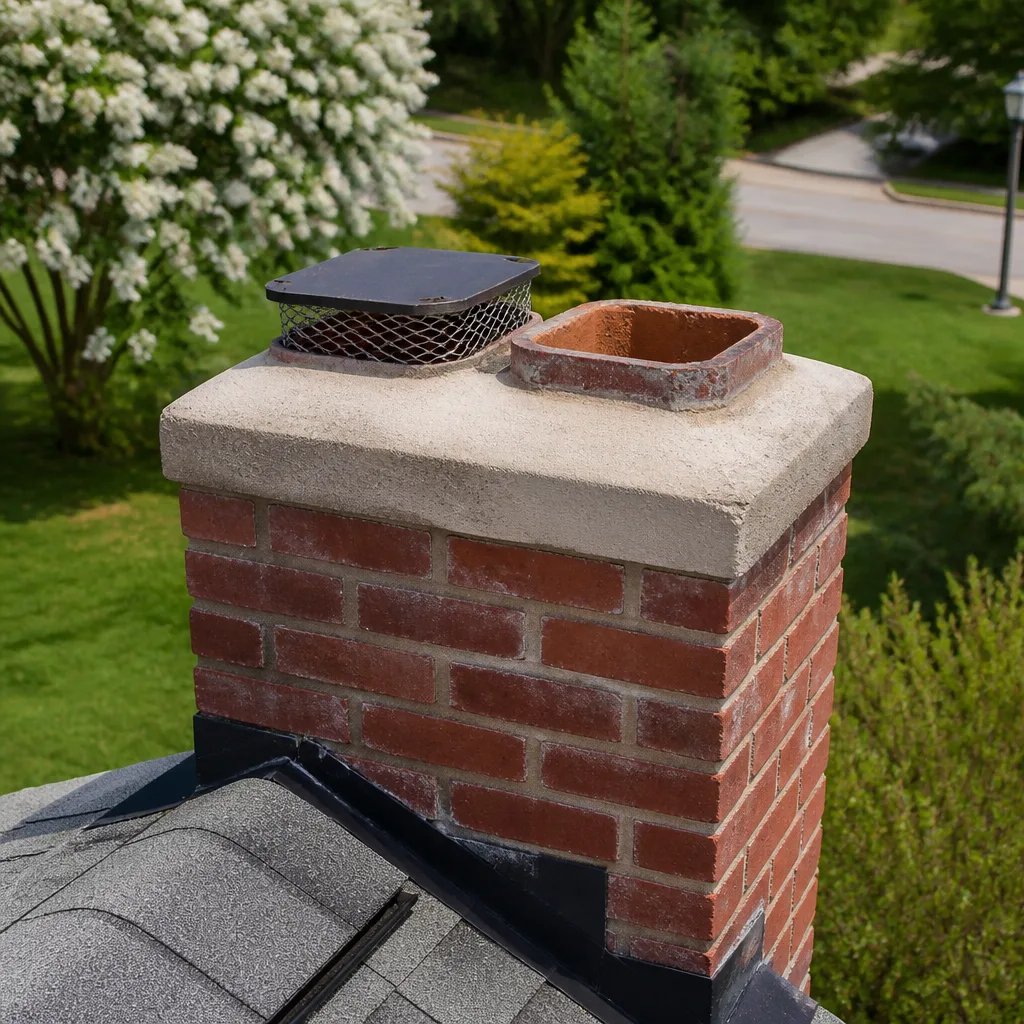 Sweep & inspection
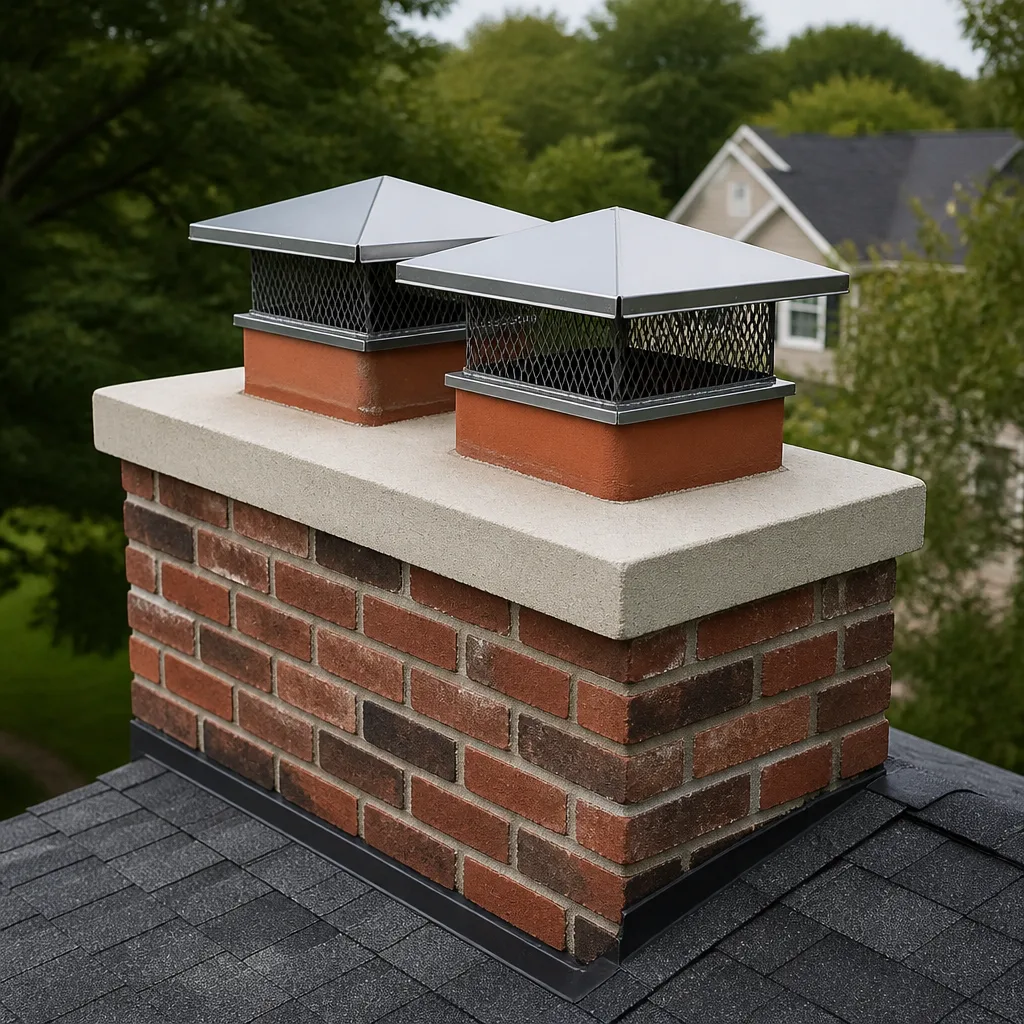 Caps & crowns
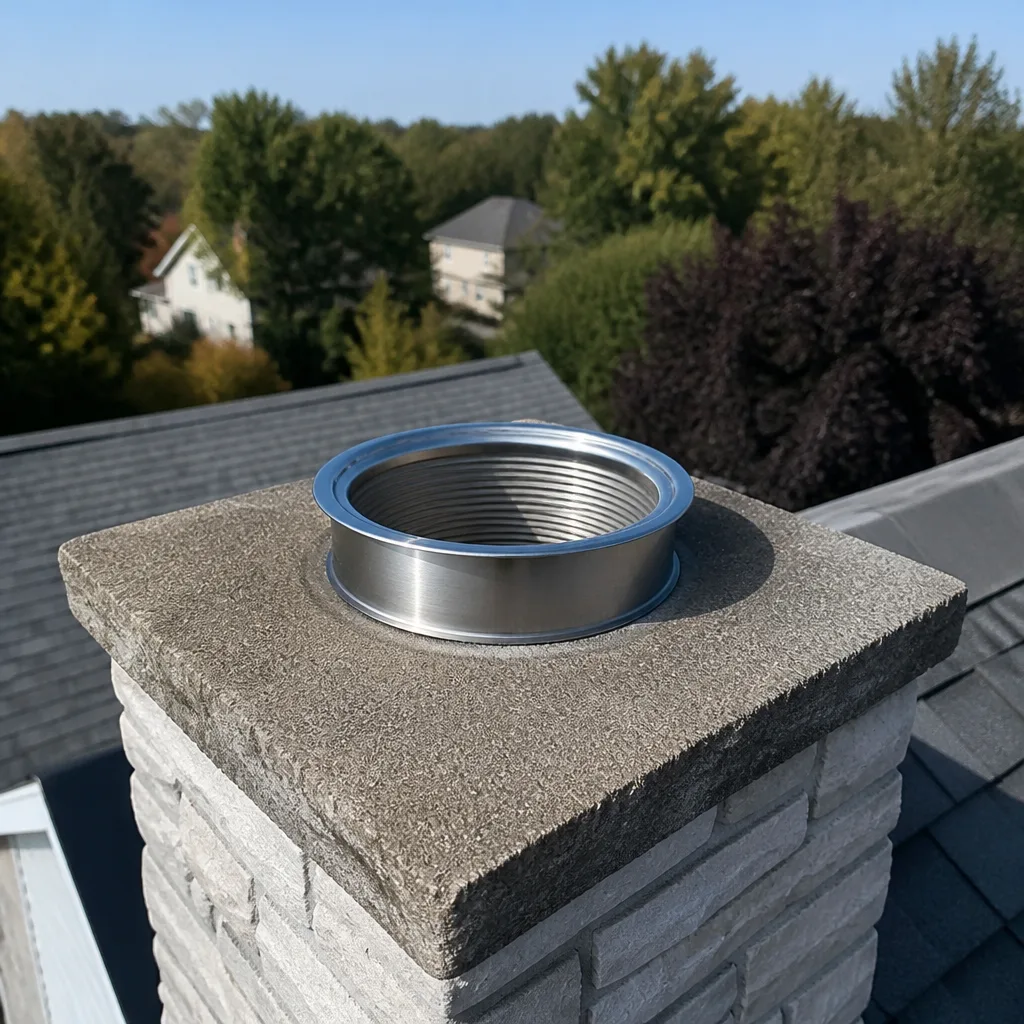 Flue relining
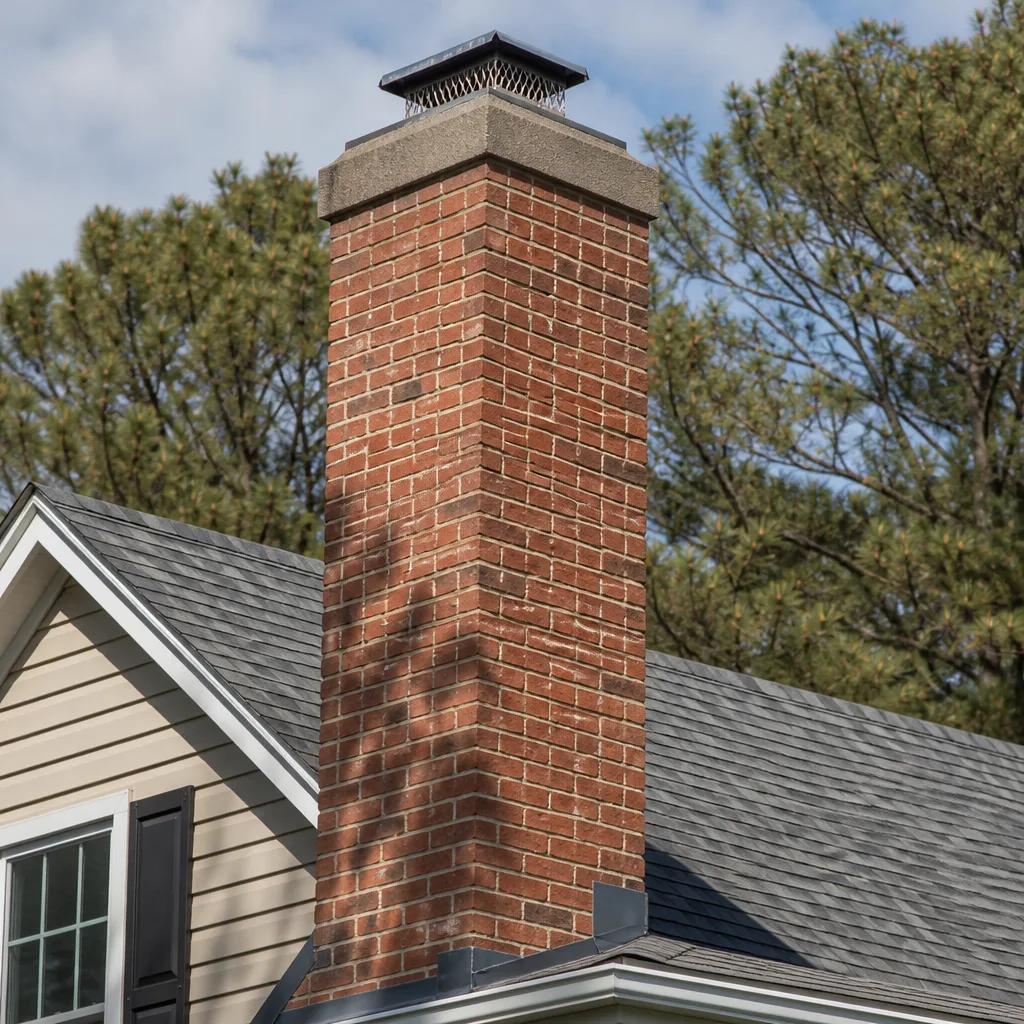 Masonry repair
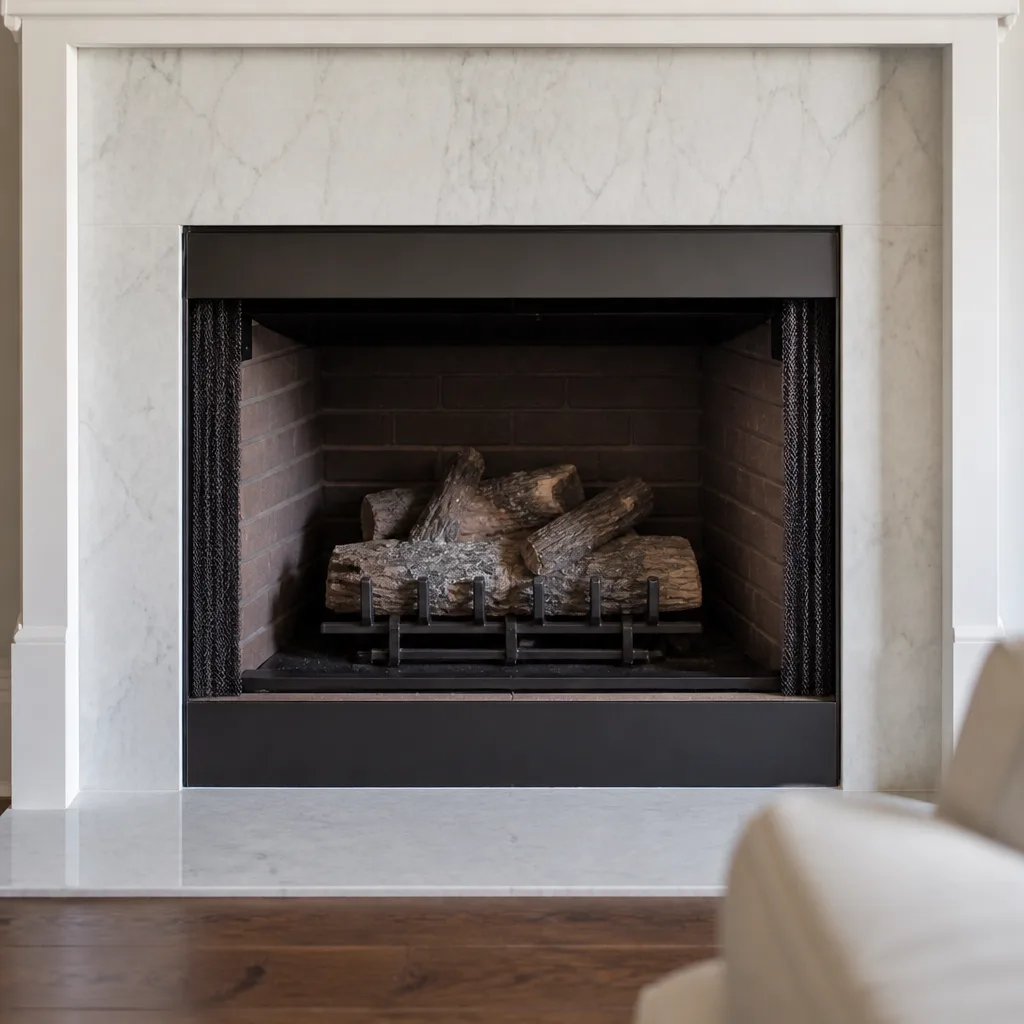 Gas fireplace service
Level 1 sweep and inspection to the NFPA 211 annual standard - flue, crown, cap, and flashing checked and photographed
Chimney sweep logs do not sweep chimneys. They loosen some creosote - which then falls where a brush and vacuum still have to collect it.
Chimney Sweep Maintenance Checklist for Lake Forest Homeowners
Most chimney checklists read like they were written for a house in Vermont. They tell you to sweep every fall, check for freeze-thaw damage, and make sure snow isn’t piling up on your cap. That advice is nearly useless for a home in Lake Forest, where the real threat isn’t winter moisture but a specific October-through-December fire season and the Santa Ana winds that rearrange your chimney components between one evening and the next morning. The most skipped item on local checklists, inspecting the chimney cap after a wind event, is also the one that leads to the most expensive repairs we see in Orange County homes. This guide gives you a task-by-task checklist organized around Lake Forest’s actual conditions: fire season timing, Santa Ana wind patterns, and how local homes actually use their fireplaces.
Quick Answer
A Lake Forest homeowner’s chimney maintenance checklist should center on three windows: a full sweep and inspection before fire season starts in October, a visual cap and crown check after every significant Santa Ana wind event, and a mid-season assessment of how the firebox and damper are performing under regular use. The dryer vent belongs on the same annual checklist, not a separate chore list. Most of what’s below can be done without tools in under ten minutes, but anything involving flue inspection or liner condition needs a professional with camera equipment.
Styles & brands we work with
- Sweep & inspection
- Caps & crowns
- Flue relining
- Masonry repair
- Gas fireplace service
Table of Contents
- Why Lake Forest Fire Season Changes Your Checklist Timing
- The Santa Ana Wind Checklist: Cap, Crown, and Debris
- What to Look for Inside the Firebox Without Any Tools
- The Annual Chimney Sweep: What a Lake Forest Home Actually Needs
- Contractor-Grade Components and How to Note Their Condition
- Dryer Vent Maintenance: The Forgotten Annual Item
- Mid-Season Checks for Homes That Burn Frequently
- Year-Round Observations That Prevent Costly Repairs
Why Lake Forest Fire Season Changes Your Checklist Timing
Most chimney advice says to sweep in fall and call it done. That’s directionally correct for Lake Forest but misses what actually matters here. The high-risk window for chimney fires in Orange County runs from October through December, when Santa Ana winds combine with dry vegetation and low humidity to create fire conditions that don’t exist in most of the country. Your chimney doesn’t care what month it is. It cares about creosote accumulation, airflow, and whether anything has shifted since the last time you used it.
That means the right time to complete your annual chimney sweep in Lake Forest is September or early October, before you light the first fire of the season. Waiting until November means you’re burning during peak fire conditions with a system you haven’t verified this year. Here’s the pre-fire-season checklist, in order:
- Schedule the professional sweep. This is the one item you can’t do yourself. A sweep removes creosote and checks the flue with a camera, which is the only way to see what’s happening inside the liner.
- Clear the area around the firebox. Move furniture, rugs, and anything combustible at least three feet from the hearth opening before the first use. This is a fire-code standard, not a comfort preference.
- Check the damper. Open and close it fully. It should move freely and seat completely. A damper that sticks or doesn’t close all the way means heat loss all winter and a possible repair item.
- Inspect the visible firebox surfaces. Look for cracked firebrick, deteriorated mortar joints, or rust on metal components. Note anything unusual so you can point it out to the technician.
- Verify the cap is in place. Walk outside and look up. The cap should sit squarely on the flue tile or chase top, not tilted or hanging.
- Test the carbon monoxide detector. This belongs on the chimney checklist because a blocked or damaged flue is a carbon monoxide source, and the detector is your last line of defense.
The goal of this pre-season pass is to catch problems before the first fire, not after. A September issue is an inconvenience. A November issue during a Santa Ana event is potentially something much worse. Lake Forest homes built in the 1970s through 1990s, which make up a large portion of the city’s housing stock, often have original clay tile liners and masonry that deserve closer attention than newer construction.
The Santa Ana Wind Checklist: Cap, Crown, and Debris
Santa Ana winds routinely gust 40 to 60 miles per hour through Lake Forest neighborhoods, and the old-growth oak and eucalyptus trees that define much of the city’s landscaping shed debris constantly during these events. Your chimney cap is the first thing that gets hit. A displaced cap isn’t just cosmetic. It exposes the flue to rain, lets birds and rodents in, and can pull away enough to damage the crown underneath. We’ve seen caps that shifted an inch during a single wind event and were never noticed until water staining showed up on the ceiling below.
After any significant Santa Ana wind event, or once a month during wind season, walk through this five-point checklist:
- Look at the cap from the street or yard. It should sit straight and centered on the flue. If it’s tilted, you can see a gap, or it’s clearly no longer attached, that’s a call for repair, not a ladder project.
- Check for debris on the cap or spark arrestor screen. Leaves, twigs, and small branches can lodge in the mesh and restrict draft even when the cap stays put.
- Inspect the crown from a safe vantage point. The crown is the concrete or mortar slab that caps the masonry. Wind doesn’t crack crowns directly, but the vibration and debris impact can accelerate existing deterioration. Hairline cracks grow wider under wind stress.
- Look inside the firebox for anything that fell in. If the cap shifted or the damper was left open, debris often drops into the firebox. Remove it before lighting anything.
- Listen for unusual draft behavior. On a windy day, a properly capped and lined chimney should draft normally when you light a piece of paper and hold it near the damper opening. If smoke pushes back into the room, air is being forced down the flue, which can mean a cap problem or a pressure issue in the house.
Lake Forest’s location against the Saddleback Valley foothills means wind patterns vary significantly by neighborhood. Homes in the northern section near Portola Hills and Foothill Ranch often get stronger, more sustained gusts than those further south near El Toro Road. If you’re in a wind-exposed area, checking the cap after every major event isn’t overkill. It’s cheap insurance against a repair that often runs into the hundreds once water gets involved.
What to Look for Inside the Firebox Without Any Tools
You don’t need specialized equipment to spot early warning signs inside your firebox. You need a flashlight, a few minutes, and an understanding of what normal looks like. The firebox is the box where the fire actually burns, and it’s the one part of the system you can fully see without a ladder or a camera.
Start by removing the grate and any accumulated ash from your last use. A thin layer of ash is fine and actually helps insulate hot coals, but a deep bed restricts airflow and holds moisture against the firebrick. Once the surface is clear, work through this list:
- Firebrick cracks. Small hairline cracks are common and usually not urgent. Cracks wider than about an eighth of an inch, or bricks that have shifted out of alignment, indicate heat damage or structural movement behind the brick.
- Deteriorated mortar joints. Run a finger along a few joints, if the mortar crumbles or comes away as sand, the firebox needs repointing. This is slow deterioration, not an emergency, but it should be noted for the next professional visit.
- Rust on metal components. Some fireboxes have steel lintels, dampers, or heat-circulating grates. Light surface rust is normal in Orange County’s occasionally humid conditions. Deep flaking rust on a damper or lintel suggests a long-term moisture source, often a cap or crown issue.
- White staining or efflorescence. A white powdery deposit on firebrick means water is moving through the masonry. In Lake Forest homes this typically traces back to a failed cap, cracked crown, or damaged flashing, not rain entering directly through the flue.
- Debris that shouldn’t be there. Twigs, leaves, acorns, or nesting material mean the cap or spark arrestor has an opening. Birds and rodents love chimneys, and blocking a nest later is much harder than preventing one now.
None of these observations require a professional to interpret. You’re not making repair decisions from the living room floor. You’re building a list of conditions to mention when you schedule a Chimney Sweep Lake Forest visit, and that’s exactly the kind of detail that helps us diagnose faster and more accurately.
The Annual Chimney Sweep: What a Lake Forest Home Actually Needs
The old rule of thumb says to sweep a wood-burning chimney after every cord of wood, or at least once a year. For Lake Forest homes, the math is simpler. Most local fireplaces are used seasonally, from roughly November through February, and the creosote buildup from that usage pattern justifies a professional cleaning on an annual schedule. Even if you only burn on holidays, the recommendation stands, because what the sweep actually does is two jobs: cleaning and inspection. The inspection catches things you can’t see from inside or outside the house.
A proper professional sweep in Lake Forest should include the following:
- Creosote removal from the flue liner. This is the core task. Creosote is the flammable residue that condenses from wood smoke, and it’s the direct cause of most chimney fires. The sweep removes it with brushes sized to your specific flue dimensions.
- Camera inspection of the flue. Whether your liner is original clay tile or a stainless reline, the only way to verify its condition is with a video camera. Hairline cracks, separated tile joints, and early-stage spalling are invisible from the firebox.
- Damper function check. The damper gets exercised, lubricated if needed, and inspected for warping or rust that could prevent a full seal.
- Cap and spark arrestor inspection. The technician confirms the cap is secured, the mesh is intact, and the whole assembly is doing its job against embers and debris.
- Creosote level documentation. A responsible sweep will tell you the actual stage of creosote buildup, not just sweep it and leave. Stage 1 is light soot. Stage 3 is glazed, tar-like creosote that requires more aggressive removal.
For gas fireplaces, the cadence can stretch longer, but the inspection piece remains. We recommend a professional look at any gas fireplace or log set at least every two years, with a focus on burner condition, venting integrity, and log placement. Gas systems don’t produce creosote, but they do produce carbon monoxide, and the vent system’s job is to carry it away. A cracked heat exchanger or blocked termination cap is a safety issue, not a cosmetic one.
Since 2015, our team has served homeowners across Lake Forest with the same fundamental philosophy: sweep thoroughly, inspect carefully, and tell you the truth about what you need now versus what can wait. That last part matters. No one wants to be sold a repair they don’t need, and no reputable chimney specialist should be selling one without camera evidence.
Contractor-Grade Components and How to Note Their Condition
Most Lake Forest homeowners never think about the individual components that make up their chimney system until one of them fails. But if you know what to look for, you can spot declining parts early and get them addressed before they take adjacent components down with them.
Three components deserve your attention, and they’re all visible enough to assess without tools:
Chimney Cap
The cap does three jobs: it keeps water out of the flue, it prevents embers from escaping onto your roof during a chimney fire, and it keeps birds, rodents, and debris out. We use Gelco caps and covers on our repair work because they’re purpose-built for chimney applications, not improvised from hardware store flashing. When you look at your cap, check for rust-through on the mesh, bent or missing screen sections, and secure attachment. A cap that’s missing entirely is one of the most common findings on Lake Forest homes built before current fire codes required them.
Damper Assembly
The damper is the metal plate that seals the firebox from the flue when the fireplace isn’t in use. A failing damper lets conditioned air escape up the chimney all year, which in a Lake Forest summer means your air conditioning works harder for no reason. Note whether the handle moves smoothly, whether the plate seats completely when closed, and whether you feel any draft in the firebox on a windy day with the damper shut.
Flashing and Counter-Flashing
Flashing is the metal that seals the joint where the chimney penetrates the roof. It’s not the kind of thing you’ll assess from the ground, but if you notice water stains on the ceiling near the chimney chase, or efflorescence on the exposed masonry, flashing is a prime suspect. Chimney flashing is replaced by professionals, not patched, and the right materials matter.
When our technicians install or repair these components, we work with professional-grade materials like DuraFlex liner systems and HeatShield resurfacing products. Those aren’t brand names homeowners need to memorize. They matter because they’re the same products certified chimney contractors use, not consumer substitutes that may not hold up to the heat cycling and wind exposure a Lake Forest chimney actually experiences.
Dryer Vent Maintenance: The Forgotten Annual Item
Your dryer vent belongs on the same annual checklist as your chimney, and it’s the one item almost every homeowner skips. The rationale is the same: a restricted vent traps lint, lint is fuel, and the combination of heat and airflow restriction inside a dryer is a documented fire hazard. The U.S. Fire Administration has flagged dryer fires as a leading cause of residential fire loss, and the overwhelming majority trace back to one cause: lint accumulation that never got removed.
Here’s the annual dryer vent cleaning checklist, which fits naturally into your pre-fire-season routine:
- Confirm the vent terminates outside. Some older Lake Forest homes vent into the attic or crawlspace, which pumps moist air into the structure every time you dry a load. That’s a mold and structural issue on top of a fire hazard.
- Check the exterior termination flap. The flap should open freely when the dryer runs and close when it’s off. A stuck-open flap invites birds and rodents, a stuck-closed flap traps heat and moisture inside the duct.
- Note how long a load takes to dry. If your dryer has started taking two cycles to finish a load that used to take one, that’s not the dryer aging. That’s restricted airflow.
- Long-term lint awareness. The lint screen in your dryer catches a portion of what passes through. What it misses travels into the vent, where it accumulates along the duct walls and in low spots. The only fix is mechanical removal, not a quick vacuum from the outside.
Our dryer vent service uses Famco ventilation products because they’re designed for exactly this application. The venting runs in Lake Forest homes are often longer than code minimums due to laundry rooms placed in interior spaces, and every extra foot of duct is another foot where lint can accumulate. An annual vent cleaning is one of the lowest-cost, highest-return maintenance items on your whole property, and it belongs on the same reminder as your chimney sweep.
Mid-Season Checks for Homes That Burn Frequently
If you burn wood more than a couple times a week during the winter months, your chimney isn’t a set-it-and-forget-it system. It’s a working appliance, and working appliances need periodic observation. The mid-season check takes ten minutes and doesn’t require tools or a professional visit. It’s about confirming the system still behaves the way it did at the start of the season.
Here’s what to check each month during heavy burn periods:
- Draft quality. When you light a fire, does the smoke move up the chimney immediately, or does it linger in the firebox and spill into the room? Reduced draft means creosote buildup or a partial obstruction is already developing.
- Burn characteristics. A fire that suddenly burns differently from before, hotter with more popping, or cooler with more smoldering, can indicate a changing air supply, a damper issue, or a change in the wood you’re burning.
- Glass door condition. If you have glass fireplace doors, are they getting darker with each fire? Rapid creosote deposition on glass means the same deposition is happening on the flue walls.
- Smoke detector and CO alarm function. Test both monthly during burn season. The CO detector is the only real-time warning you have if a flue blockage develops.
- Unusual odors between fires. A properly functioning chimney doesn’t smell. If you notice a smoky, musty, or creosote odor coming from the firebox when the fire is out, that’s a sign of a draft reversal or moisture in the flue, both of which warrant a professional look.
- Roof-level water staining near the chimney. If you’re up on the roof for gutter cleaning or solar panel work, look at the area around the chimney base. Dark staining, soft decking, or lifted shingles near the flashing mean water is getting in.
- Exterior masonry condition. From the ground, look for cracked bricks, spalling faces (where brick surfaces flake away), or mortar joints that look like they’re receding. Masonry deterioration is slow but inexorable in Southern California’s dry-season heat followed by winter rains.
- Cap and screen condition from a different angle. Walk around the property and look at the chimney from both sides. Some cap issues are only visible from one direction, especially if the cap has shifted laterally.
- Vegetation growth near the chimney. Eucalyptus and oak branches that touch the chimney or overhang the cap drop leaves and debris throughout the year, not just during Santa Ana winds. Keep branches trimmed back at least a few feet.
- Inside the attic, if accessible. If your attic is accessible and you’re up there for any reason, look at the area where the chimney passes through. Rust on metal components, water stains on framing, or daylight visible around the penetration are all red flags.
These observations aren’t meant to replace the annual sweep. They’re meant to catch mid-season changes that a once-a-year visit could miss. If anything on this list is off, call us. A quick diagnosis is always cheaper than waiting for the symptom to get worse.
Year-Round Observations That Prevent Costly Repairs
Chimney maintenance isn’t just a fall activity in Lake Forest. The system sits exposed to sun, wind, and the occasional heavy rain all year, and the off-season is when small problems become big ones because nobody’s looking. Make these observations part of your routine whenever you’re in the yard or on the roof for other reasons:
The common thread through all of this is simple: observation without action is worthless. Write down what you find, take a picture with your phone, and mention it at your next scheduled service. Even if it turns out to be nothing, the note creates a baseline so future changes are easier to spot.
Common Mistakes to Avoid
- Skipping the post-wind cap check. The leading cause of water-damaged chimneys in Lake Forest is a displaced cap that went unnoticed for months. Ten minutes after each Santa Ana event could prevent a repair that costs ten times the time invested.
- Cleaning the firebox and calling it a sweep. Removing ash from the firebox doesn’t touch the flue, and the flue is where the creosote lives. A spotless firebox with a dirty flue is a false security.
- Ignoring the dryer vent on an annual schedule. Dryer vents in Lake Forest homes are often long, multi-turn runs that accumulate lint faster than homeowners expect. Skipping it for three years is enough to create a restriction that dramatically increases operating temperature.
- Waiting until November to schedule the sweep. The pre-season window is real, and local chimney companies book heavily in October. Scheduling in September gives you flexibility and gets the system verified before peak fire conditions arrive.
- Assuming a gas fireplace needs no maintenance. Gas systems don’t create creosote, but they create carbon monoxide, and they rely on a venting system that can deteriorate like any other chimney component. “It’s gas” isn’t a reason to skip inspection.
- Trying to fix roof-level chimney issues from a ladder. Chimney work at height involves a specific set of risks, and the components are heavier and more awkward than they look. Hire a professional for anything above the fireplace.
- Burning unseasoned wood. Green or wet wood produces more creosote per fire than seasoned hardwoods. In Lake Forest’s relatively short burn season, the difference between well-seasoned oak and a moisture-laden bundle from the gas station is measurable in flue buildup within a single season.
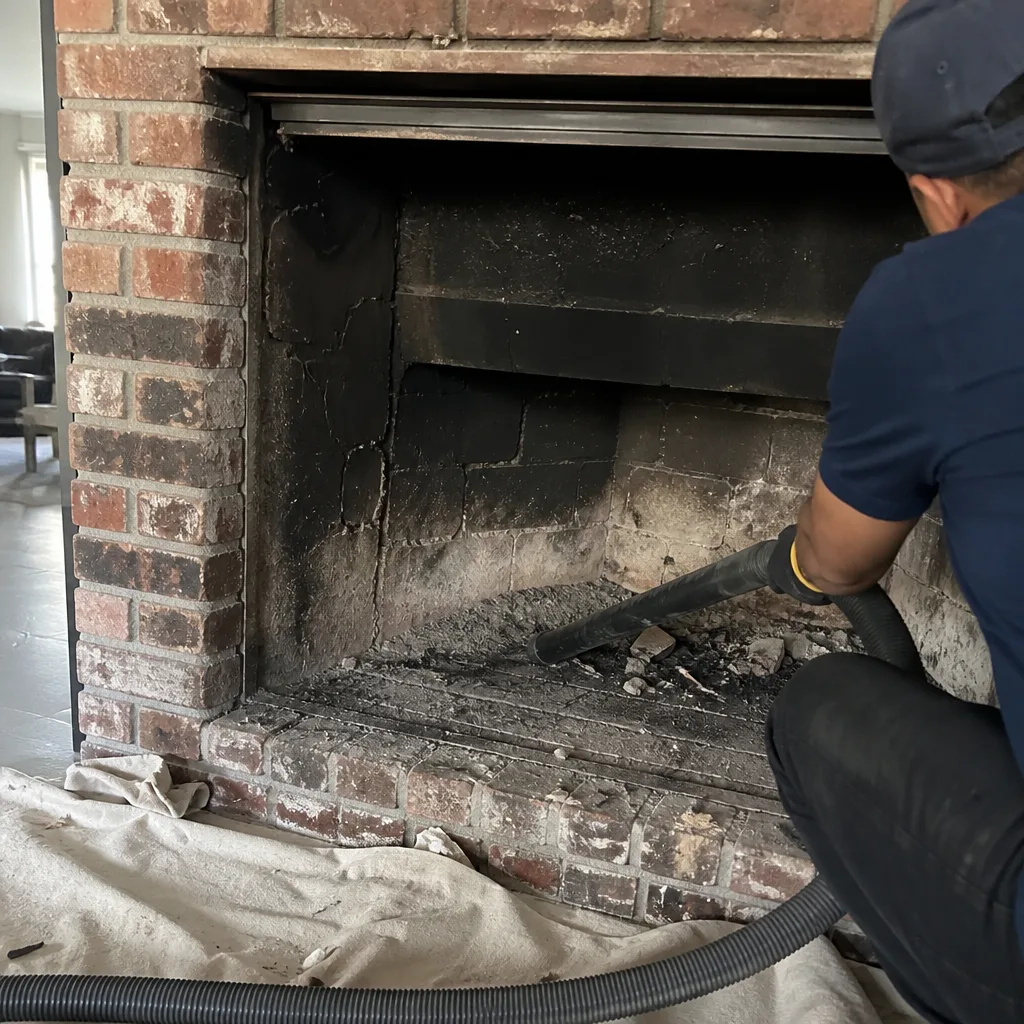
See the difference
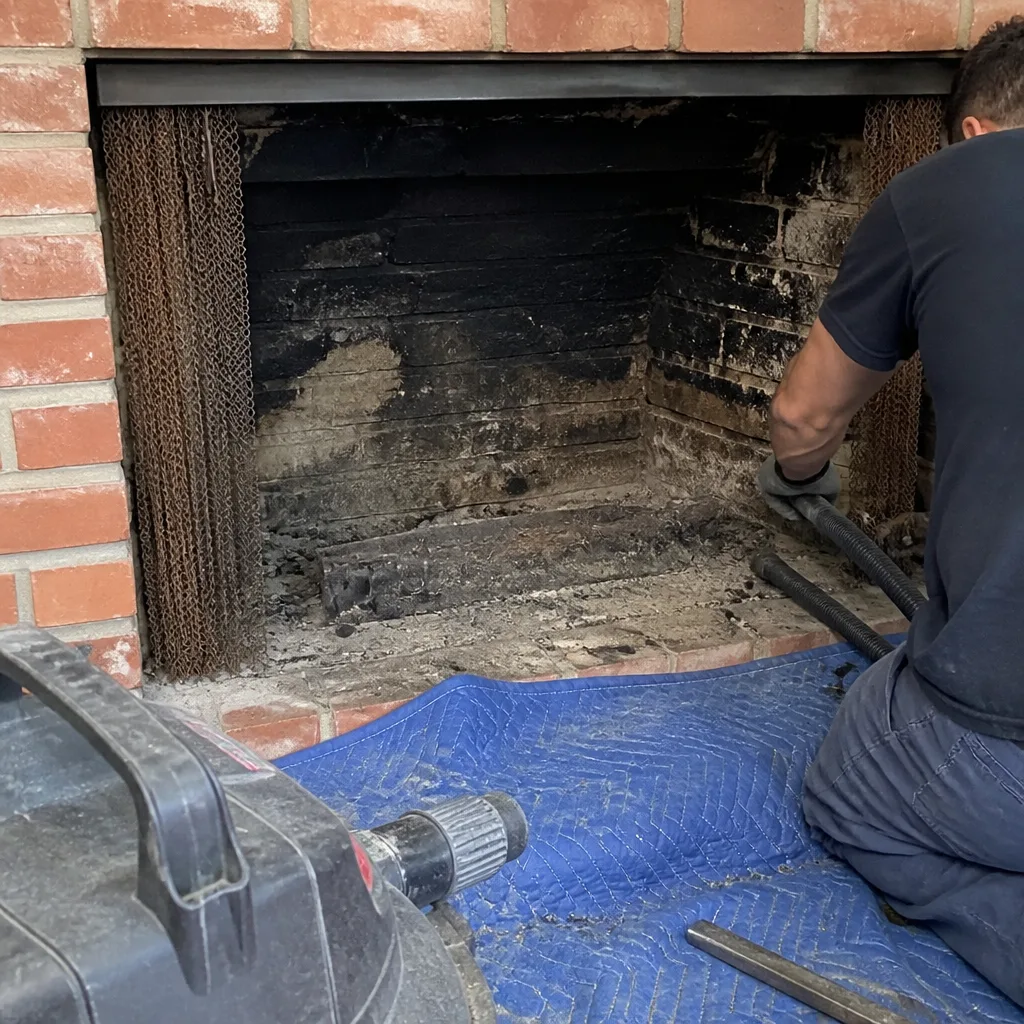 Before
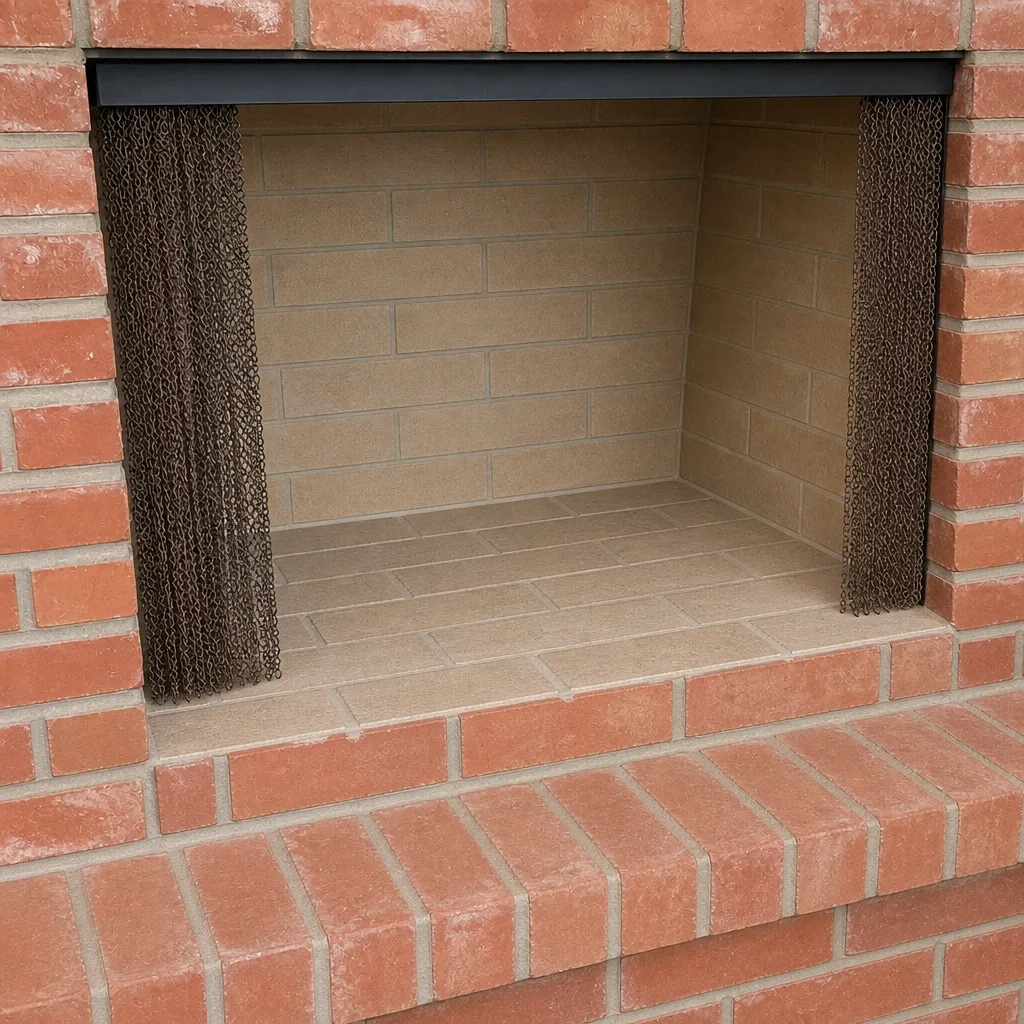 After
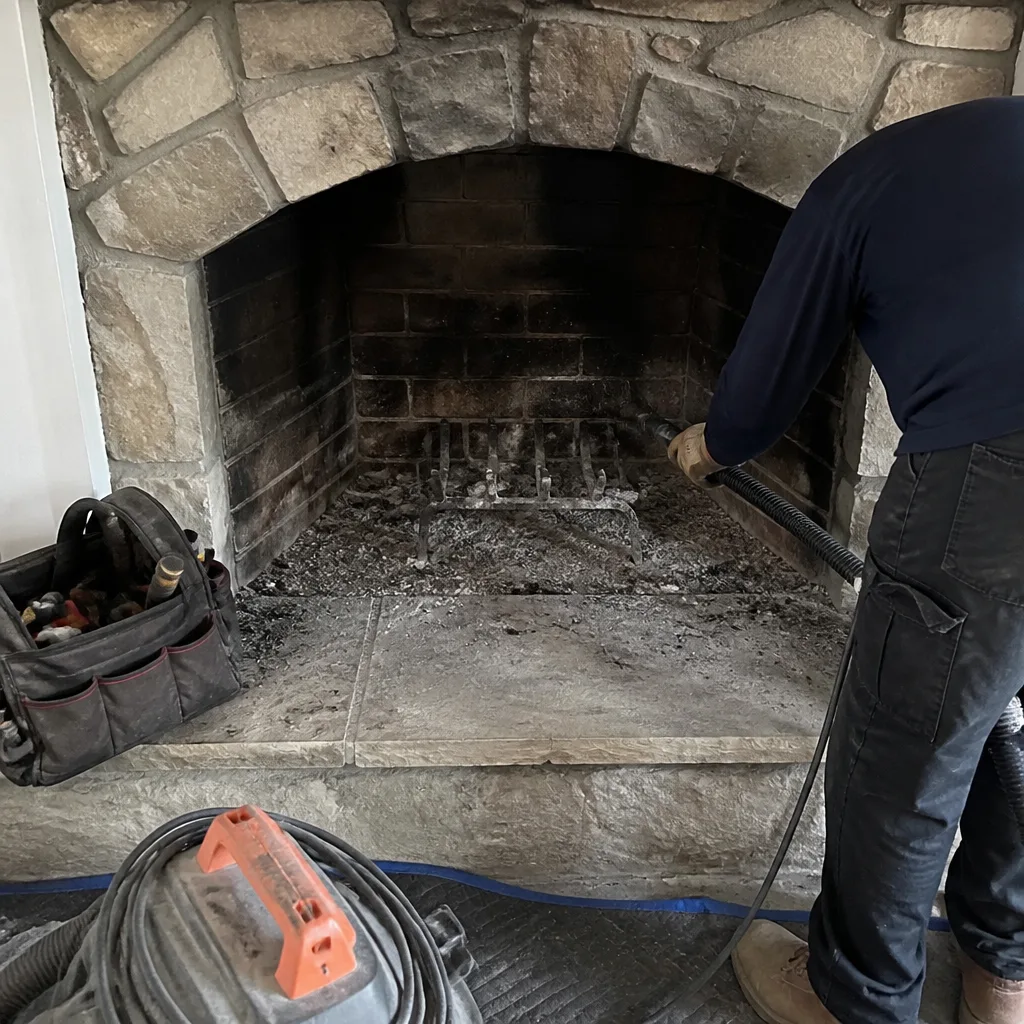 Before
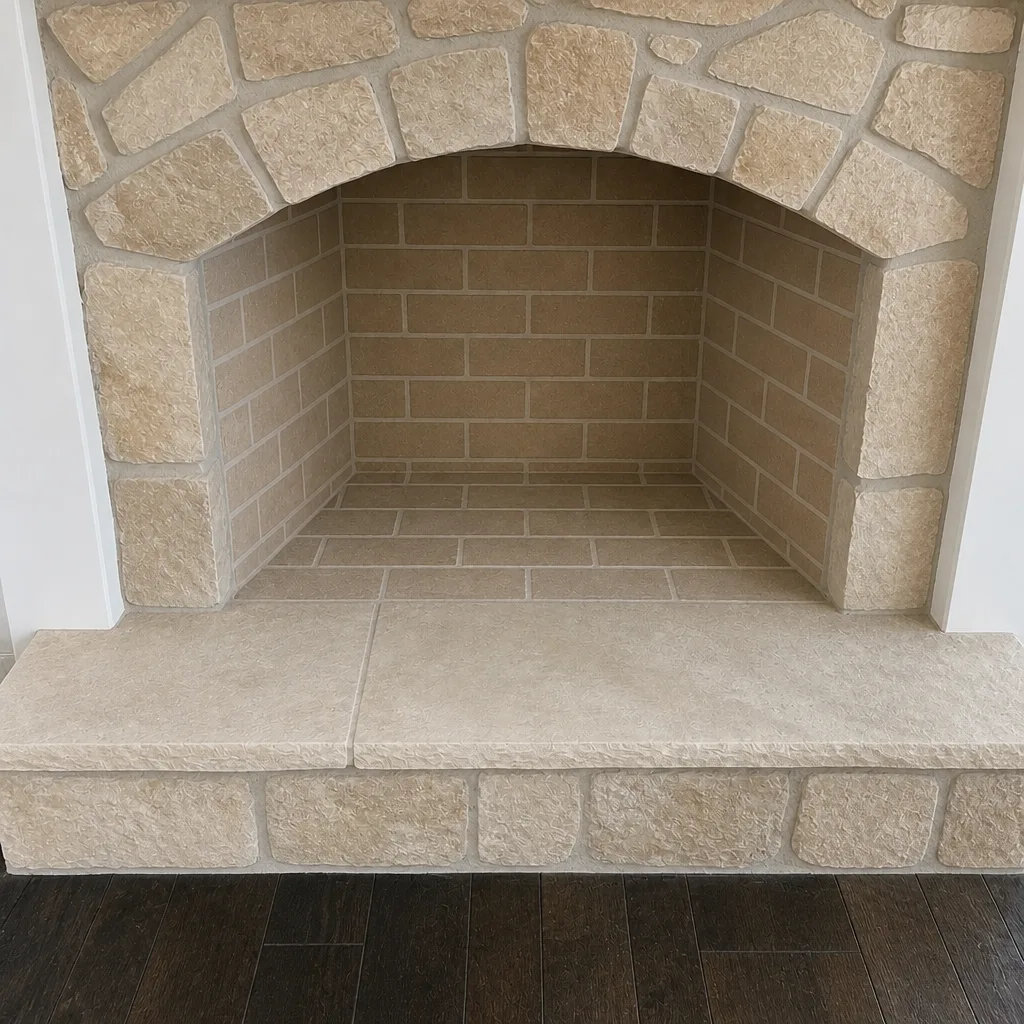 After
 Before
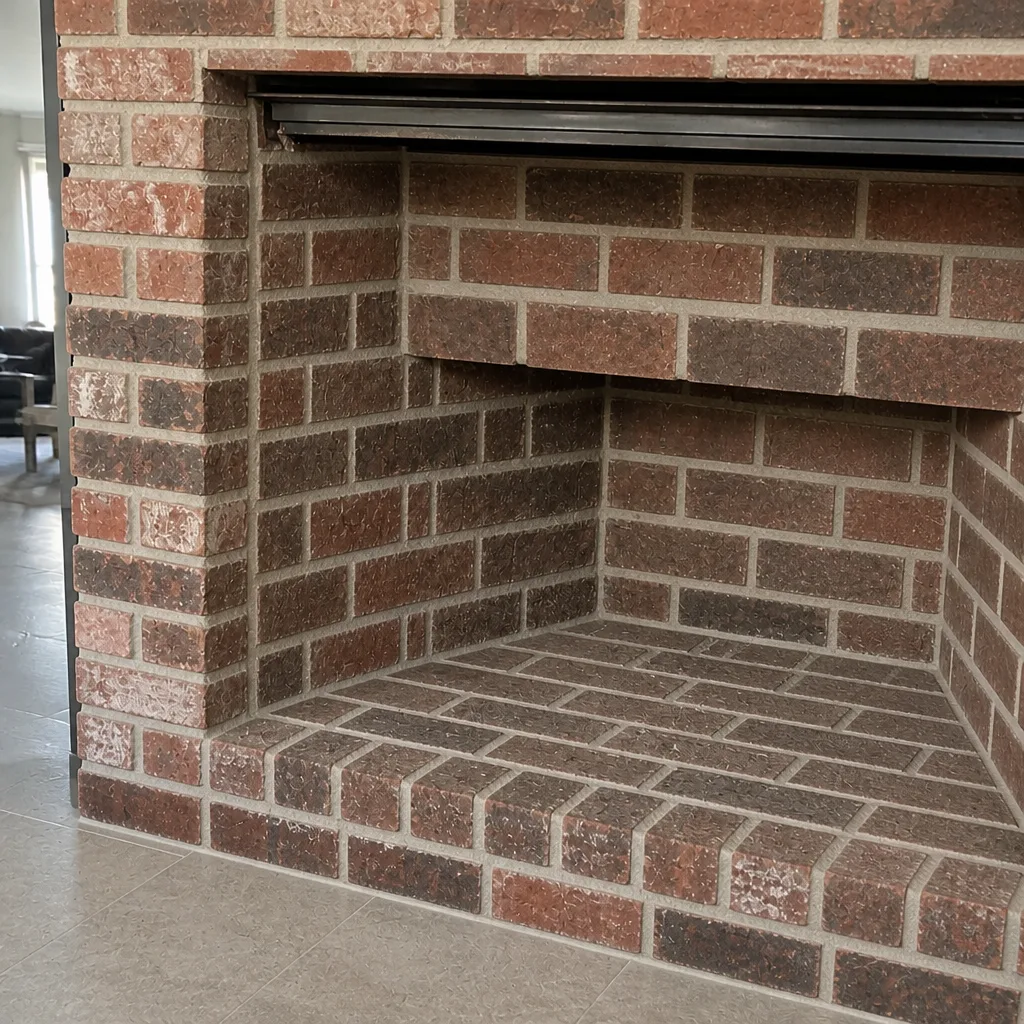 After
When to Call a Professional
Call a professional when you see a displaced cap, when you notice water staining near the chimney or on the ceiling below it, when the damper won’t operate smoothly, when draft behavior changes suddenly, or when you haven’t had a camera inspection in more than a year and you’re burning wood regularly. The dividing line is simple: if the problem is on the roof, inside the flue, or involves gas, it’s a professional job. Chimney Sweep Lake Forest offers free estimates in Lake Forest, call (833) 589-9146. We answer 24/7. Fast dispatch from 7am to 7pm, Sunday through Friday.
Frequently Asked Questions
Once a year, scheduled in September or early October before the fire season starts, is the right cadence for most Lake Forest homes that burn wood seasonally. The annual visit should include both cleaning and a camera inspection of the flue, and the timing matters because October through December is the highest-risk window for chimney fires in our area.
Yes, especially if you live in the northern parts of Lake Forest like Portola Hills or Foothill Ranch where wind gusts tend to be stronger. The check takes about five minutes from the ground and it catches the most common wind-related failure: a shifted or detached cap that lets water and debris into the flue.
Chimney sweep pricing in Lake Forest typically falls between $150 and $350 depending on the flue type, access, and condition of the system. The exact price is set by a written estimate before work begins, and a thorough sweep includes the camera inspection, not just brush work. Call (833) 589-9146 for an exact quote, estimates are free.
Creosote accumulates on the flue walls every time you burn wood, and creosote is the fuel that drives chimney fires. Skip a year and you’ll likely have light-to-moderate buildup. Skip several years with regular burning and the creosote can glaze into a hard, tar-like layer that requires more aggressive removal and elevated fire risk in the meantime.
Yes. Gas fireplaces and log sets don’t produce creosote, but they do produce carbon monoxide, and their venting systems deteriorate like any other chimney component. A professional inspection every two years, focused on the burner, vent integrity, and log placement, is the correct interval for most Lake Forest homes with gas systems.
The only reliable way to know is a camera inspection. Cracked clay tile liners, separated joints, and early spalling are invisible from the firebox and often invisible from the roof. When liner replacement is needed, products like HeatShield resurfacing or a DuraFlex stainless reline are the approaches we use, and the decision is always based on what the camera actually shows.
The Bottom Line
A Lake Forest chimney maintenance checklist works when it matches the local reality: wind-driven cap displacement, an October-through-December high-risk fire window, and a burn season that starts when the first cool nights arrive. Schedule your annual sweep and camera inspection in September. Check the cap and crown after every significant Santa Ana event. Note what you see inside the firebox without tools. Put the dryer vent on the same annual reminder as the chimney. And when something looks wrong, don’t wait until the next scheduled visit to find out. Call (833) 589-9146. We answer 24/7. Fast dispatch from 7am to 7pm, Sunday through Friday.
Written by the team at Chimney Sweep Lake Forest, serving Lake Forest since 2015.