
Last updated November 4, 2026
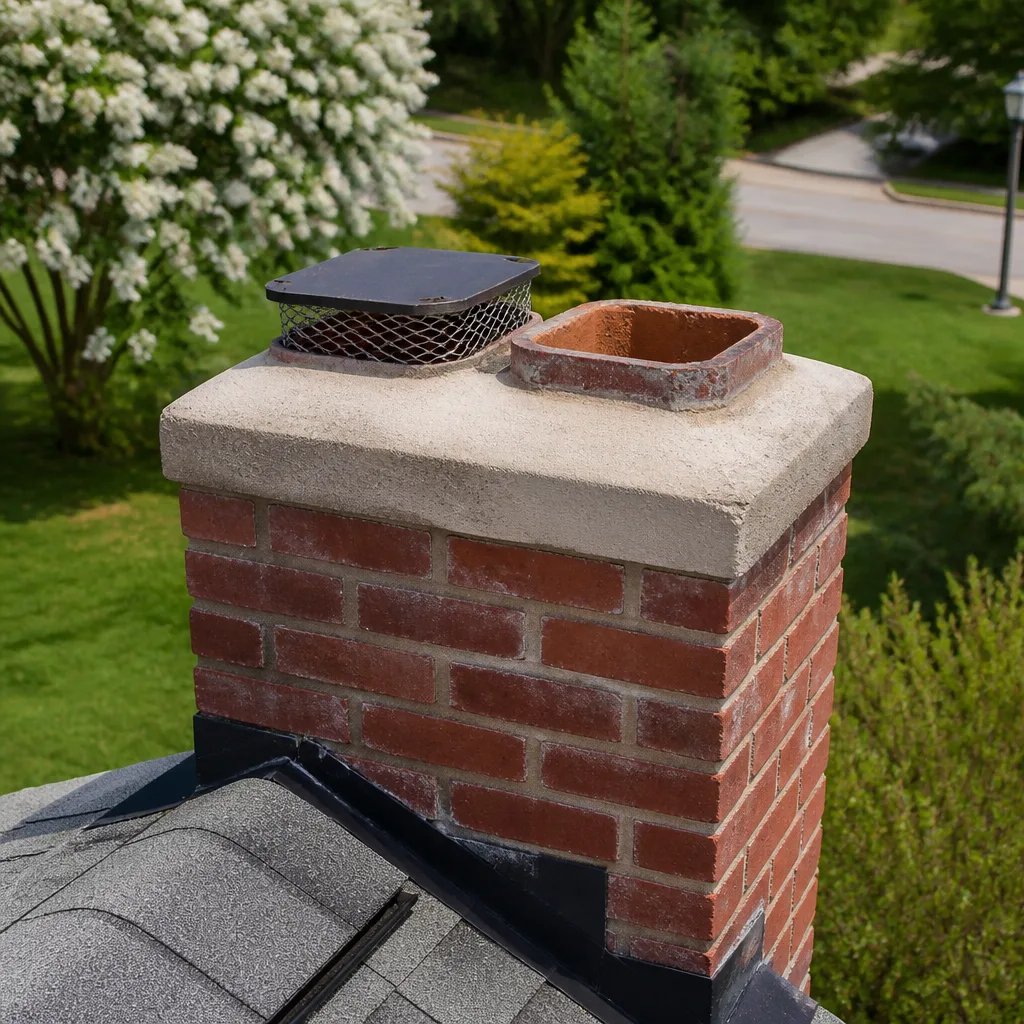 Sweep & inspection
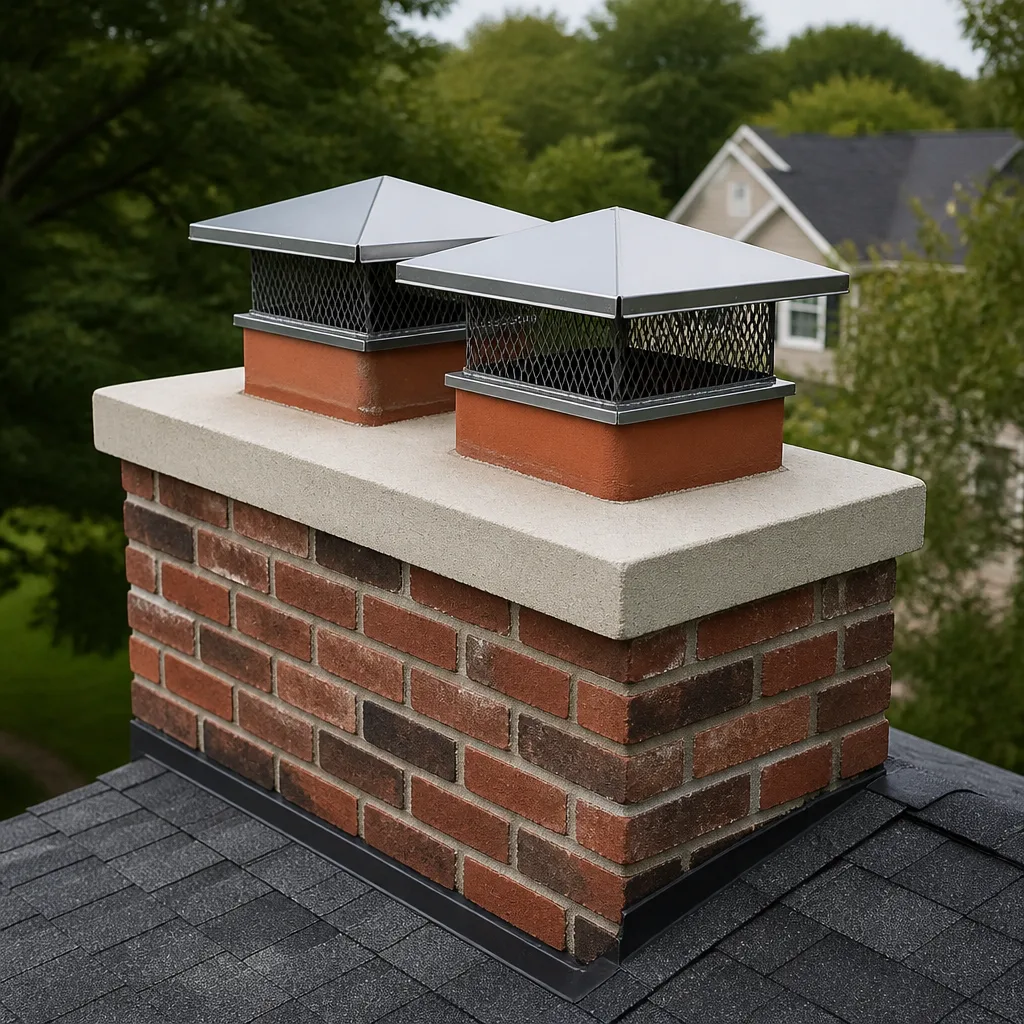 Caps & crowns
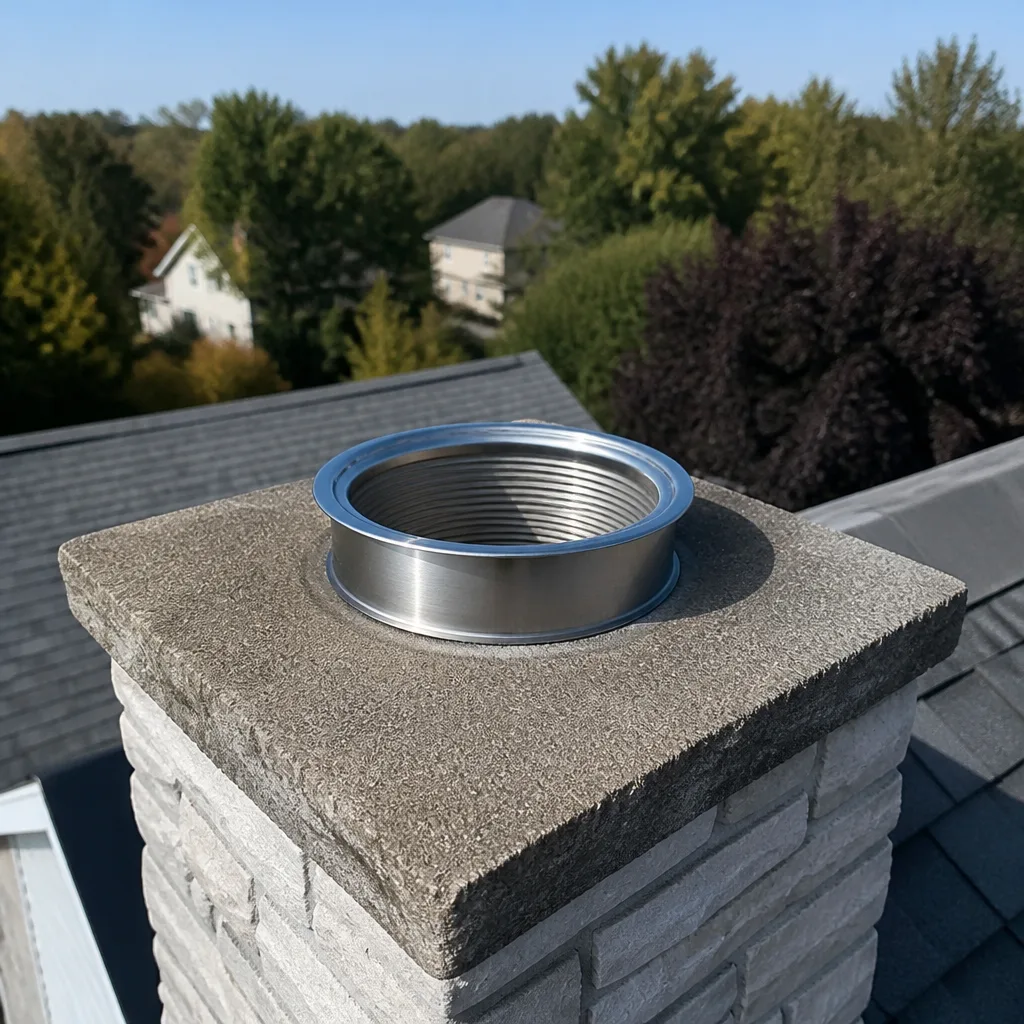 Flue relining
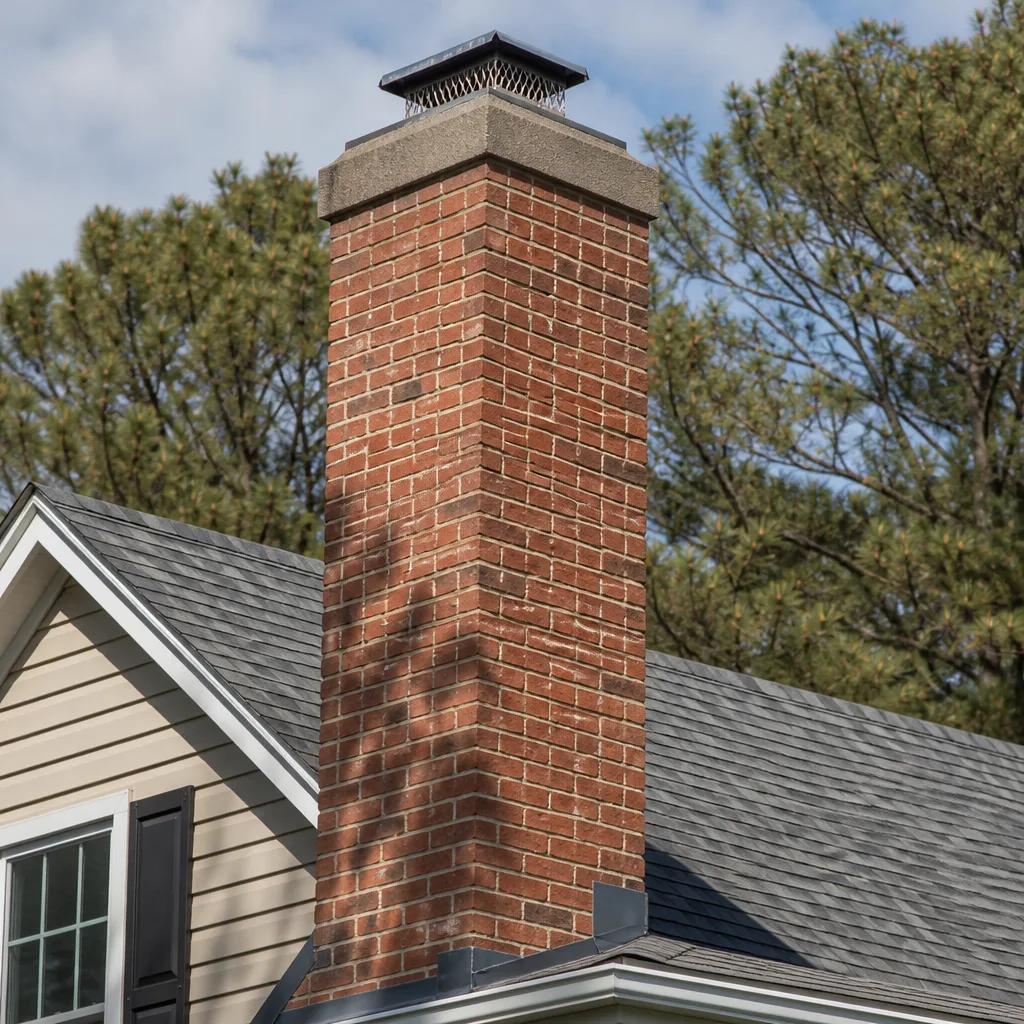 Masonry repair
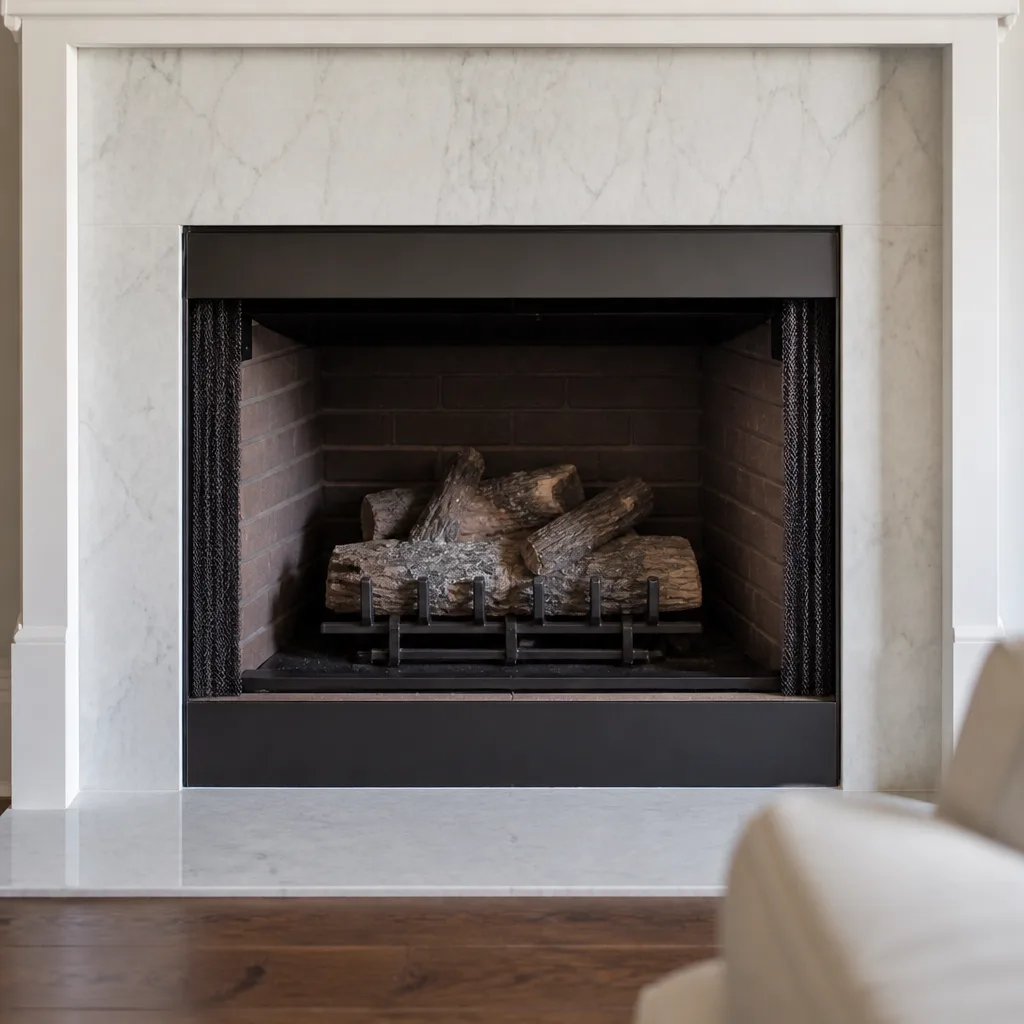 Gas fireplace service
Level 1 sweep and inspection to the NFPA 211 annual standard - flue, crown, cap, and flashing checked and photographed
Chimney sweep logs do not sweep chimneys. They loosen some creosote - which then falls where a brush and vacuum still have to collect it.
DIY vs Professional Chimney Cleaning: The Lake Forest Homeowner’s Decision Guide
Chimney brush kits sit on the shelf at every hardware store in south Orange County, and they look straightforward enough. The part most Lake Forest homeowners underestimate isn’t the brushing itself. It’s the inspection that has to accompany every cleaning, because the real value of a sweep is learning what’s happening inside the flue where you can’t see. This guide maps exactly where the DIY line sits, what it costs in time and risk to cross it, and which tasks genuinely belong in a careful homeowner’s hands.
Quick Answer
DIY chimney cleaning is realistic for light soot removal and a visual check of the firebox and damper, but it cannot replace a professional inspection. The flue interior, the smoke chamber, and the condition of refractory panels on prefabricated fireplaces require training, mirrors, and usually a camera to evaluate properly. In Lake Forest, where many homes were built in the 1970s through 1990s and have original fireplaces now decades old, skipping the inspection step is where DIY becomes a genuine risk.
Styles & brands we work with
- Sweep & inspection
- Caps & crowns
- Flue relining
- Masonry repair
- Gas fireplace service
Table of Contents
- What’s Reasonable for a Homeowner to Do
- What DIY Cleaning Actually Misses
- The Real Equipment Cost of Doing It Yourself
- Prefabricated Fireplaces: Where DIY Goes Wrong
- California Liability and Insurance After a DIY Sweep
- When a Professional Sweep Is the Only Sensible Choice
- What a Professional Chimney Sweep in Lake Forest Actually Includes
- Frequently Asked Questions
What’s Reasonable for a Homeowner to Do
We’re not going to tell you that every chimney task requires a truck, a uniform, and an invoice. That’s not honest. There are three maintenance checks any careful Lake Forest homeowner can do between professional visits, and doing them regularly makes the whole system safer.
The first is a firebox visual inspection. Open the glass doors or screen and look at the refractory panels or firebrick. You’re checking for cracks wider than a hairline, gaps between panels, spalling brick faces, or white staining that suggests water has gotten in. Thick, flaky creosote buildup you can scrape with a fingernail is a sign the system needs a sweep sooner rather than later. None of this requires climbing anything or touching a tool beyond a flashlight.
The second is a damper function check. The damper should open fully with reasonable effort and close with a positive stop, not a sloppy slide. A damper that sticks, wobbles, or won’t seal closed is a sign that rust or warping has set in, and that’s repair territory. A damper that doesn’t close properly lets conditioned air escape up the flue every day of the year, which matters in Lake Forest summers when cooling bills climb.
The third is a cap inspection from the ground. You can see whether a chimney cap is still sitting straight and intact using binoculars or a phone camera zoomed in. You’ll spot missing caps, rusted-through mesh, or caps that have shifted. A missing or damaged cap lets rain, leaves, and animals into the flue, and in Orange County it also invites birds building nests during spring. You can identify the problem from the ground. Fixing it on a roof is a different conversation.
These three checks take twenty minutes and require nothing beyond a flashlight and attention. They’re genuinely useful. But notice what none of them involve: the interior of the flue itself. That’s deliberate.
What DIY Cleaning Actually Misses
The honest limitation of a brush-from-the-firebox or brush-from-the-roof approach is that it agitates soot without telling you anything about the surface it just cleaned. A sweep in Lake Forest is not a cosmetic exercise. It’s the only time anyone looks at the inside of the flue, the smoke chamber, and the flue liner as a system, and what that look reveals determines whether the fireplace is safe to use at all.
Here’s what a professional inspector is trained to look for that a brush kit cannot reveal:
- Cracked flue tiles. Clay tile liners crack from thermal stress and settling. A hairline crack that you can’t see from the firebox can let heat and gases reach the framing. Once that happens, the system is no longer contained.
- Gaps or misalignment between tiles. Older masonry chimneys in Lake Forest sometimes have tiles that have shifted over decades. These gaps are where creosote concentrates and where high heat concentrates too.
- Stage 2 and Stage 3 creosote. Stage 1 creosote is fluffy soot that brushes off. Stage 2 is the shiny, tar-like glazing that a standard brush won’t touch. Stage 3 is hardened, baked-on glaze. If you have Stage 2 or 3, DIY brushing is nearly useless and may make things worse by leaving the surface rougher.
- Refractory panel damage on prefab units. This is a big one in Lake Forest, where many tract homes from the 1980s and 1990s have prefabricated metal fireplaces. The panels inside these units crack over time, and a crack exposes the metal firebox to direct flame. A homeowner who runs a brush through the firebox may not notice the panel is failing.
- Smoke chamber deterioration. The chamber above the damper and below the flue is a turbulence zone. It’s also the most common place for gaps and mortar breakdown, and it’s almost impossible for a homeowner to inspect properly.
There’s a reason we use mirrors and, where appropriate, camera inspection equipment on our sweeps. The chimney sweep who just brushes and leaves is doing half a job. The inspection is the part that keeps your house standing.
The Real Equipment Cost of Doing It Yourself
Let’s run the numbers honestly, because one of the reasons homeowners start down the DIY path is the assumption that a brush kit is thirty dollars and a professional visit is four hundred. The brush kit is thirty dollars. The professional visit is an estimate you should get for your own situation. But the middle of that comparison is where the real learning happens.
A proper DIY setup for a single-story Lake Forest home with a masonry chimney looks like this:
- Chimney brush sized to the flue: $30 to $60. Getting the diameter right matters. Too small and it doesn’t scrub. Too large and it jams. Homeowners with round flues have an easier time than those with rectangular tile liners, where the brush may not match the corners.
- Fiberglass rods, enough to reach the full flue height: $40 to $80. You’ll need more rods than you expect for a two-story home.
- Drop cloths and poly sheeting: $20 to $40. Soot gets everywhere during a DIY cleaning, and it’s extremely fine. What it lands on, it stains.
- A HEPA vacuum capable of filtering soot: $150 to $400. This is the part most homeowners don’t plan for. A standard shop vac will blow the finest soot particles straight back into the room and into your lungs. You need a HEPA filter at minimum, and even then, the fine particulate from creosote is aggressive.
- Masonry ladder and roof access gear: $150 to $300 if you don’t already own it. Working on a roof is the most physically dangerous part of the job, and it’s the part that has zero to do with the fireplace itself.
- Inspection mirror and good work light: $30 to $80. This gets you a partial look up the flue from below or down from above, but it doesn’t solve the smoke chamber blind spot.
Total: roughly $420 to $960 for the first cleaning, not counting your time, and more if the roof pitch on your Lake Forest home is steep enough to warrant fall protection. Every subsequent cleaning is cheaper, but the first one is an investment in tools that a professional already brings to every job.
The professional visit is a flat-price sweep agreed before booking, and it includes the HEPA vacuuming, the full-height brushing with proper draft control, the inspection with mirrors, the cap check, and a written report with photo evidence. Contact us for an exact quote because the written estimate sets the final price per job.
Prefabricated Fireplaces: Where DIY Goes Wrong
If your Lake Forest home was built between 1985 and 2005, there’s a strong chance the fireplace is a prefabricated metal unit, not a site-built masonry chimney. These systems are entirely different from traditional brick chimneys, and they punish DIY enthusiasm more than any other type.
The critical component in a prefab fireplace is the refractory panel set. These panels line the firebox and protect the metal shell from direct flame. They are not brick. They are a cementitious composite material that expands and contracts with every fire cycle, and over years of use they crack. A cracked refractory panel is not a cosmetic issue. Once flame can reach the metal firebox wall, the entire listed assembly’s fire rating is compromised.
Here’s why this matters for the DIY conversation: the panels can look fine at a glance. The cracks that matter are sometimes hairline at first and open up when the panels are hot. A homeowner cleaning with a brush and vacuum might run the brush right over a failing seam and never register it. A professional knows to check panel seams with a screwdriver tip, to look for soft spots, and to assess whether the panels are original or already replaced.
Prefab systems also require specific brush types and cleaning techniques. You cannot use the same aggressive wire brush on a stainless steel flue that a masonry tile liner can tolerate. The wrong brush can scratch and scar a metal liner. The instruction manual for these units, which most homeowners no longer have, specifies maintenance procedures that differ from masonry chimneys.
We work on these systems regularly, and we treat every prefab inspection as if the panels are at the end of their service life until we prove otherwise. That’s the mindset that catches problems early.
California Liability and Insurance After a DIY Sweep
This is the section homeowners think about least and should think about most. In California, if a chimney fire spreads into the structure, the homeowner’s insurance company will investigate the claim. That investigation includes maintenance records. The adjuster will ask when the chimney was last cleaned and inspected, by whom, and whether that person could establish professional competence.
A homeowner who did their own cleaning has a documentation problem. There’s no invoice, no report, no photo record, and no third-party verification that the flue was actually clean and sound at the time of the fire. The burden of proof falls on the homeowner to show they maintained the system properly. In practice, that’s extremely difficult without professional records.
This isn’t a scare tactic. It’s how insurance works. A professional sweep produces a dated record, a written assessment, and often photo documentation of the flue condition before and after. That record is what an adjuster wants to see. It’s the difference between a straightforward claim and a drawn-out dispute where the homeowner is left arguing that a brush kit from the hardware store constituted adequate maintenance.
In Lake Forest, where many homes are aging and original construction dates cluster around the 1970s through the 1990s, this is not a theoretical risk. The fireplaces in these homes have been through decades of use and more than a few of them have never had a liner inspected. A system that hasn’t been professionally looked at in 20 years is not one you want to stake an insurance claim on.
We’re not saying every DIY cleaning leads to litigation. We’re saying the documentation gap alone is a reason to have a professional sweep at least every few years, even if you choose to do light maintenance yourself in between.
When a Professional Sweep Is the Only Sensible Choice
Some situations are not DIY by any stretch. Here’s where the line sits clearly:
- You’ve just bought the home. You have no records of prior maintenance, no idea when the flue was last inspected, and no baseline for what’s normal in this system. Every new homeowner in Lake Forest should get a professional sweep and inspection before the first fire, regardless of how the home inspector’s walkthrough went. A general home inspection does not look inside the flue.
- You see Stage 2 or Stage 3 creosote. If the flue walls feel sticky or glazed rather than dusty, you have a chemical and mechanical problem that brushes can’t solve. Professional removal equipment and techniques are required, and forcing a brush through heavy glazing can damage the liner.
- The fireplace is a prefab unit you haven’t had inspected. Refractory panel condition is the whole ballgame on these systems, and it’s not something you can assess from the firebox floor. If yours are original from the 1990s, they’re likely due for evaluation.
- You smell smoke in the house when the fireplace isn’t running. This suggests a draft reversal or a blockage, both of which need a professional diagnosis. A brush won’t fix either one.
- You have a chimney fire or suspect you’ve had one. Any event where the flue got hot enough to alarm you needs a professional assessment before another fire is lit. Chimney fires can crack tiles and damage liners in ways that are invisible without inspection.
- You want to install an insert, a new liner, or change your fuel type. These are system-level changes that have code and clearance implications. A DIY approach here can create a fire hazard that a visual inspection will not catch.
If you’re in any of these situations, a professional evaluation is the sensible move. Chimney Sweep Lake Forest offers free estimates in Lake Forest. Call (833) 589-9146 to book one.
What a Professional Chimney Sweep in Lake Forest Actually Includes
Let’s demystify what you’re paying for when you hire a professional sweep, because the value is in the process, not just the brushing.
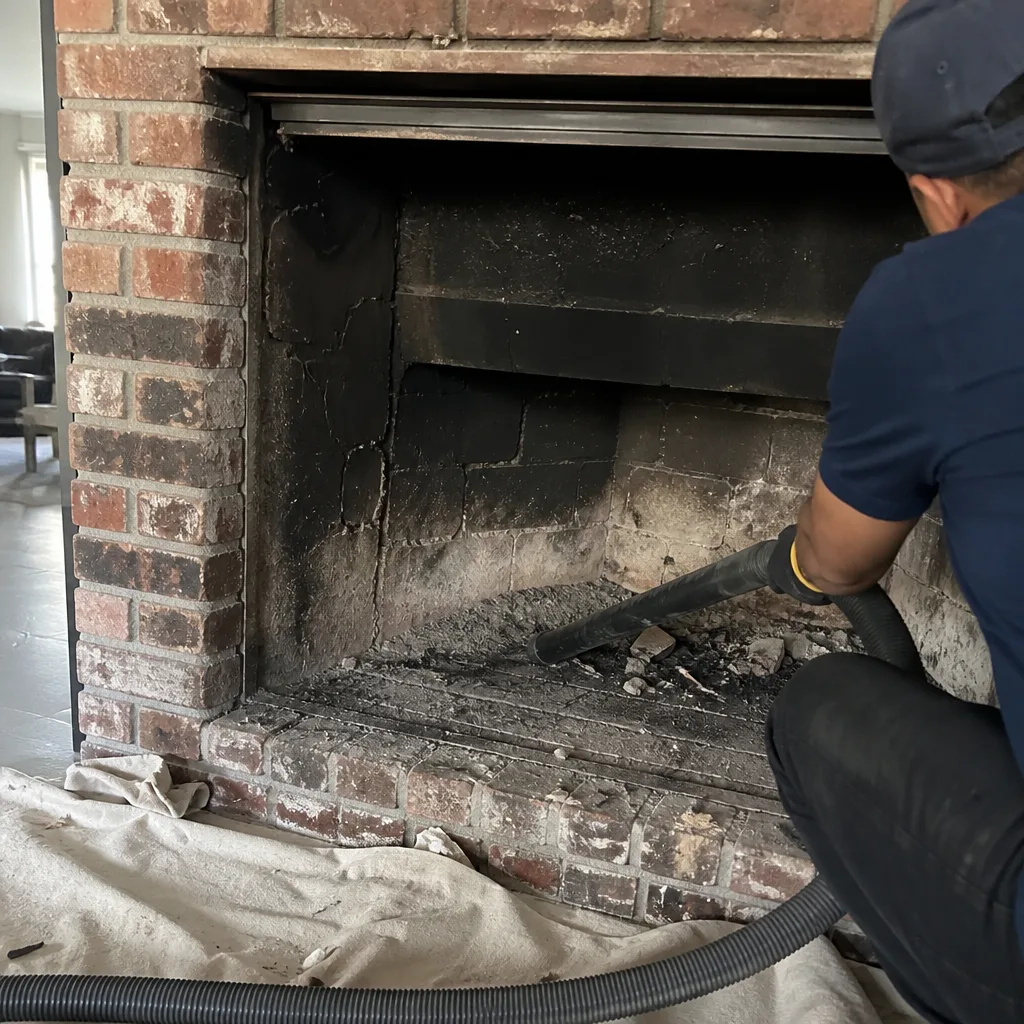
A proper sweep in Lake Forest starts with protecting the work area. We lay drop cloths, we isolate the firebox opening, and we run HEPA filtration during the entire cleaning so the fine soot doesn’t circulate through your home. The brushing itself is methodical: the correct size and type of brush for the flue, run through the full height with controlled pressure. The smoke chamber gets brushed from below with specialized tools because this is where the turbulent deposits accumulate.
After the brushing, the inspection happens. Mirrors and lighting go up the flue. Where the visual inspection suggests a concern, camera equipment documents it. We look for cracks, gaps, water stains, liner deterioration, and creosote staging. We check the cap, the crown, and the flashing from the roof where safe access is possible. We check the damper operation and the firebox panels.
Then we tell you what we found. Nothing gets recommended unless there’s evidence you can see for yourself, which is why photo documentation matters. If there’s a cracked flue tile, you’ll see it in the photo. If the refractory panels are failing, you’ll see the crack outlined. If the system is clean and sound, you’ll know that too, with a written record to prove it.
This is the full-service loop that a brush kit can’t replicate. A sweep that uncovers a problem should not leave you with a phone number for another company. We handle chimney repair from minor mortar work to full relining, and we use professional-grade materials like HeatShield for resurfacing deteriorating flue tiles and DuraFlex liners for relining. Gelco products cover cap and chase work. These are what contractors use because they’re what the job requires.
We also handle dryer vent cleaning as a core service, not an add-on. Your dryer vent is a fire hazard waiting to happen if it hasn’t been cleaned, and it’s a separate system with its own maintenance needs. We use proper Famco ventilation products, the same thing professional duct and vent contractors specify.
The Chimney Sweep Lake Forest service area covers the full city, and you can learn more about the neighborhoods we work in on our Lake Forest page.
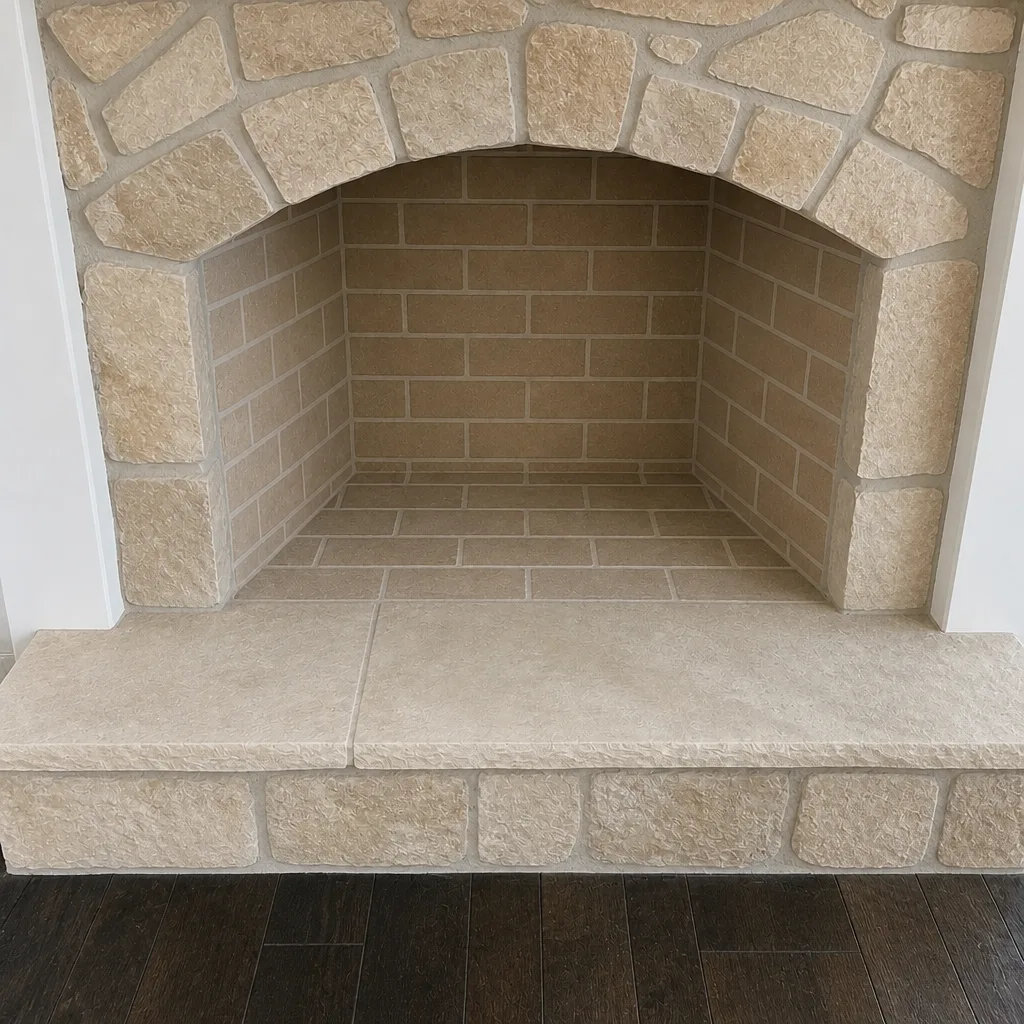
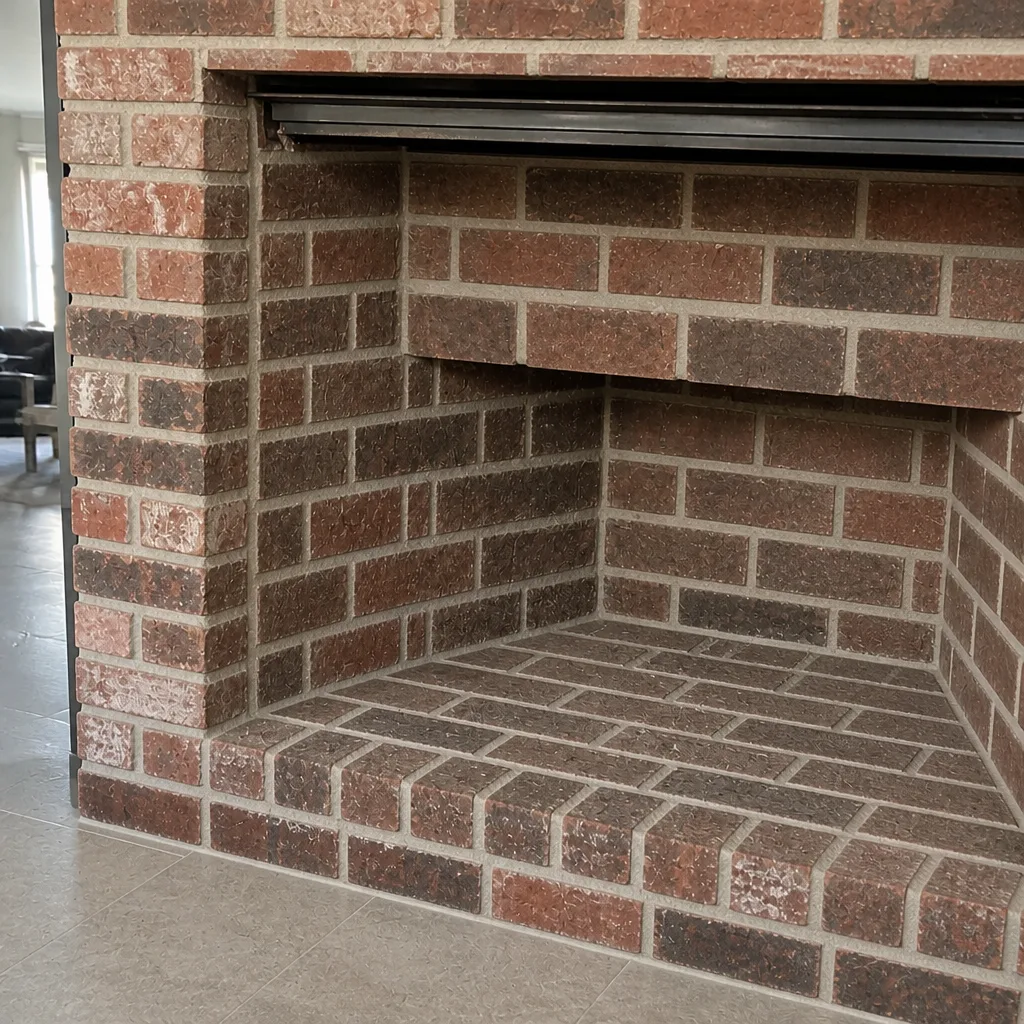
See the difference
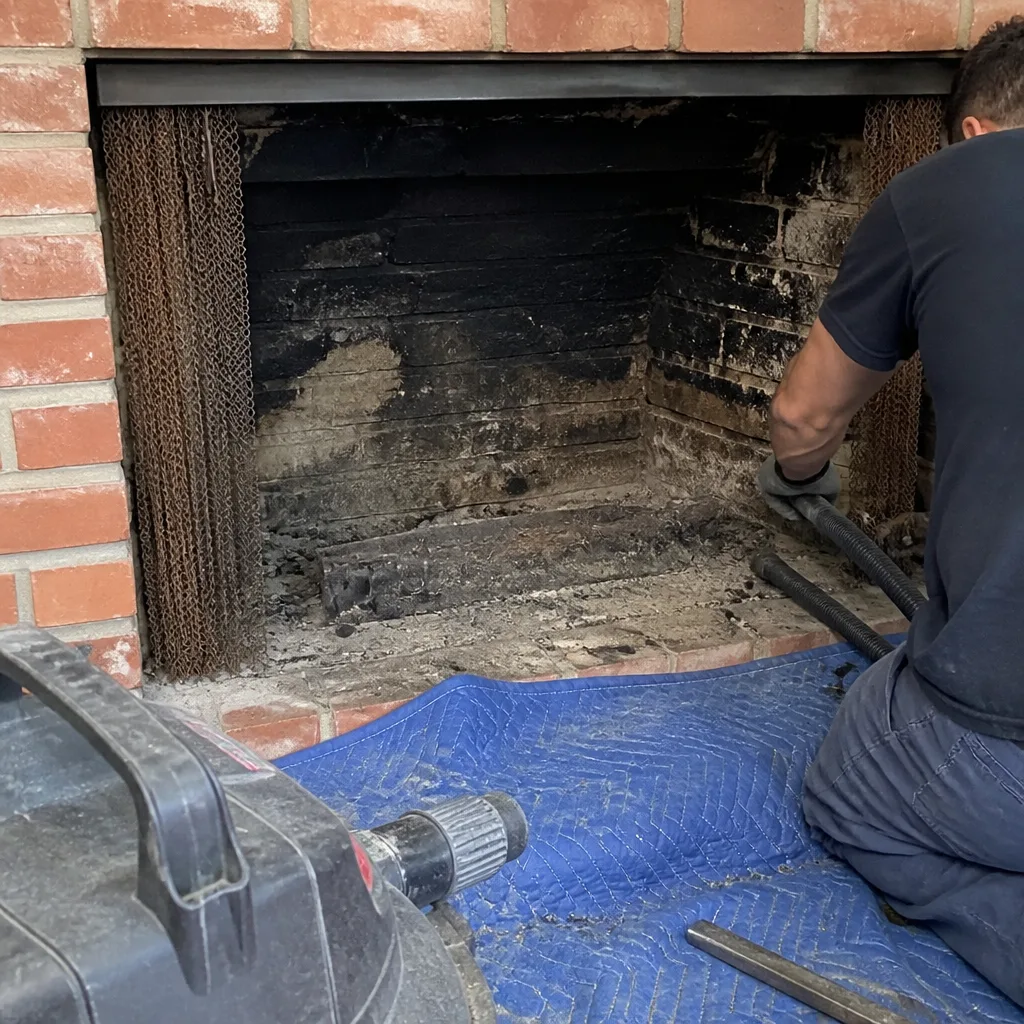 Before
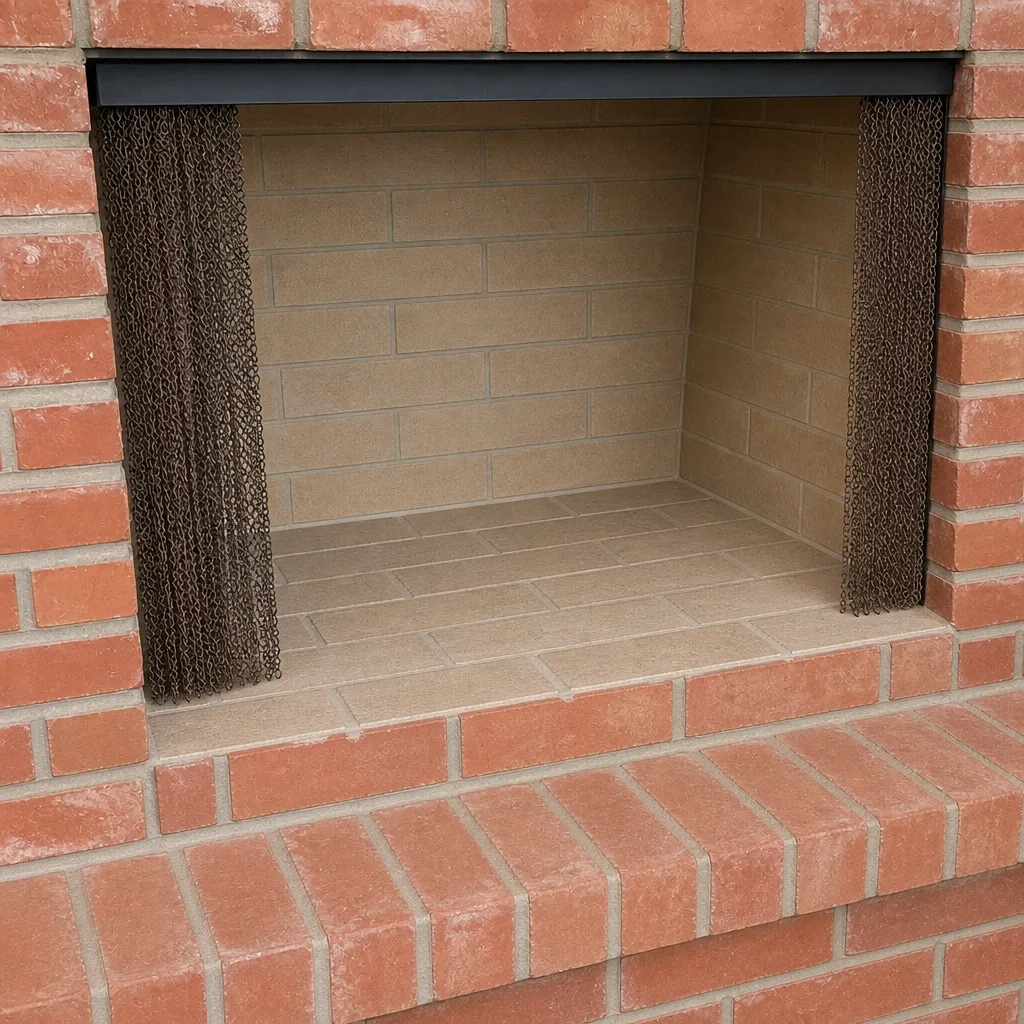 After
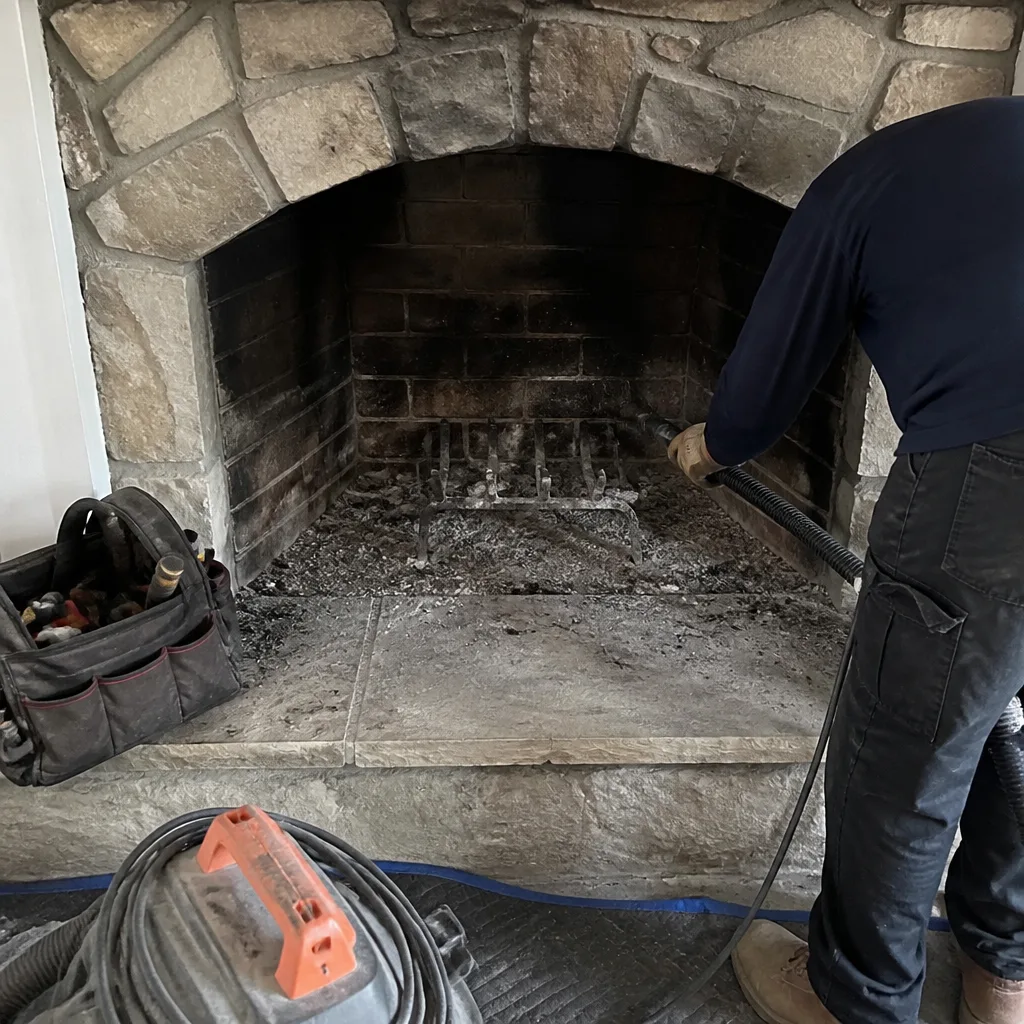 Before
 After
 Before
 After
Common Mistakes to Avoid
- Brushing without inspecting. This is the core mistake. The brush removes loose soot and does nothing else. A clean flue with a cracked tile is still a hazard. The inspection is the service, the brushing is just preparation.
- Using the wrong brush for the flue type. Metal flues and masonry flues require different brushes. A wire brush on a stainless steel liner will scratch it badly, and a poly brush on heavy creosote will just spin. Get the compatibility wrong and you’ve spent money to damage your system.
- Cleaning from the roof without fall protection. Lake Forest roofs vary in pitch, and any roof work carries risk. If you’re not comfortable on a sloped surface, you’re not being frugal by going up there, you’re creating a hospital visit.
- Skipping the HEPA vacuum and using a shop vac instead. Soot is not regular dust. A standard vacuum will aerosolize it and coat your living room with fine black particulate that’s hard to clean and unpleasant to breathe. The vacuum is not optional.
- Assuming a gas fireplace never needs cleaning. Gas logs still produce residue, the venting still needs inspection, and the connections deserve a look by someone who knows what a proper burn looks like. Gas systems get ignored because they’re clean-burning, but ignored venting causes different problems.
- Waiting until fall to think about it. In Lake Forest, fireplace use is seasonal, and the seasonal demand means fall appointments fill quickly. A sweep in late summer gets you ahead of the rush. Booking early is the single easiest way to avoid the scramble.
When to Call a Professional
Call a professional if you’ve never had this fireplace inspected, if you’ve had it cleaned but never had the flue looked at with mirrors or a camera, if you smell smoke when the fireplace is cold, or if you’ve just moved into a Lake Forest home with an unknown maintenance history. Call a professional if the creosote feels sticky or glazed, if you have a prefab fireplace you’re unsure about, or if you’d rather have a documented record of the system’s condition for insurance purposes. Chimney Sweep Lake Forest offers free estimates in Lake Forest. Call (833) 589-9146. We answer 24/7. Fast dispatch from 7am to 7pm, Sunday through Friday.
Frequently Asked Questions
You can remove loose Stage 1 creosote with a brush kit, but you cannot inspect the flue, smoke chamber, or liner condition properly, which is the part that actually keeps your home safe. A brush kit cleaning without an inspection gives you a clean-looking flue and zero information about whether the system is sound. If you’re going to do light maintenance yourself, you should still have a professional inspection every few years. Call (833) 589-9146 to book one and get exact pricing.
Pricing is set per job by the written estimate because every system is different: two-story versus single-story, masonry versus prefab, light soot versus Stage 3 glazing all affect the work. The estimate is free and there’s no dispatch fee. Call (833) 589-9146 for an exact quote on your specific fireplace.
Yes, and the frequency matters less than the condition. A fireplace used a dozen times a season still produces creosote, and a fireplace used rarely still has animals, debris, and water working on it the rest of the year. In Lake Forest, the rainy season and the nesting season both affect chimneys that sit idle for months at a time. An annual sweep and inspection is the appropriate rhythm for most systems.
Creosote accumulates in stages, moving from flaky soot to sticky glaze to hardened deposits, and each stage raises the chance of a chimney fire. Meanwhile, minor damage like a small crack or a loose cap gets worse with every rain and every heat cycle. The most expensive repairs we see are on chimneys that went uninspected for a decade or more. A sweep now is cheaper than a reline later. Call (833) 589-9146 for a free estimate.
No. Gas fireplaces produce different residue and have venting, connections, and log sets that need a trained eye. The cleaning needs are lighter, but the inspection is just as important, and a gas system that vents improperly can put carbon monoxide into the house. Gas fireplaces are not maintenance-free just because they burn clean.
The inspection. A professional sweep in Lake Forest includes a documented assessment of the flue, smoke chamber, firebox, damper, cap, and crown, with photo evidence where concerns exist. That record is what an insurance adjuster wants to see after an incident, and it’s what tells you whether the system is safe to use. The brushing is the part you can buy at a hardware store. The judgment is the part you can’t.
The Bottom Line
The honest answer to the DIY versus professional question is that both have a place, but only one of them comes with proof. A careful homeowner can check the firebox, the damper, and the cap from the ground, and that’s genuinely valuable. A brush kit can remove light soot. Neither one can tell you what’s happening inside the flue, in the smoke chamber, or behind the refractory panels of a prefab system. In a city where most homes are now decades old, that information is the whole point of the exercise. You wouldn’t skip the cardiologist because you own a stethoscope. The chimney is the same logic.
Written by the team at Chimney Sweep Lake Forest, serving Lake Forest since 2015.